Oslo (3 days)
A city beginning
Waterfront meals, warm coffee, peaceful streets, and play breaks built right into our first days.
A family travel journal
More places will light up as new stories are ready to share.
Europe · Norway · April 2026
The route
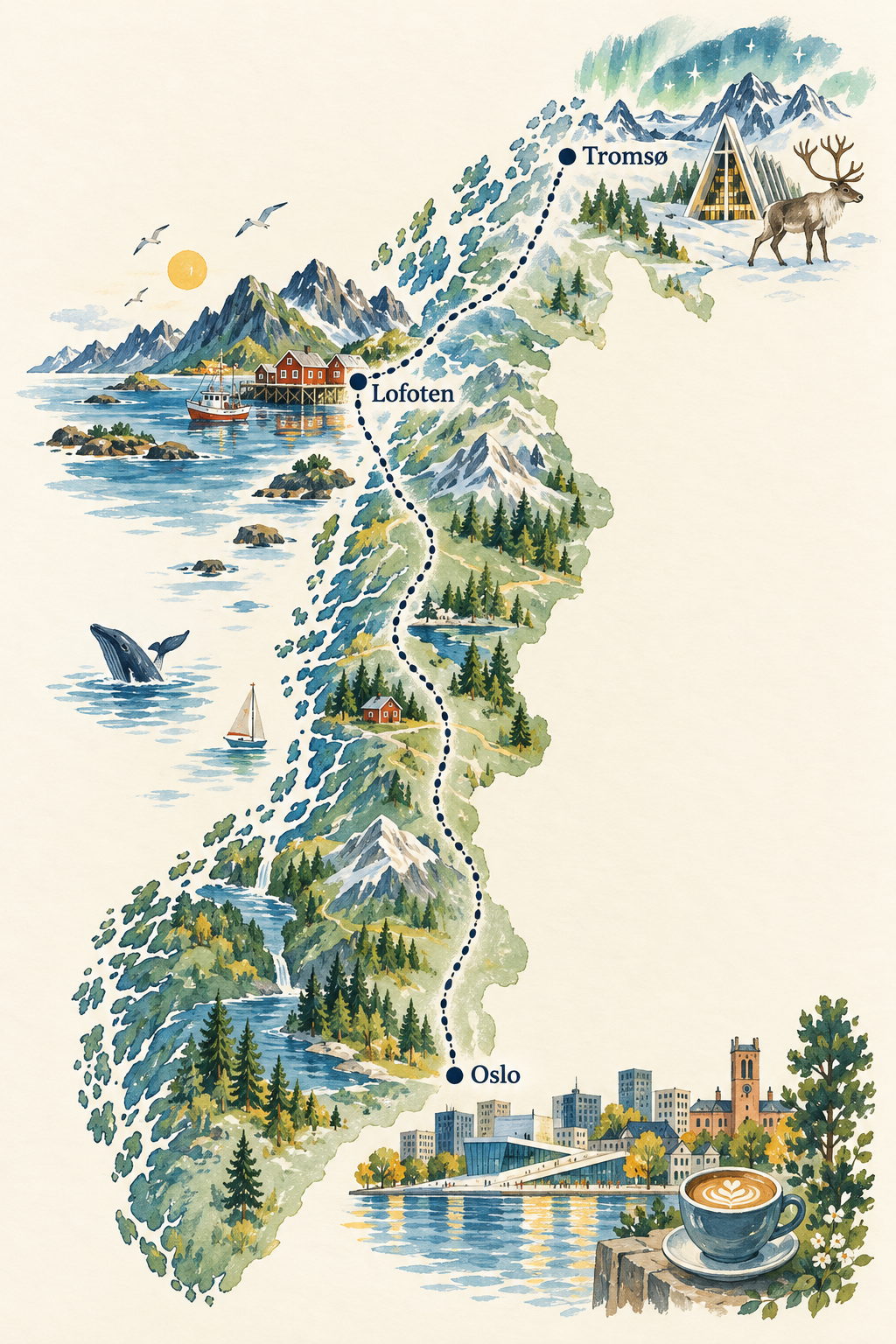
A city beginning
Waterfront meals, warm coffee, peaceful streets, and play breaks built right into our first days.
An Arctic interlude
Dinner cruise, northern light, reindeer ride, and a perfect switch of scenery into the arctic.
The iconic scenery road trip
Red cabins, fishing villages, beaches, and tons of amazing views along the driving path.
Our Norway trip
We planned this trip for two little ones as much as for ourselves. Our approach was simple: one anchor experience a day, practical stops that made family travel easier, and room for a warm drink, a slower lunch, or an unexpected view. Norway rewarded that slower pace at every turn.
We flew from the West Coast of the United States to Copenhagen (CPH), a roughly 10-hour-and-15-minute flight, then had a short layover before continuing to Oslo (OSL), another hour or so in the air. With two little ones, we treated that first Oslo afternoon as a soft landing rather than a sightseeing contest: pick up the car, unpack, buy water and easy snacks at REMA 1000, and take a quiet walk to reset our clocks.
Our base was Numa Oslo Topp, an XL two-bedroom apartment on Skovveien with a crib arranged before arrival. At roughly 700–800 square feet, it felt wonderfully spacious—more like a real apartment than a hotel room—and that extra living space was a huge advantage once the children were asleep. The digital check-in made arrival easy, and its Frogner location felt pleasantly residential while still being convenient for reaching the center.
Norway’s environmental focus means an electric rental is a very likely outcome. It was our first time driving one, so I was a little nervous at first, but it became surprisingly manageable: parking garages and many lots have chargers, and the instructions were straightforward once we slowed down and followed the prompts. Do not shortcut the child-seat question, though. Proper car seats are required for children, and on Arctic roads—with ice still very possible—you want the real seat, not a wearable vest that leaves you second-guessing the decision.
One practical Oslo note: street parking is rarely free and often comes with time limits or local restrictions. Download the City of Oslo’s Bil i Oslo app, add your card, and select the parking zone from the map. We found it much easier than trying to decode every sign in the moment, but still made a habit of checking the posted rules before walking away.
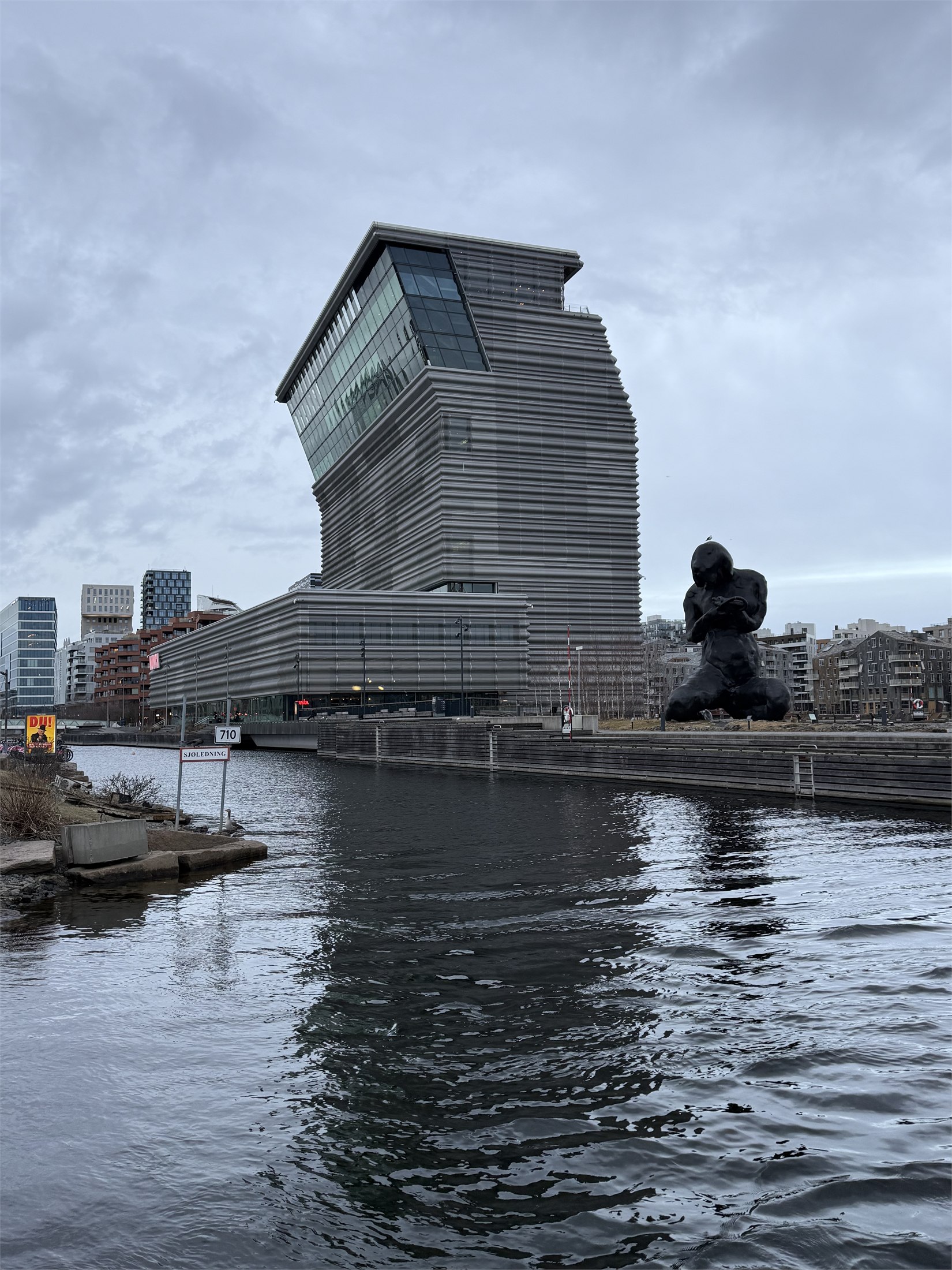
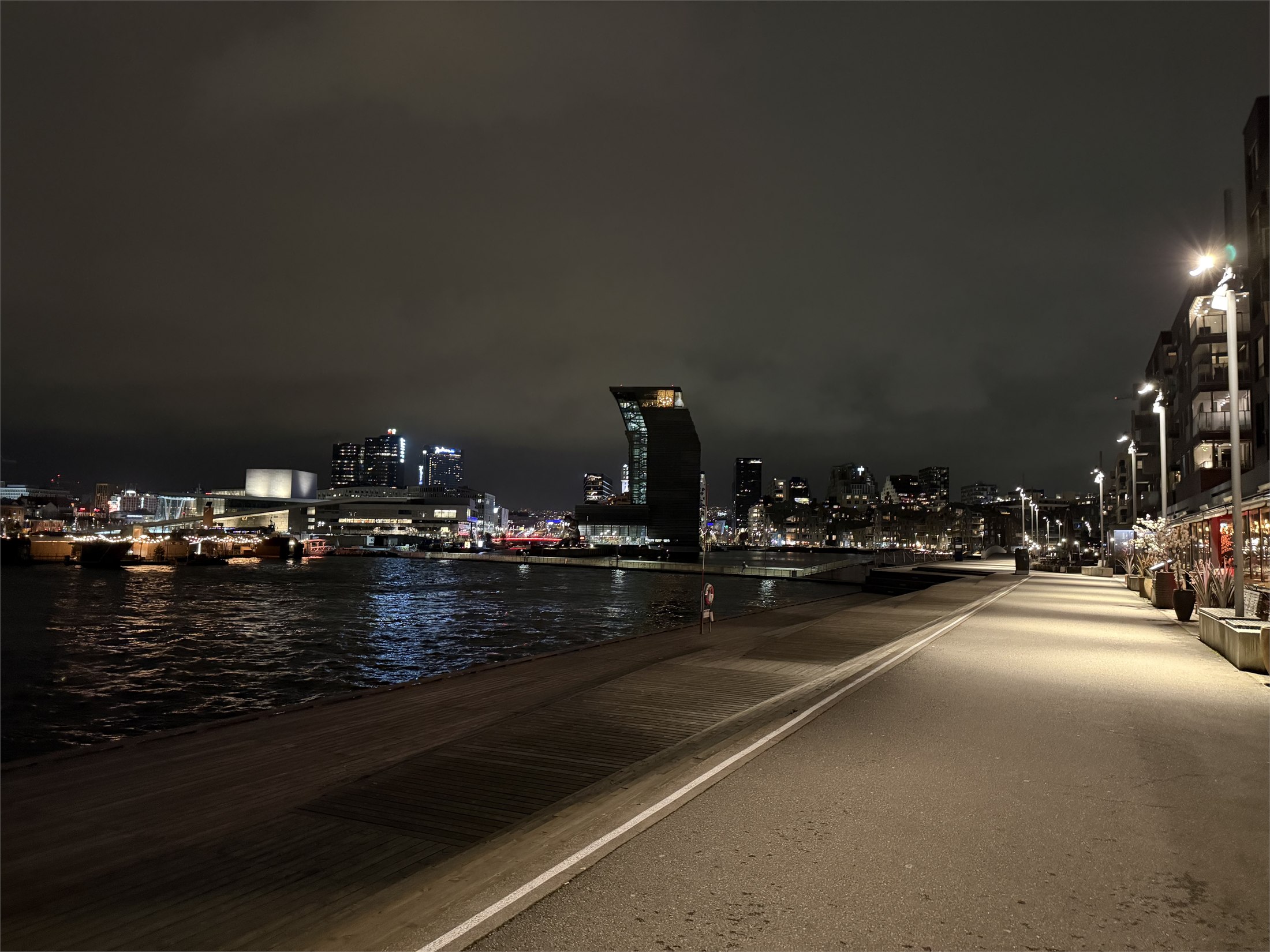
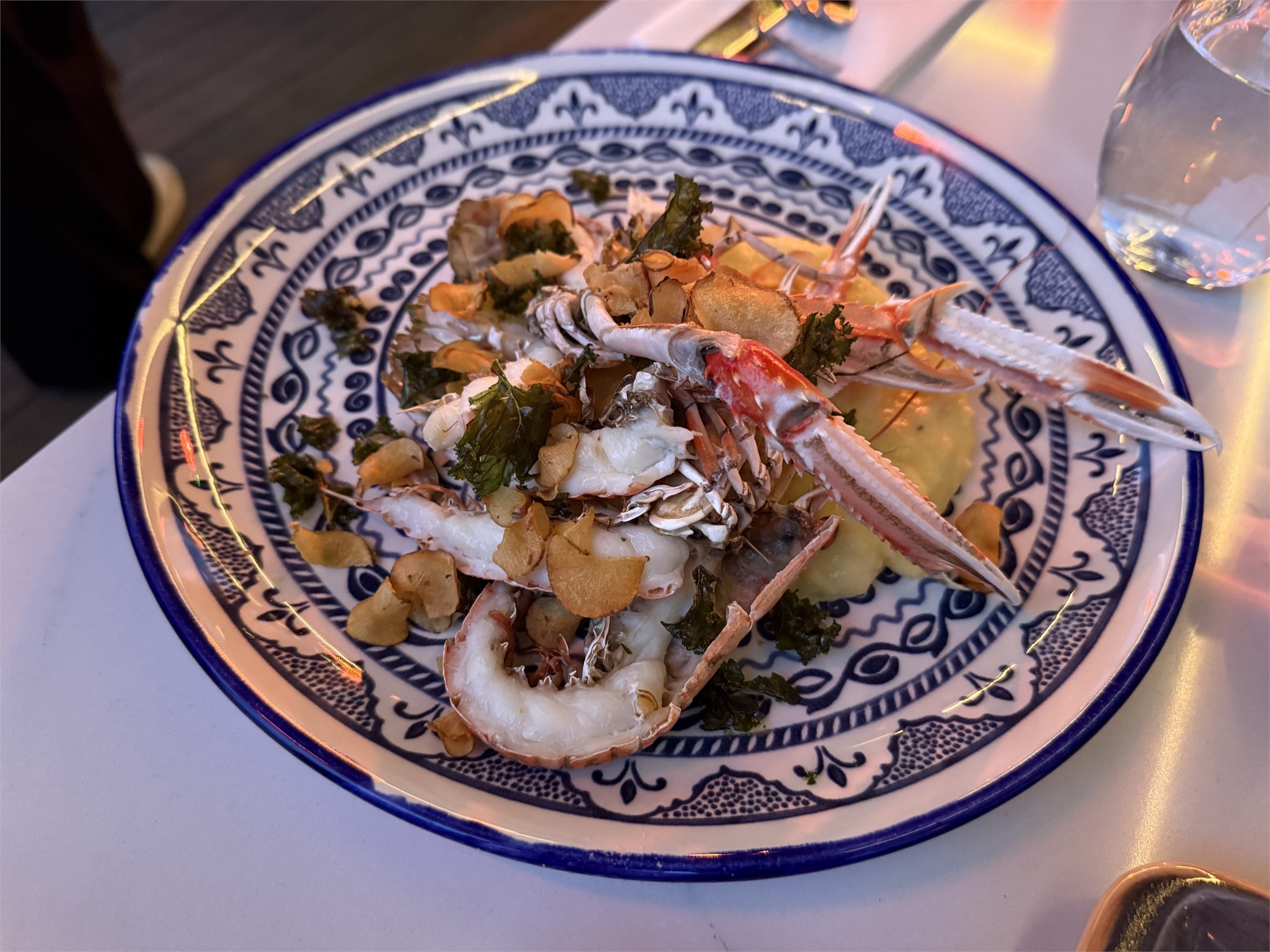
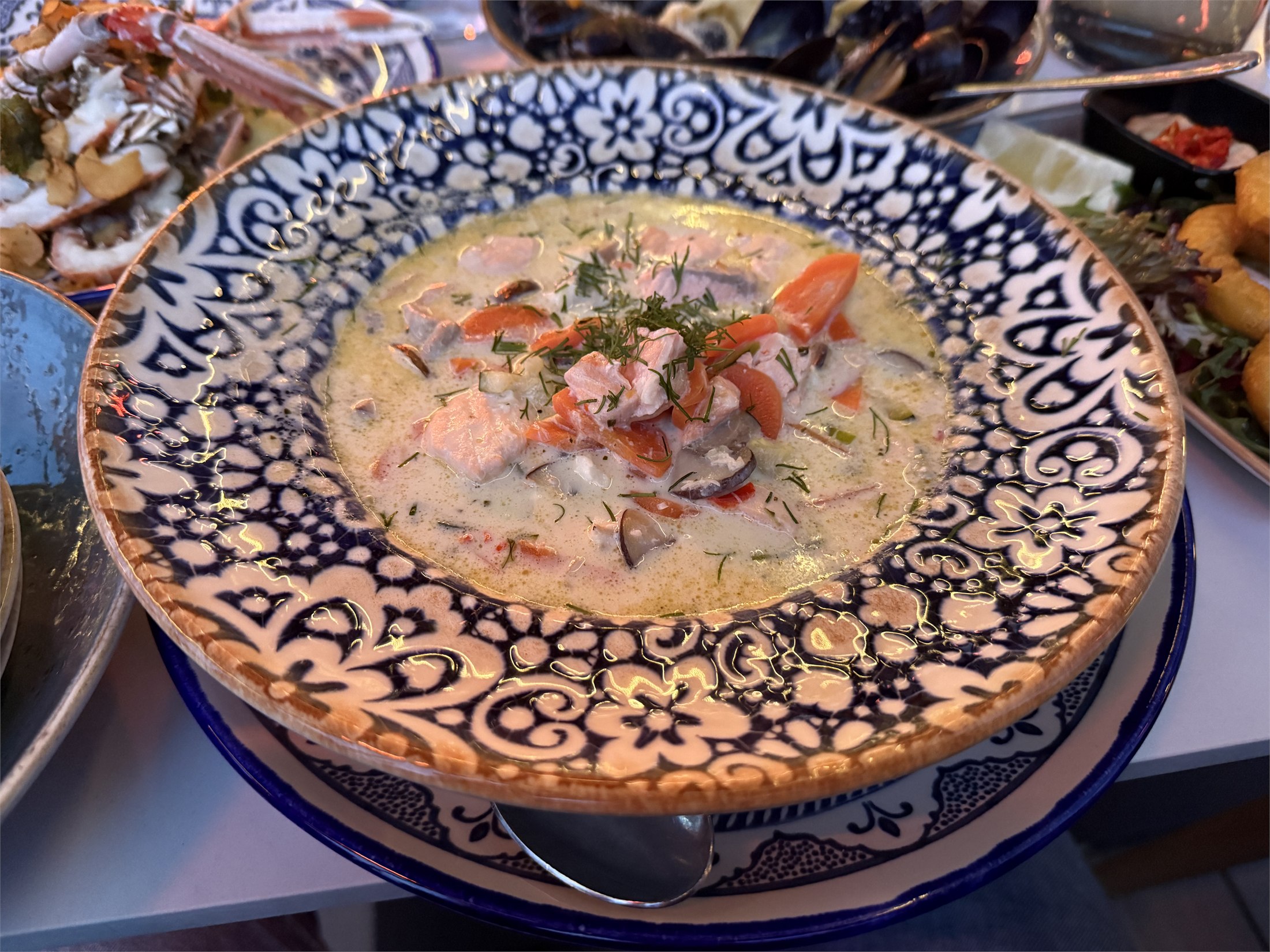
Our first dinner at Fiskeriet Bjørvika set exactly the tone we hoped for: a table near the water, seafood that felt like a proper arrival ritual, and the Opera House area glowing after dark. The waterfront gave both children room to move without committing to a huge sightseeing day. We also learned quickly that fish soup is a very big thing in Norway—and happily, it was every bit as delicious as it sounded: warming, creamy, and full of seafood.
Oslo Waterfront
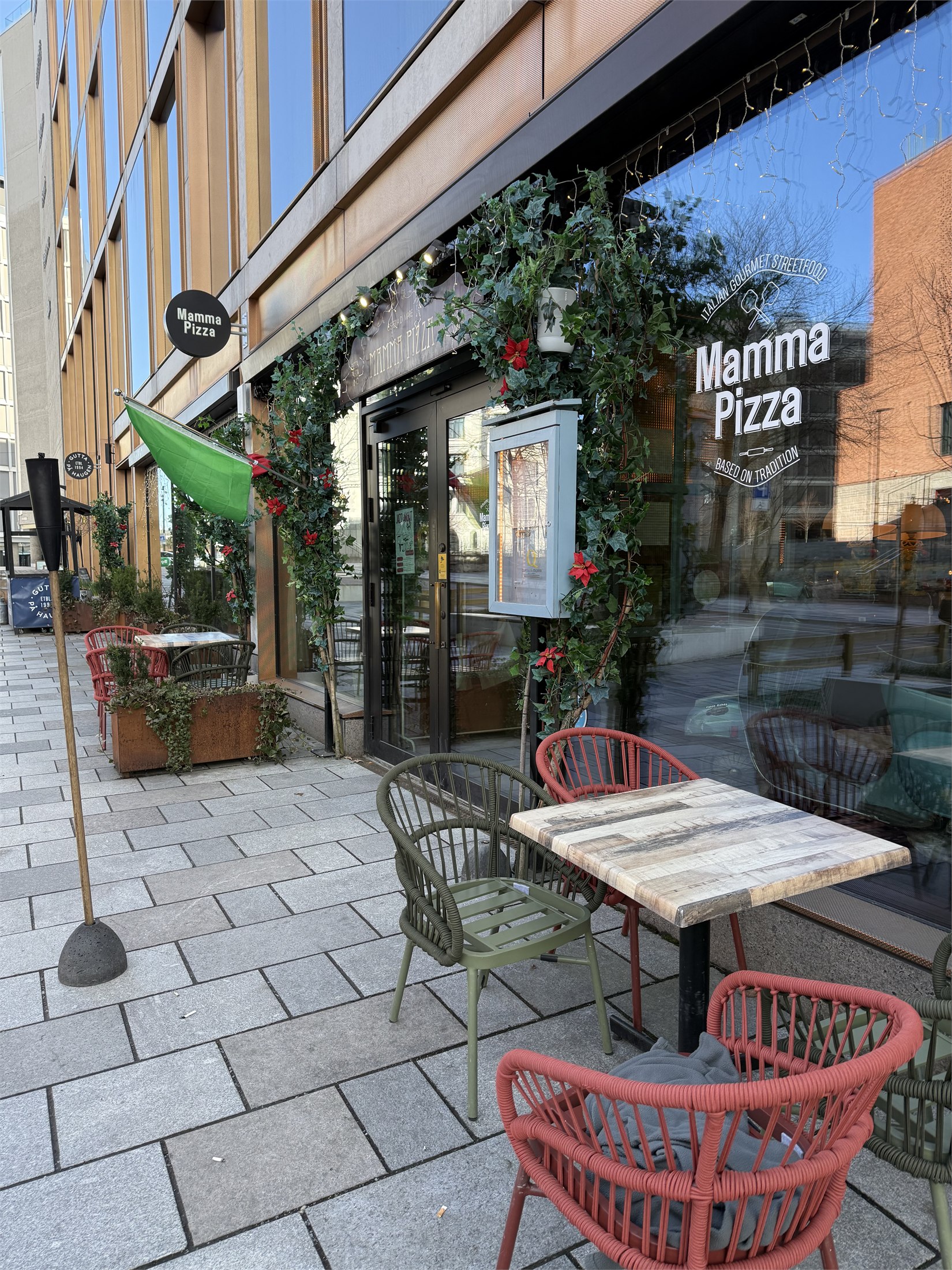
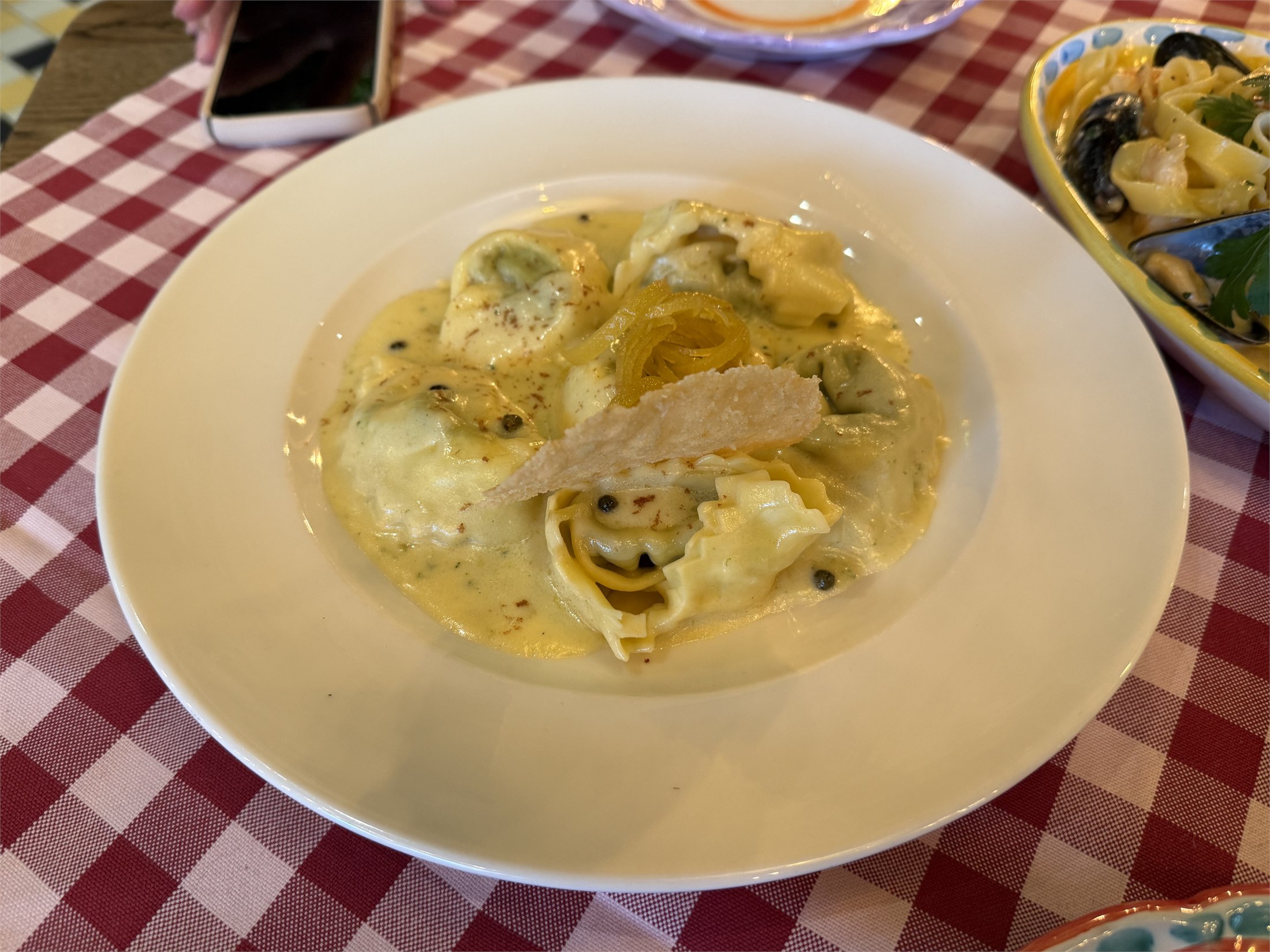
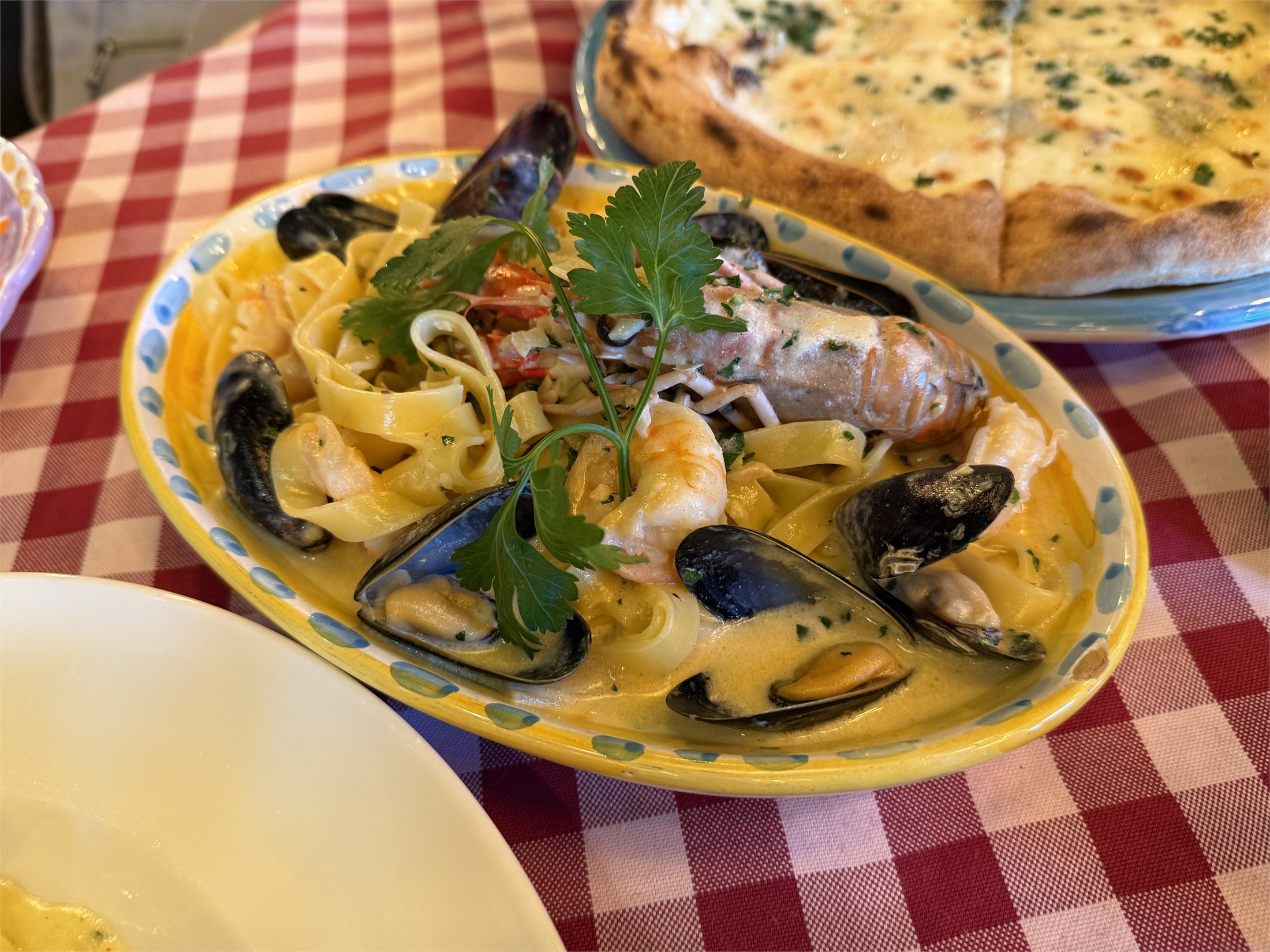
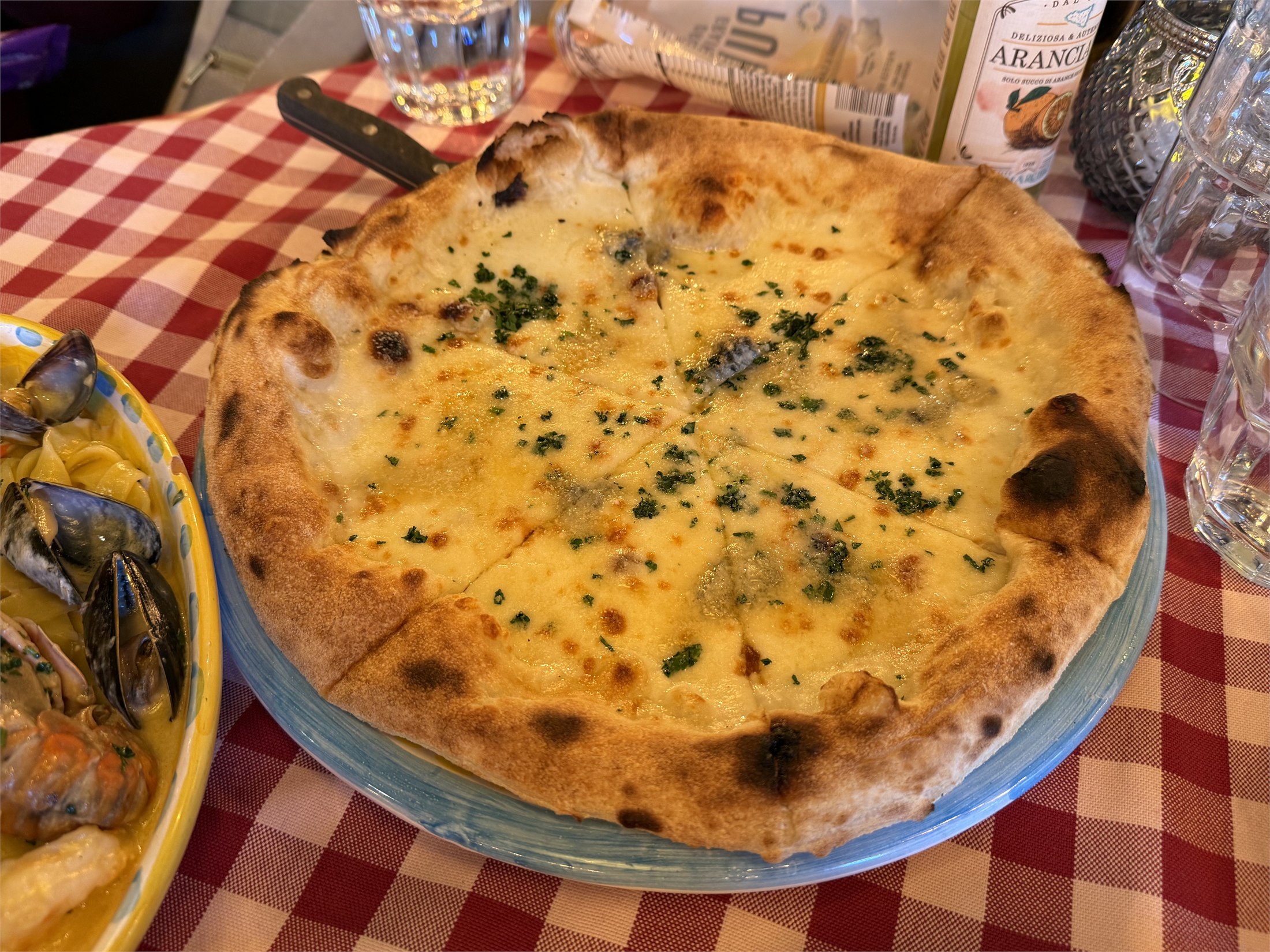
We lingered over lunch at Mamma Pizza Vika, followed by a gelato stop at Paradis Gelateria in Tjuvholmen. Both were easy choices with kids: relaxed, cheerful, and close to a waterfront stroll when nobody felt ready to sit still any longer.
Mamma Pizza Vika
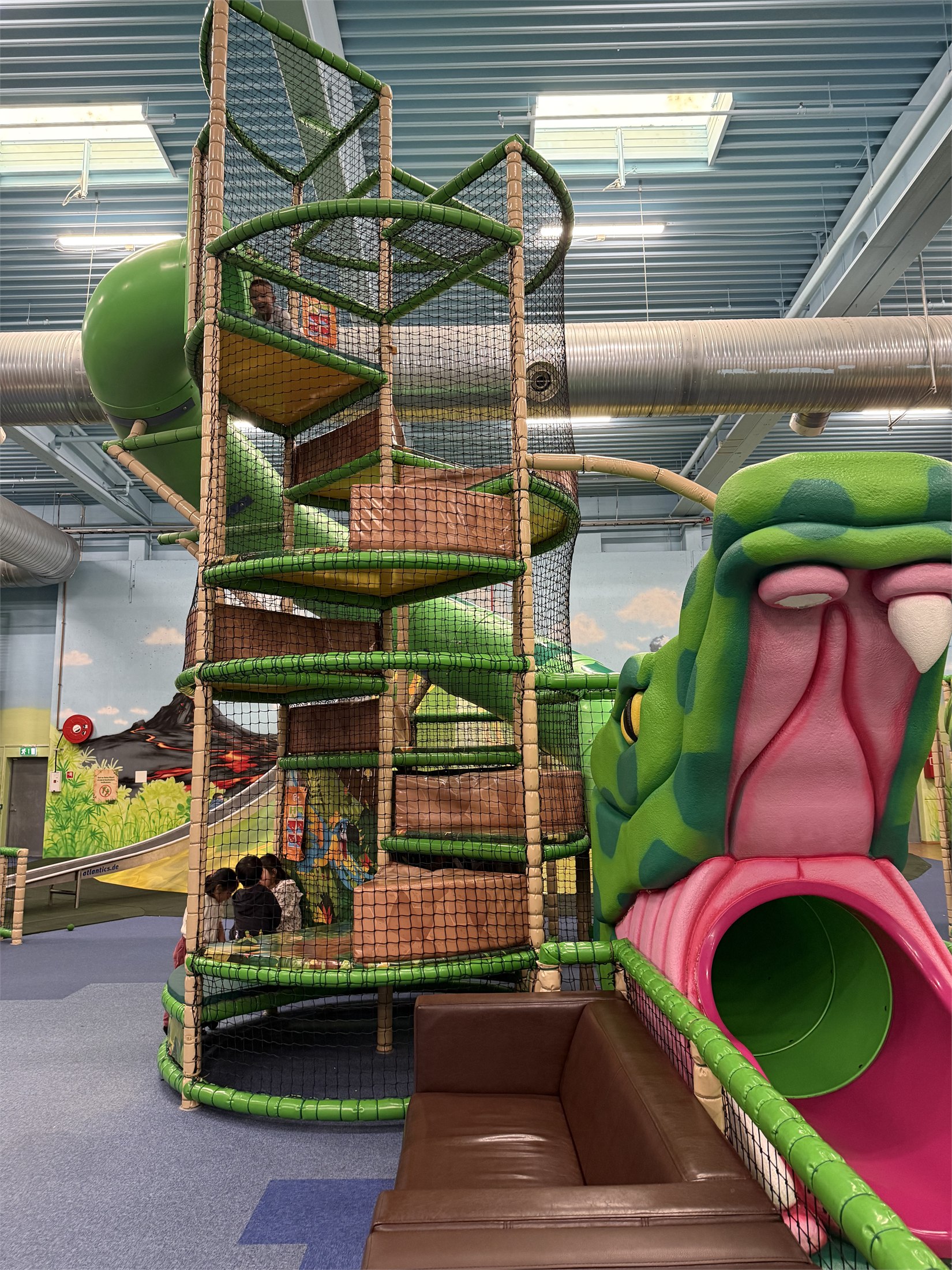
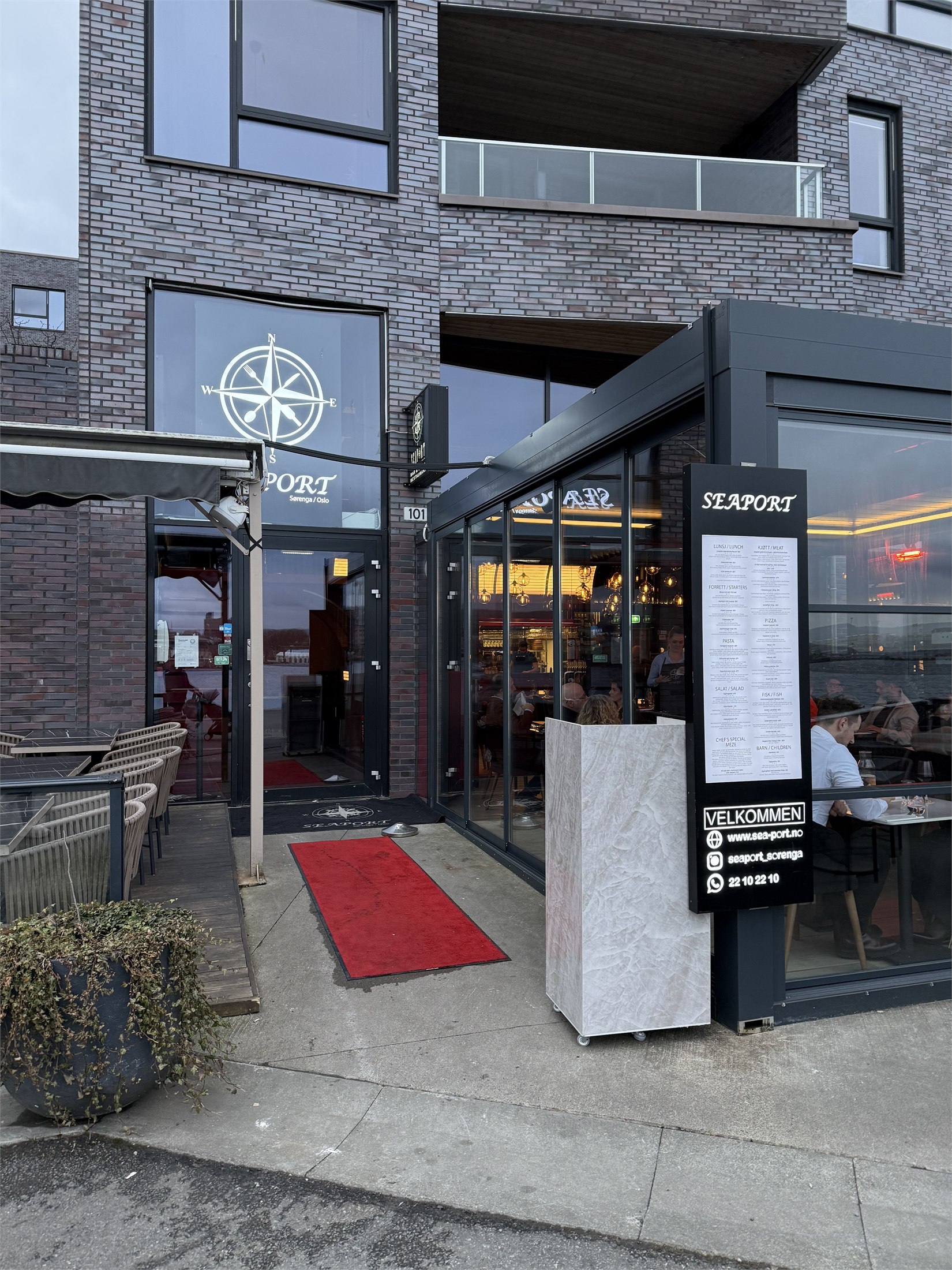
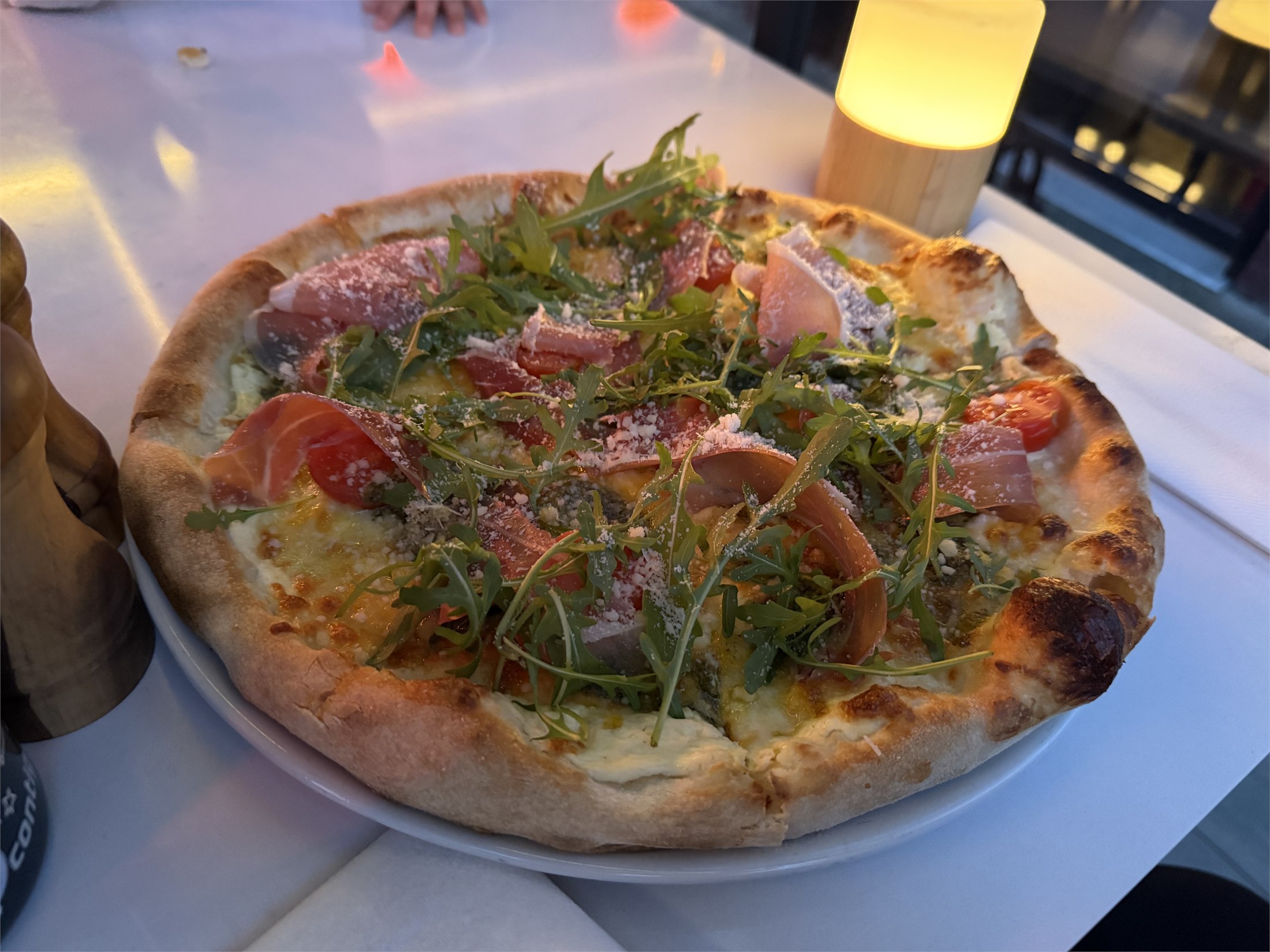
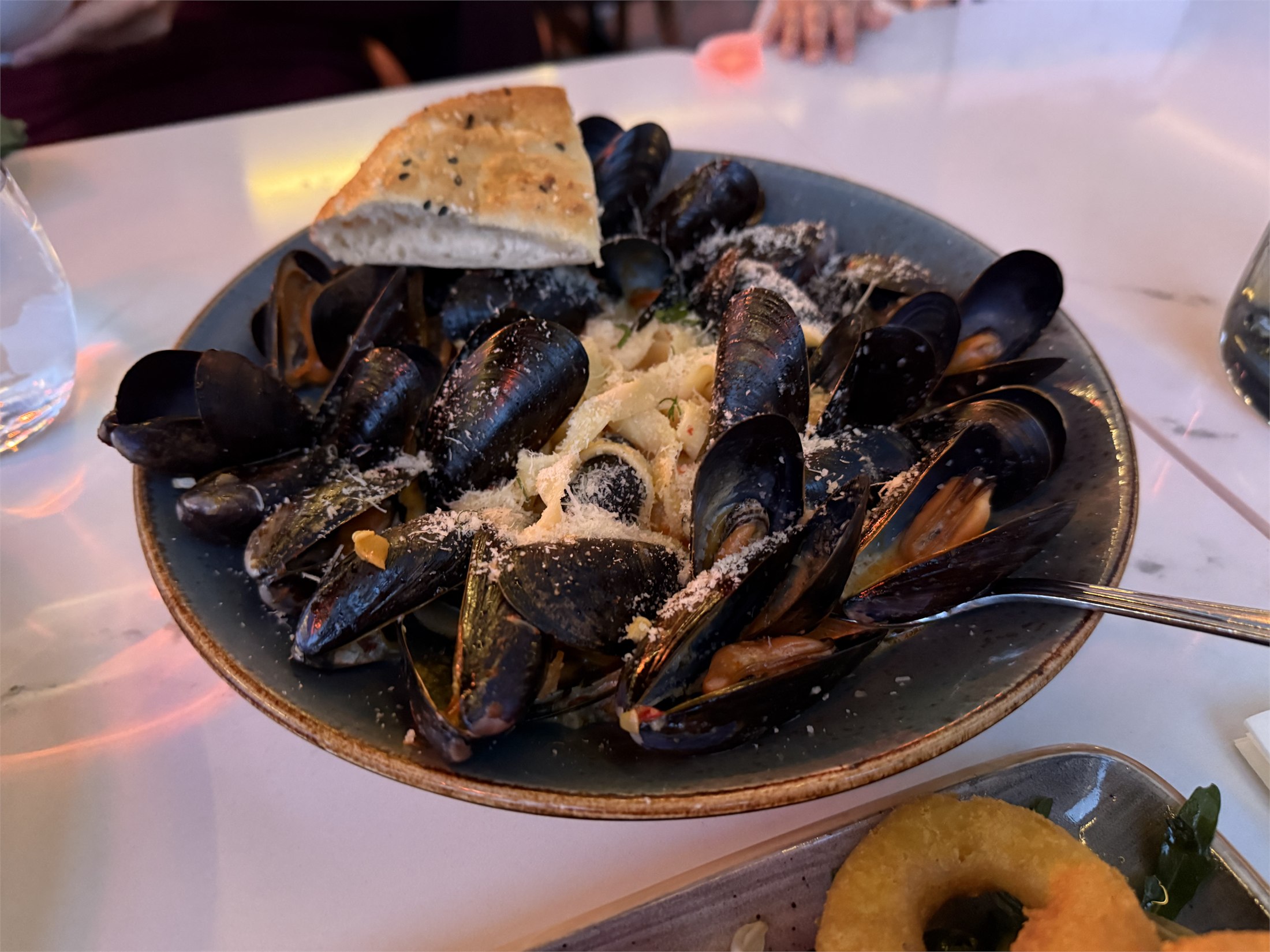
The genuine star was Leo’s Lekeland. The slides and climbing structures gave both little ones a chance to empty out the stored-up airplane energy, and it gave us adults a rare chance to sit down and laugh at the enthusiastic laps around the play area. We followed it with dinner at Seaport Restaurant, a welcome food-forward ending by the water after a big play afternoon.
Leo’s Lekeland
Seaport Restaurant
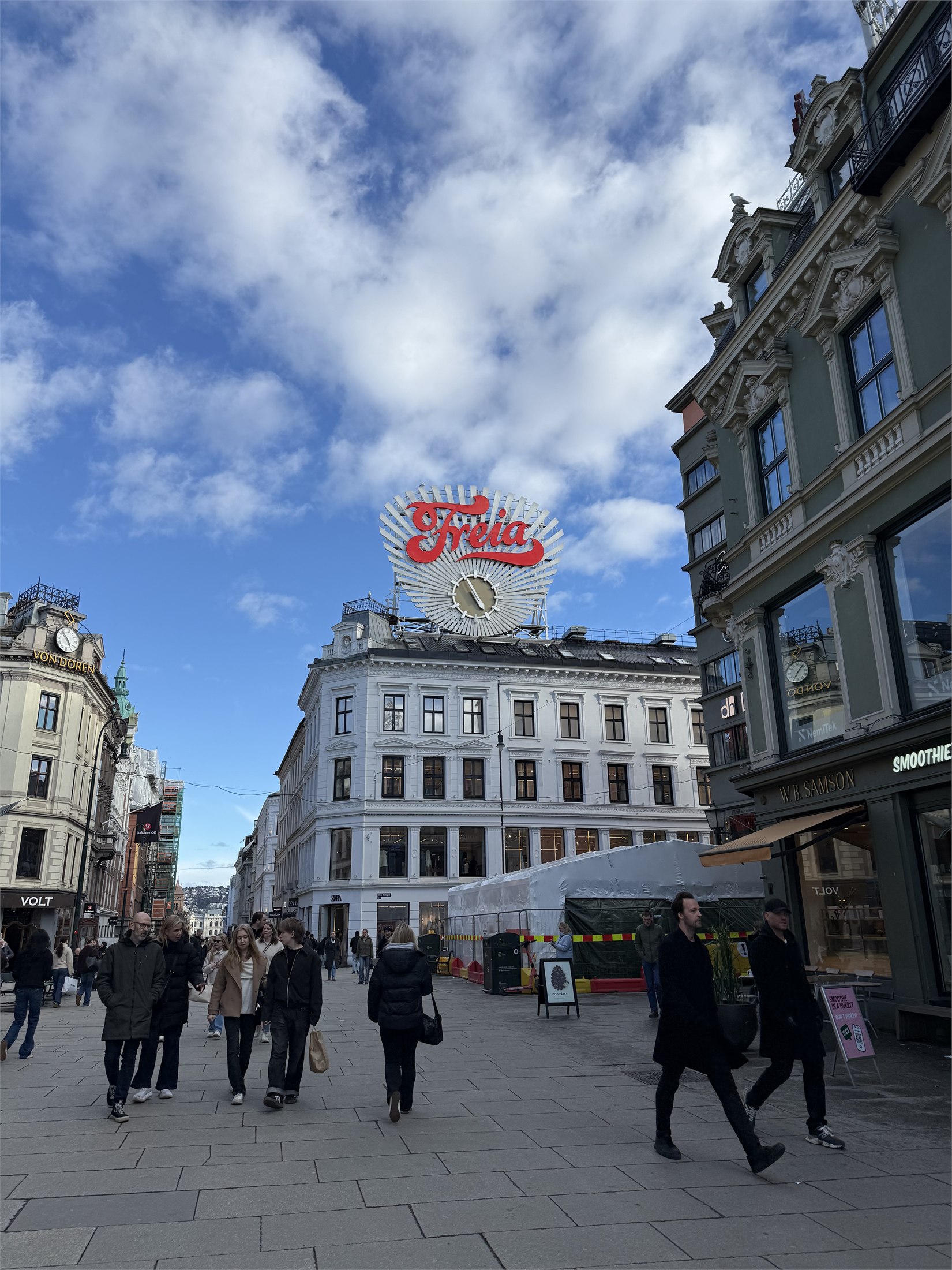
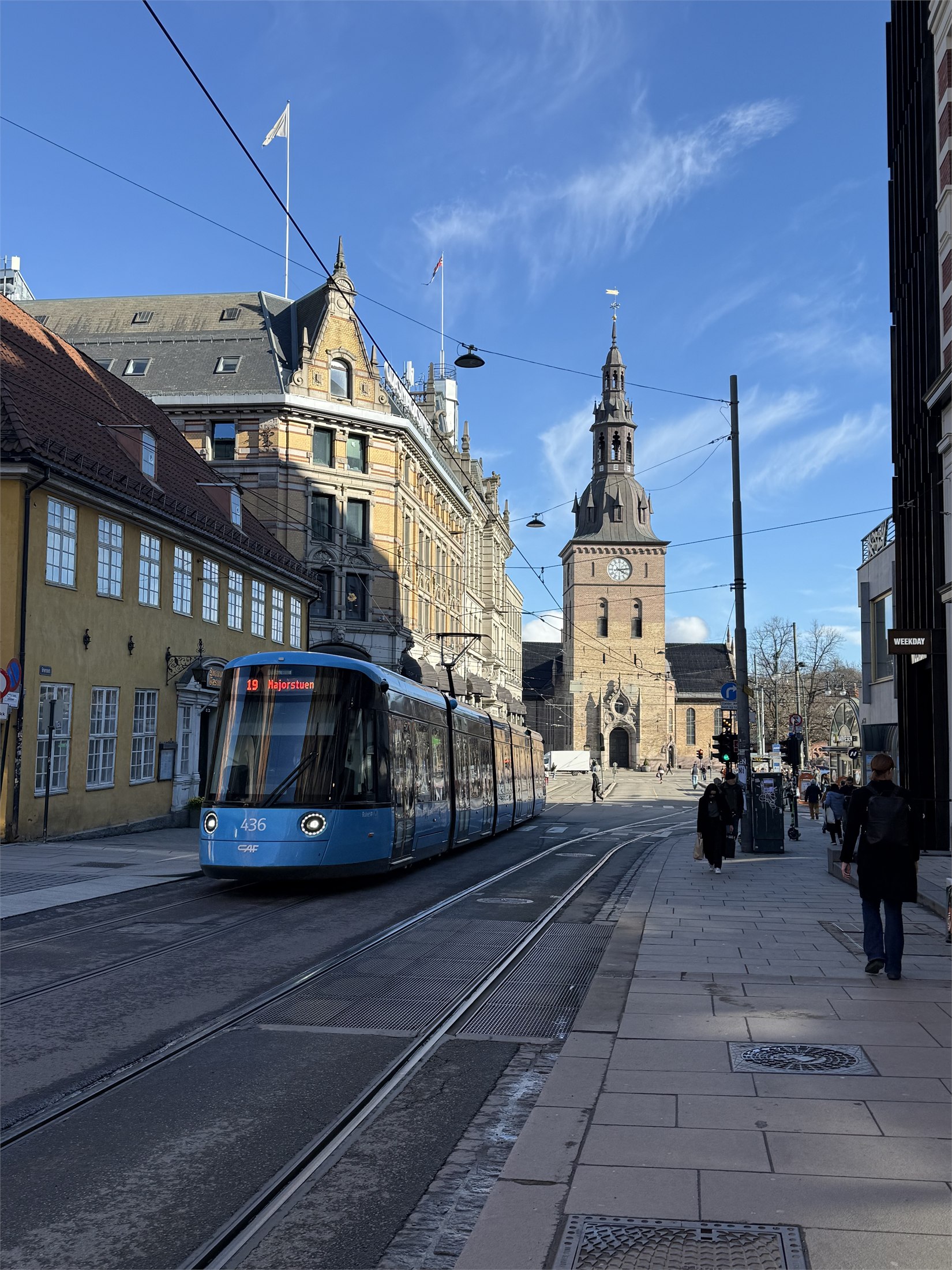
Our final Oslo day was a collection of smaller pleasures: coffee at Fuglen, a browse through ARK Egertorget, Dale of Norway and Holzweiler, plus a second indoor play session at Oslo Mikrolekeri. These were not dramatic itinerary headlines, but they made Oslo feel lived in rather than simply visited. We ended with dinner at Shanghai 2k18 and the quiet satisfaction of having adjusted to Norway on our own terms.
Oslo City Center
Recommendation: keep Oslo loose and slow. It is a perfect first stop to adjust time zones, especially when traveling together with little ones. Choose one waterfront meal, one coffee stop, one indoor activity, and a few neighborhoods you genuinely want to explore. The rest can happen naturally.
We flew from Oslo Gardermoen (OSL) to Tromsø Airport, Langnes (TOS) in just under two hours. The short domestic flight made this transition surprisingly easy: one moment we were in the capital, and soon after we were watching the mountains crowd around Tromsø. Tromsø was still icy in April, and if you are not comfortable driving in freezing conditions, the Airport Express is the easy choice—you can buy a round-trip ticket online and check the schedule before you land. We did not find traction spikes for our shoes necessary in April, but a wind blocker for the stroller was very much worth having. We checked into TotalApartments Vervet Gjøa, a large apartment by the harbor. For a family, this was a practical base—more space to settle, an easy walk toward the center, and waterfront views that made even the walk home feel special.
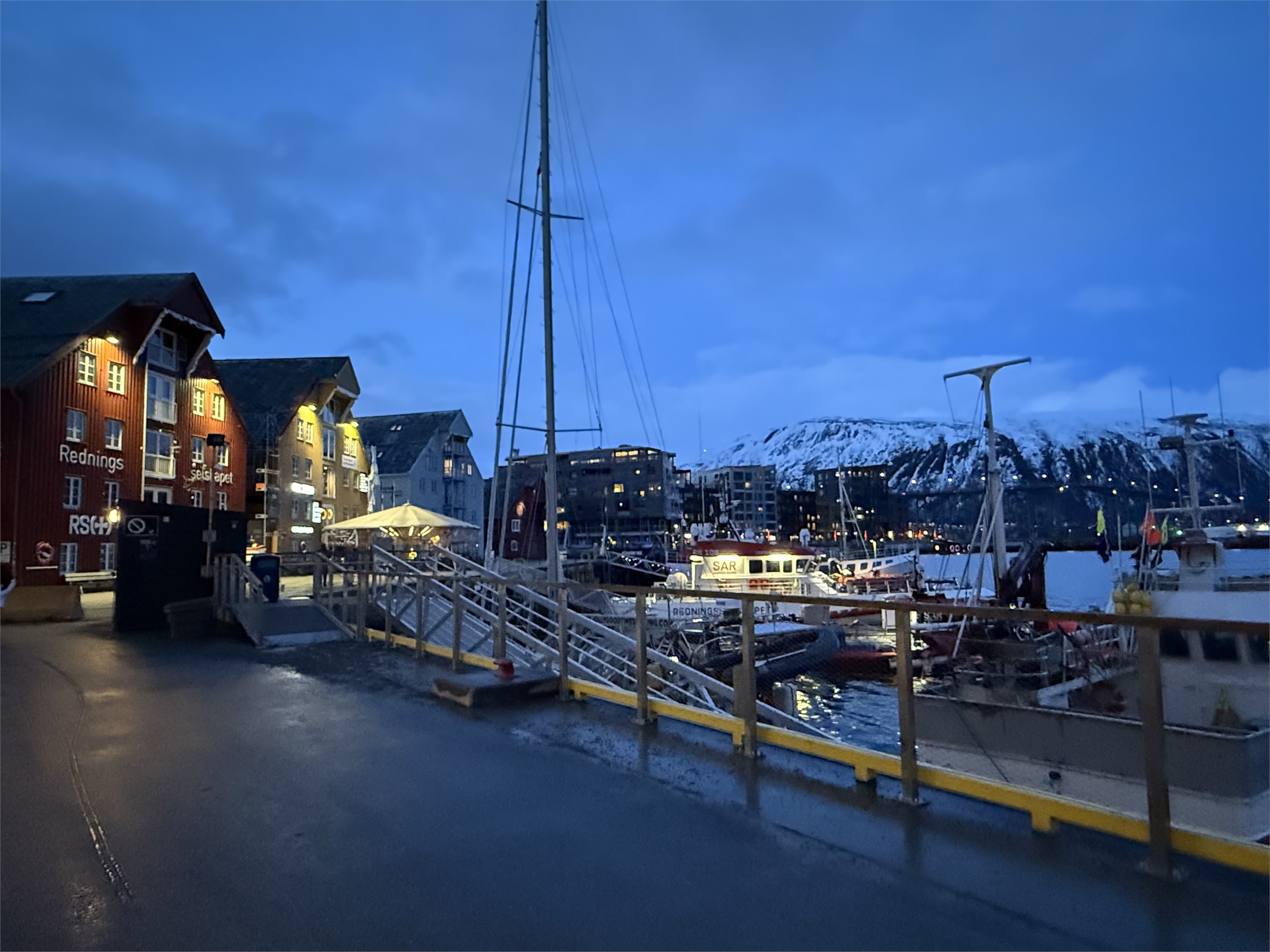
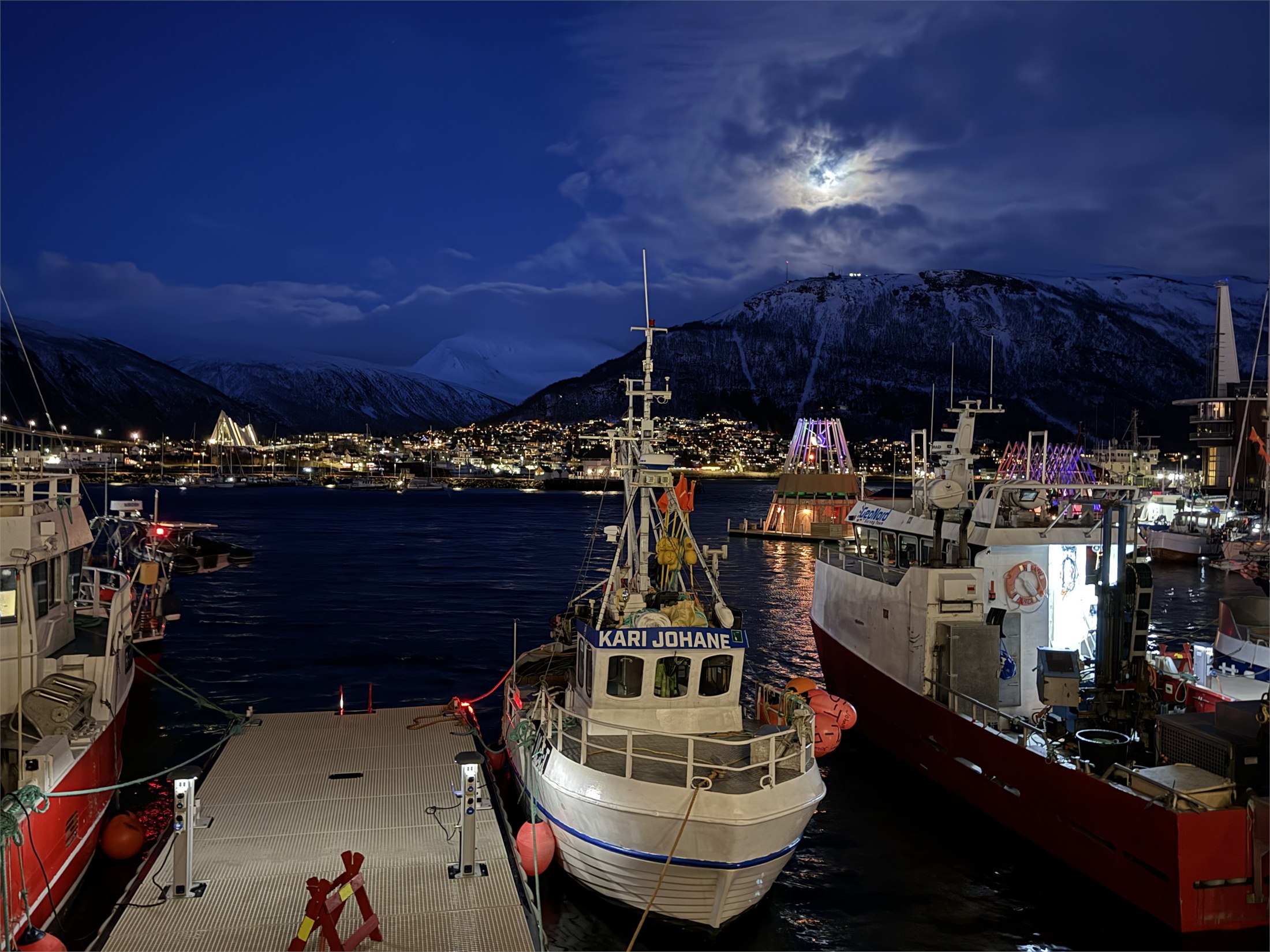
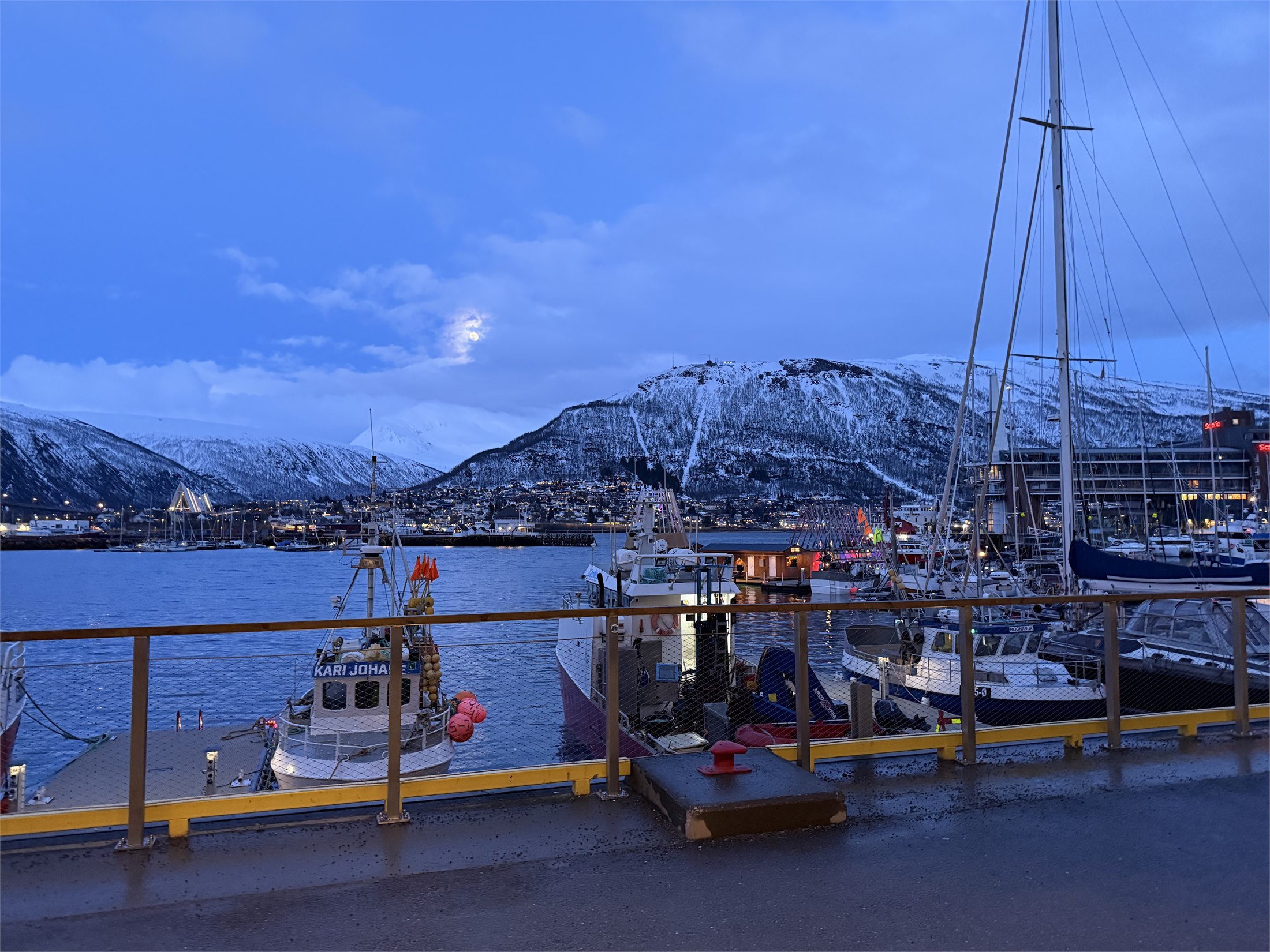
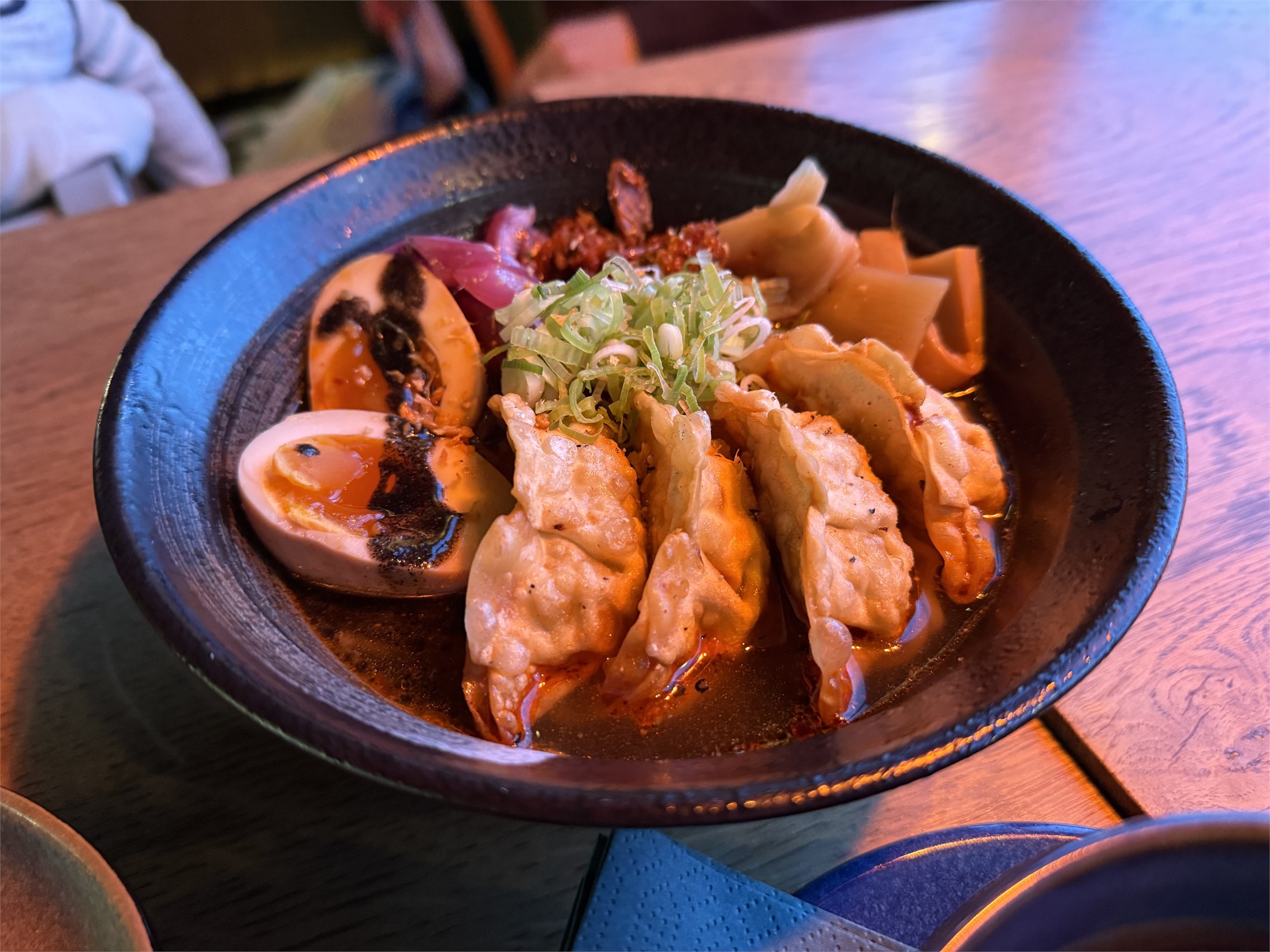
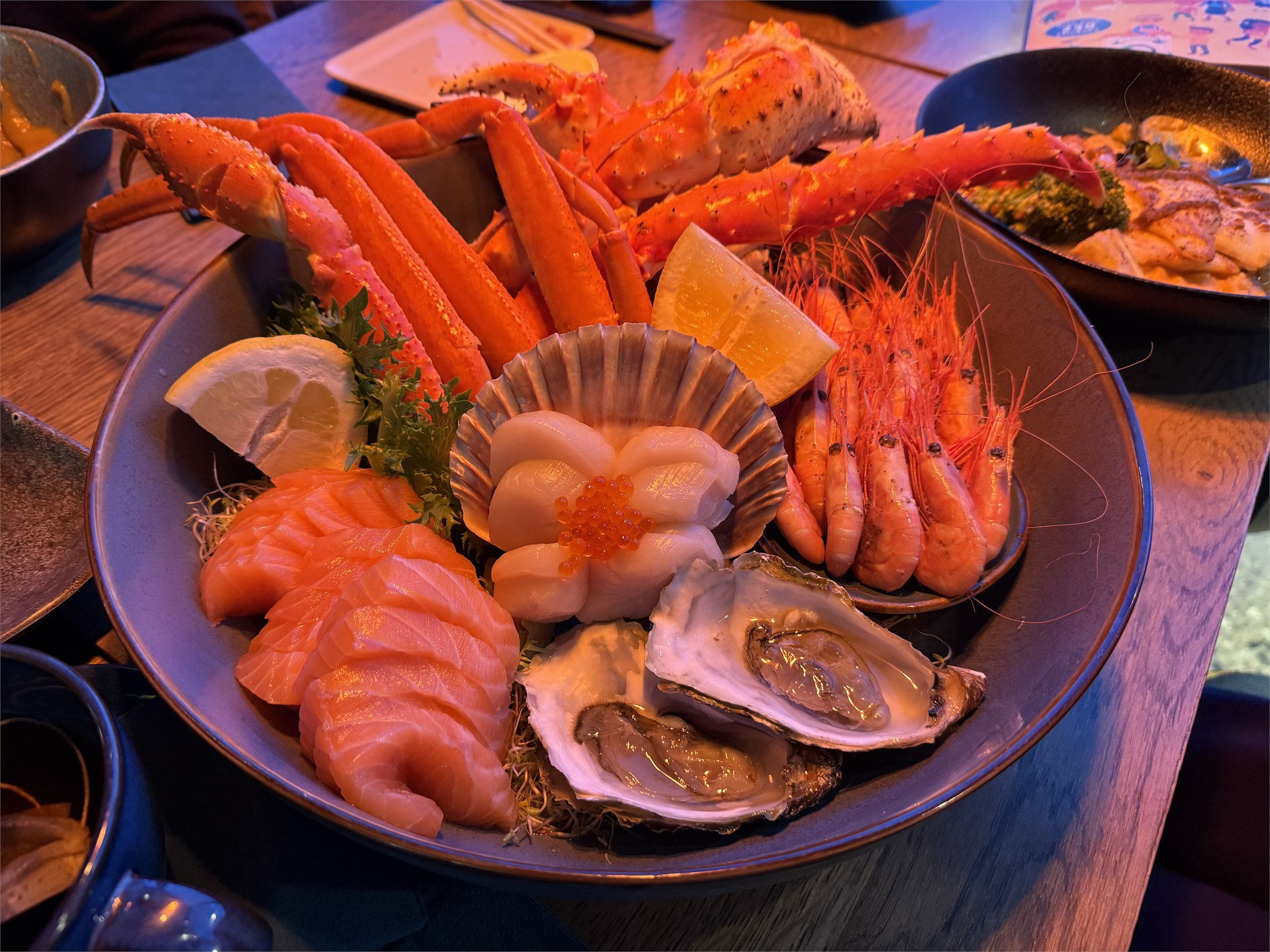
We had dinner at HAV Sushi og Ramen, then took the bus across the water for our first night view of the Arctic Cathedral. Reserve early if you want one of the window tables overlooking the water: even when other tables appear open, those prime views are often being held for later reservations. Walking the bridge with kids is not especially practical: it is seriously windy, the kind of wind that can genuinely move you. The bus kept the outing easy, and the cathedral’s sharp triangular silhouette against the dark was exactly why we kept that first evening simple.
HAV Sushi og Ramen
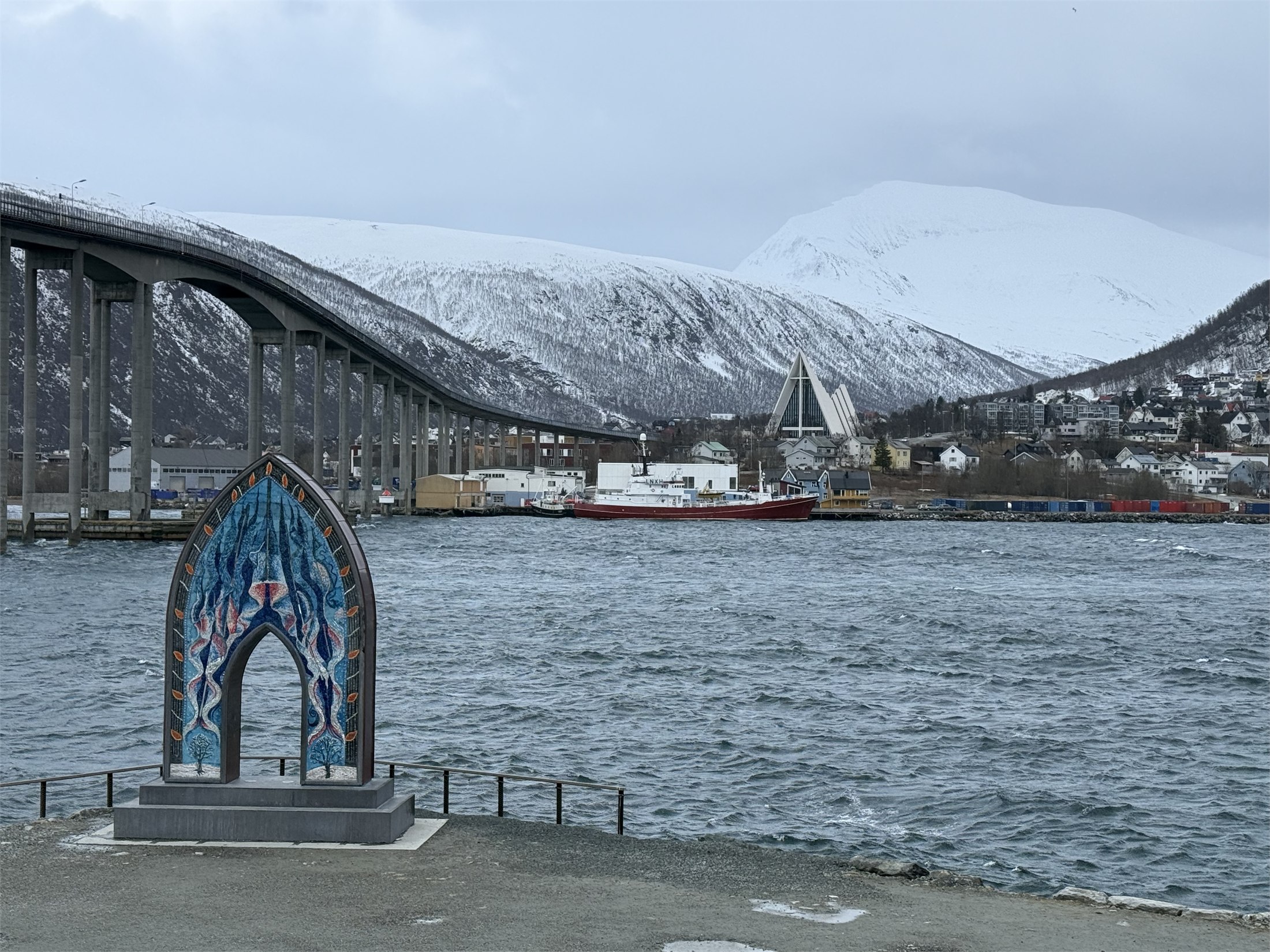
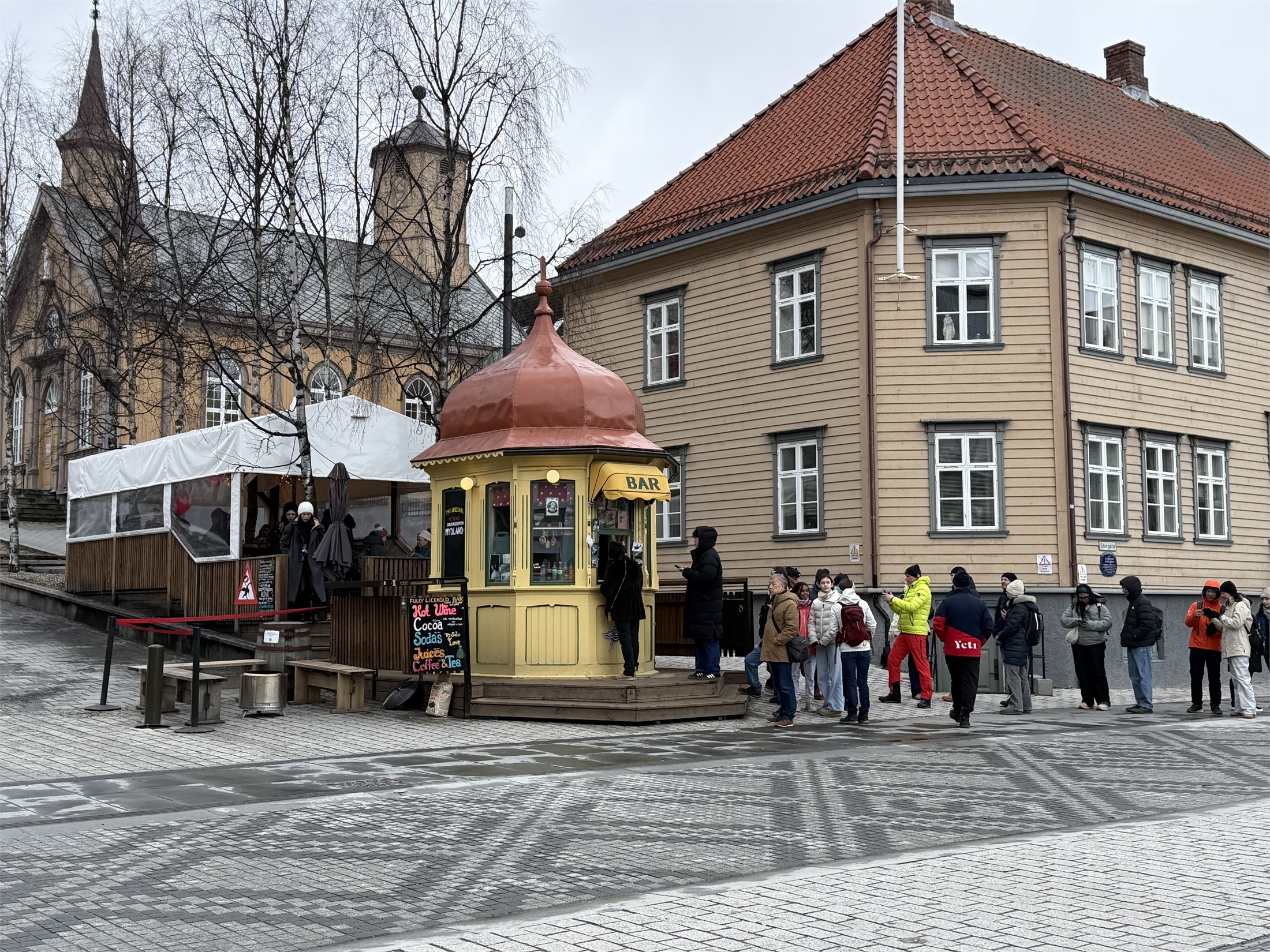
We returned to the cathedral in daylight, then let the center unfold at a child-friendly pace: lunch at Restaurant Skirri, a stroll on Storgata, coffee near the playground by Clarion Hotel The Edge, and snacks when someone needed a boost. A hot dog and hot chocolate at Raketten Bar & Pølse were exactly right; the kids loved the hot chocolate, and we loved having a warm-up stop built into the day. Those small pauses were what made the day feel easy with two little ones.
Raketten Bar & Pølse
Our evening reindeer-sledding camp dinner with Tromsø Arctic Reindeer was the outing we planned around. We packed plenty of layers, met at the terminal, and headed into the darker landscape. Being pulled through snow behind reindeer was quieter than we expected—soft runners, breath in the cold, and the children taking everything in with enormous eyes. The camp dinner gave the night a warm center, while stepping outside to scan the sky became its own tiny family ritual.
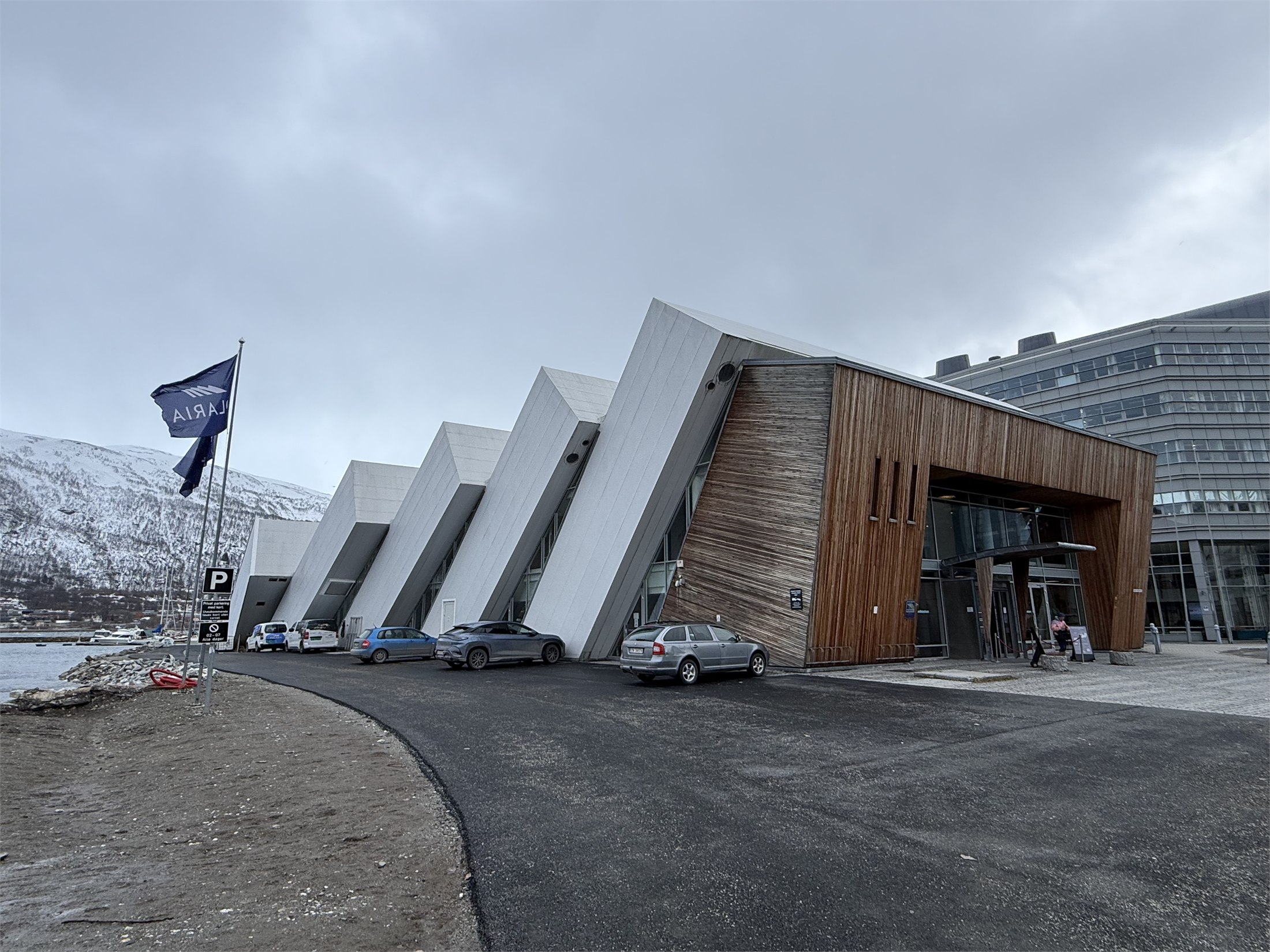
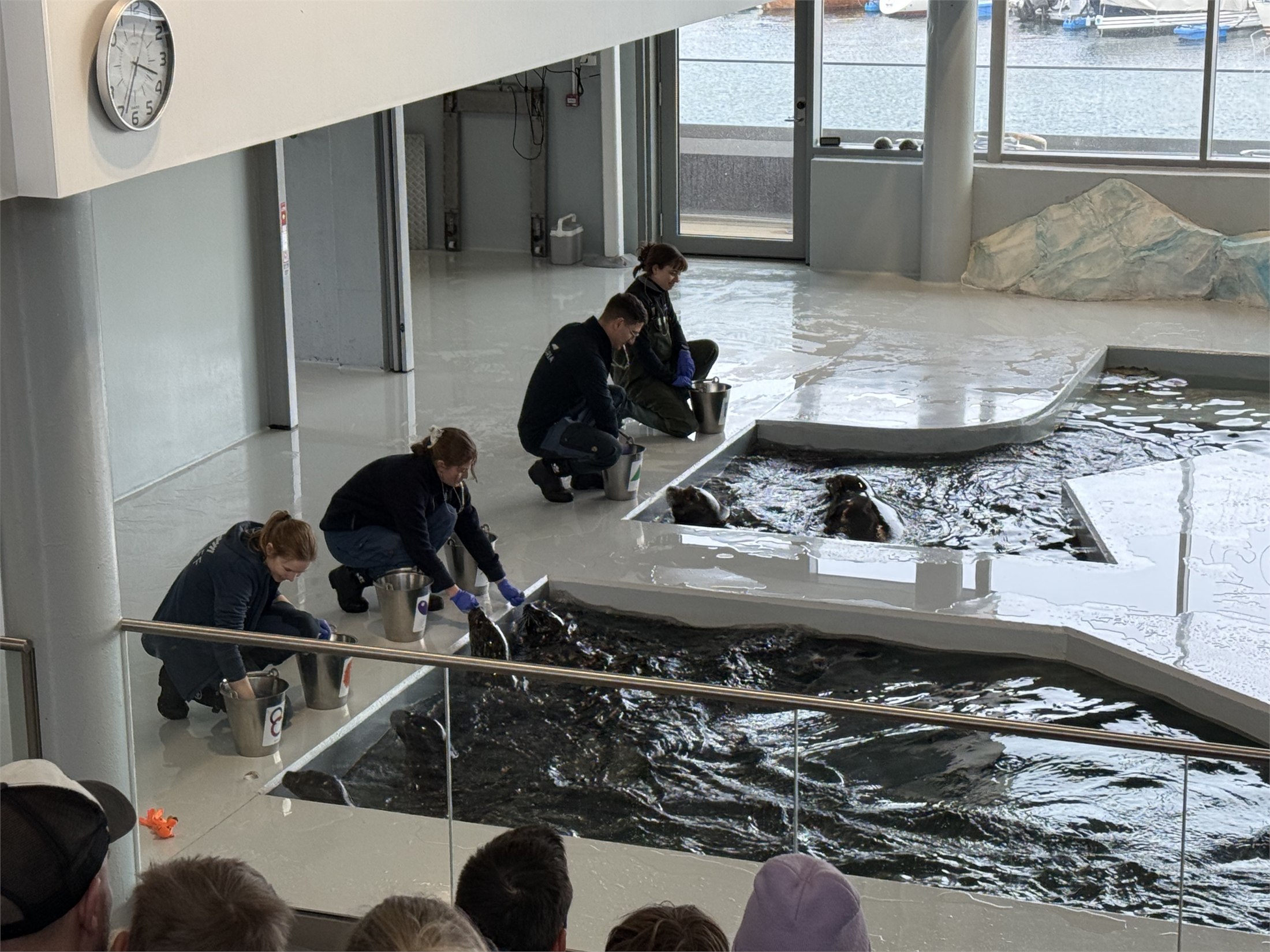
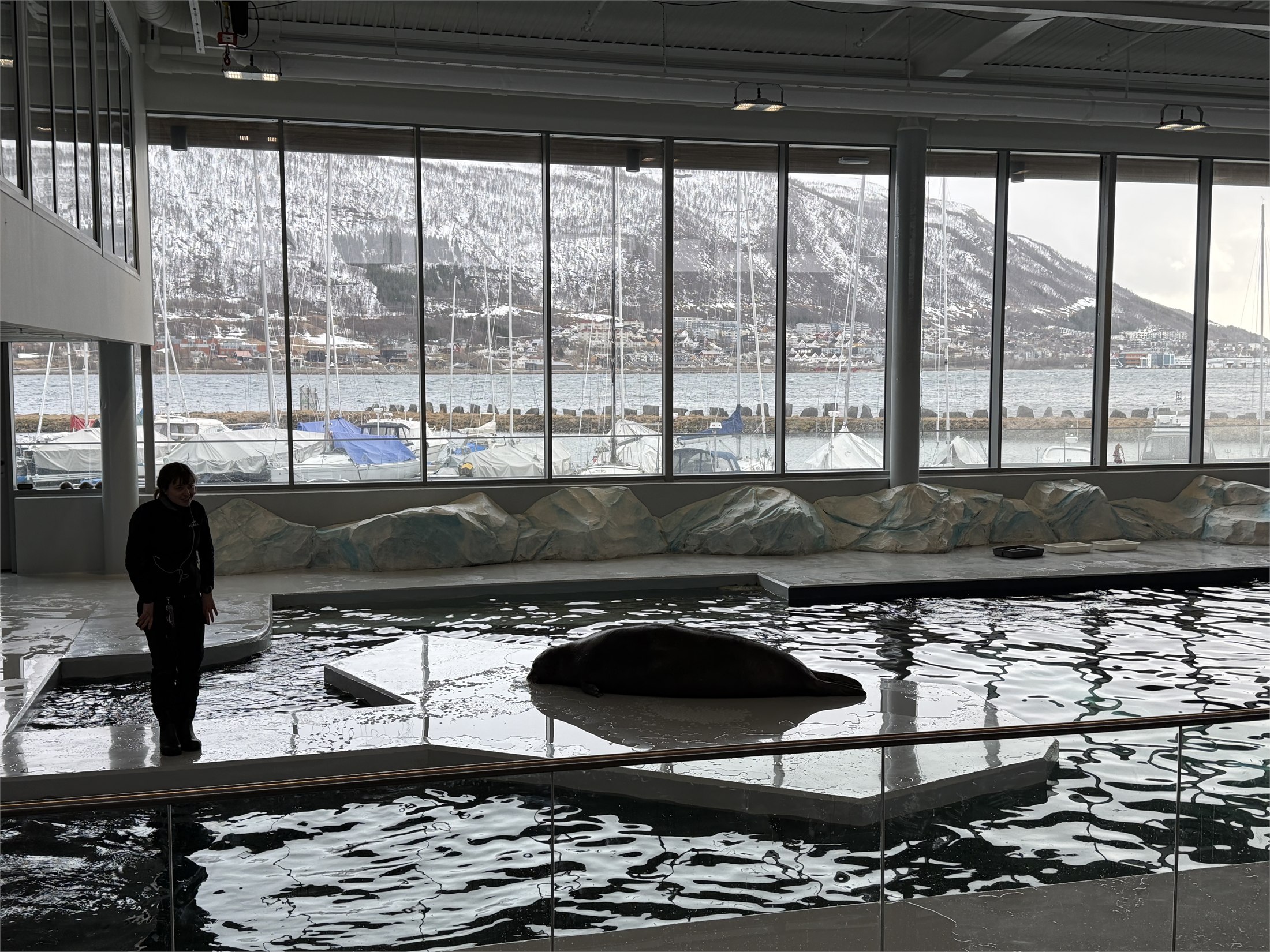
Polaria was the perfect daytime counterpoint. We timed our visit for the seal feeding, explored the Arctic exhibits slowly, and left everyone in a better mood than if we had tried to force another long outdoor walk. It is the sort of indoor stop that lets a destination stay enjoyable when small legs need a reset.
Polaria
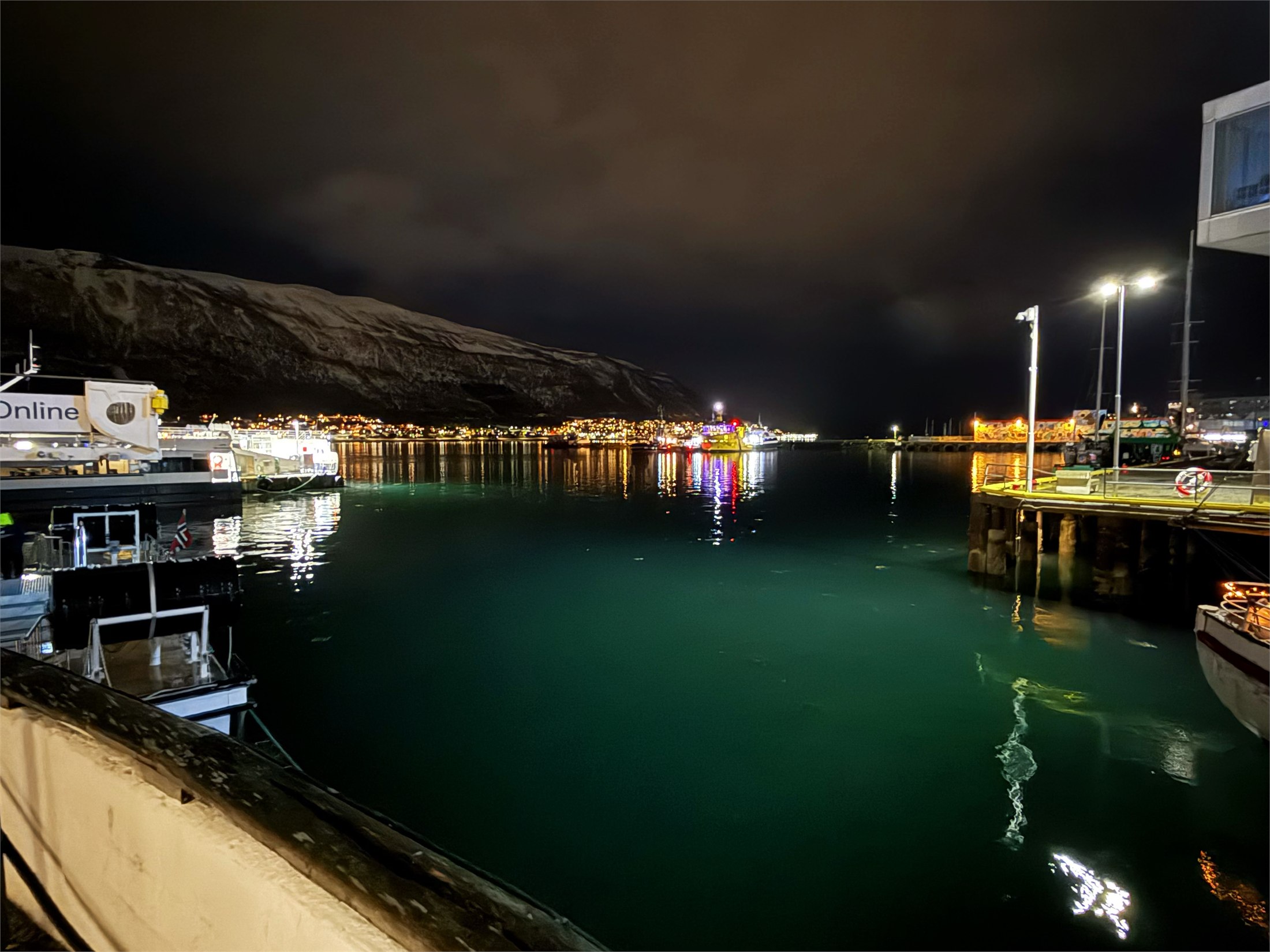
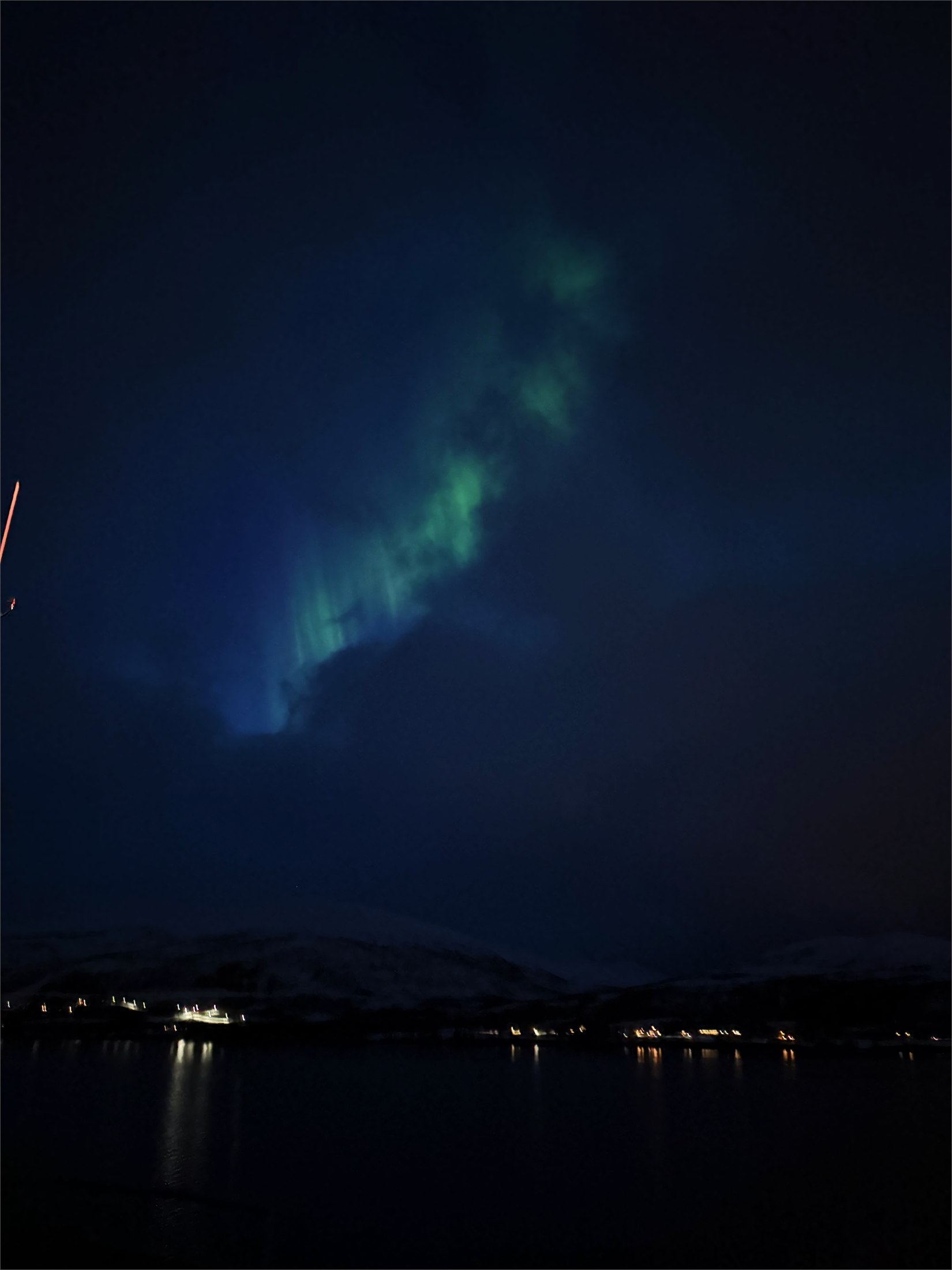
That evening, our Aurora dinner cruise with Brim Explorer became one of the trip’s happiest surprises. Tromsø itself is very walkable, and Storgata’s heated main stretch made daytime wandering genuinely pleasant—but a storm rolled in that night, so the walk to the port was a little wild. Beanies and gloves were absolute musts, not because the temperature alone felt impossible, but because the dry high wind against your face actually hurt. Fortunately, once we boarded the cruise and sailed outward, the rain stopped and the water became much calmer. The captain intentionally guided the quiet electric boat around and behind one of the islands and mountains, keeping us out of the worst of the wind and storm. That made the evening feel wonderfully calm: we settled in over dinner, watched the dark shoreline slide by, and enjoyed the gentle ride while the crew kept an eye on aurora activity. When they finally called everyone outside, we were able to see the northern lights for ourselves. Northern lights: checked!
Aurora Dinner Cruise
We had originally planned to visit Tromsøbadet, but decided to skip it at the end and relax instead. It sounded amazing in our research—and is an excellent option if your family wants a swim or water-park break—but we preferred one more slow day: another stroll along the main street, a little boba tea from Nice to Meet U, dinner at Egon, and unhurried outdoor play with snow toys. Making snowmen and snow ducks turned out to be exactly the kind of low-stakes fun the kids needed.
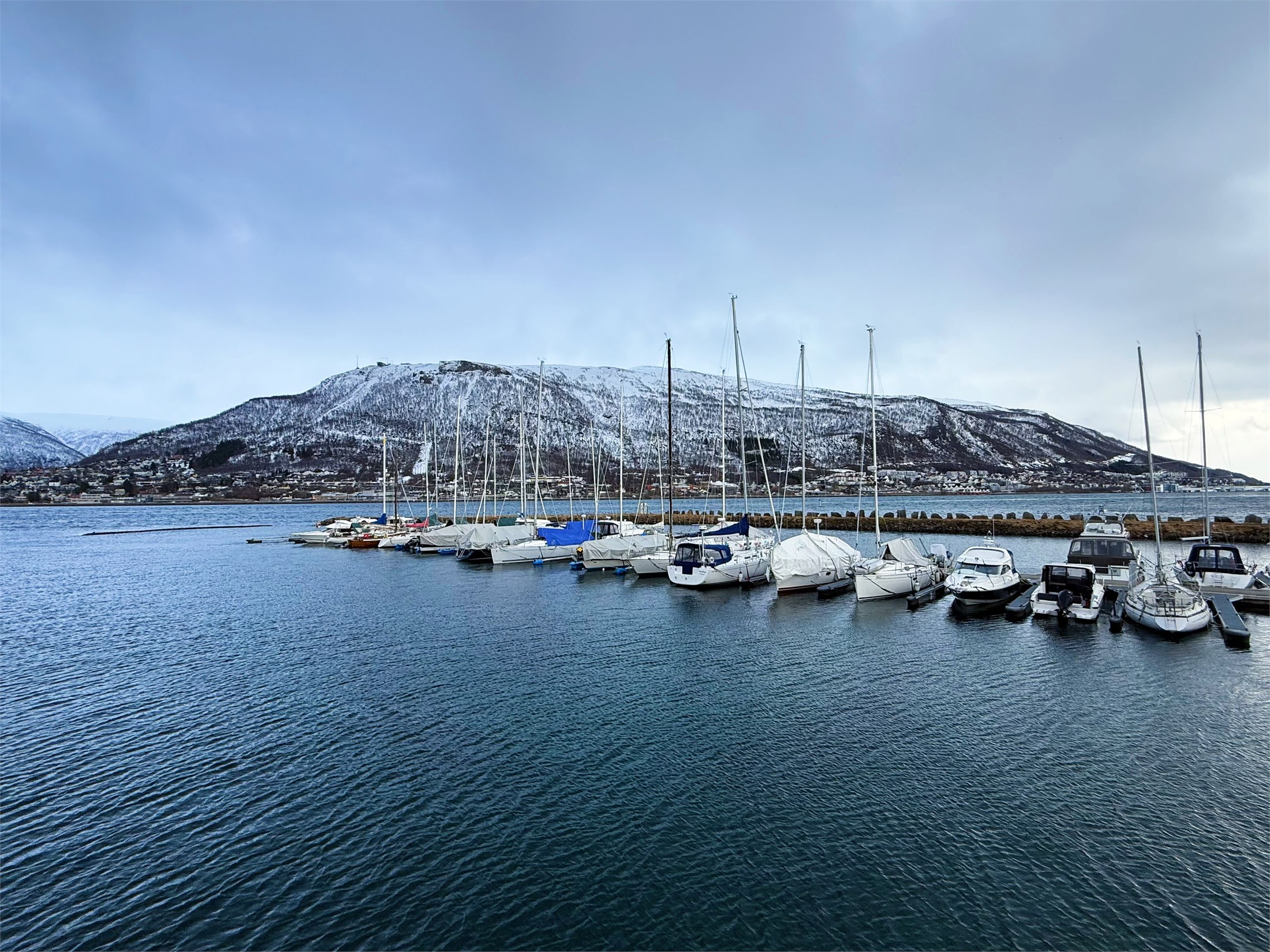
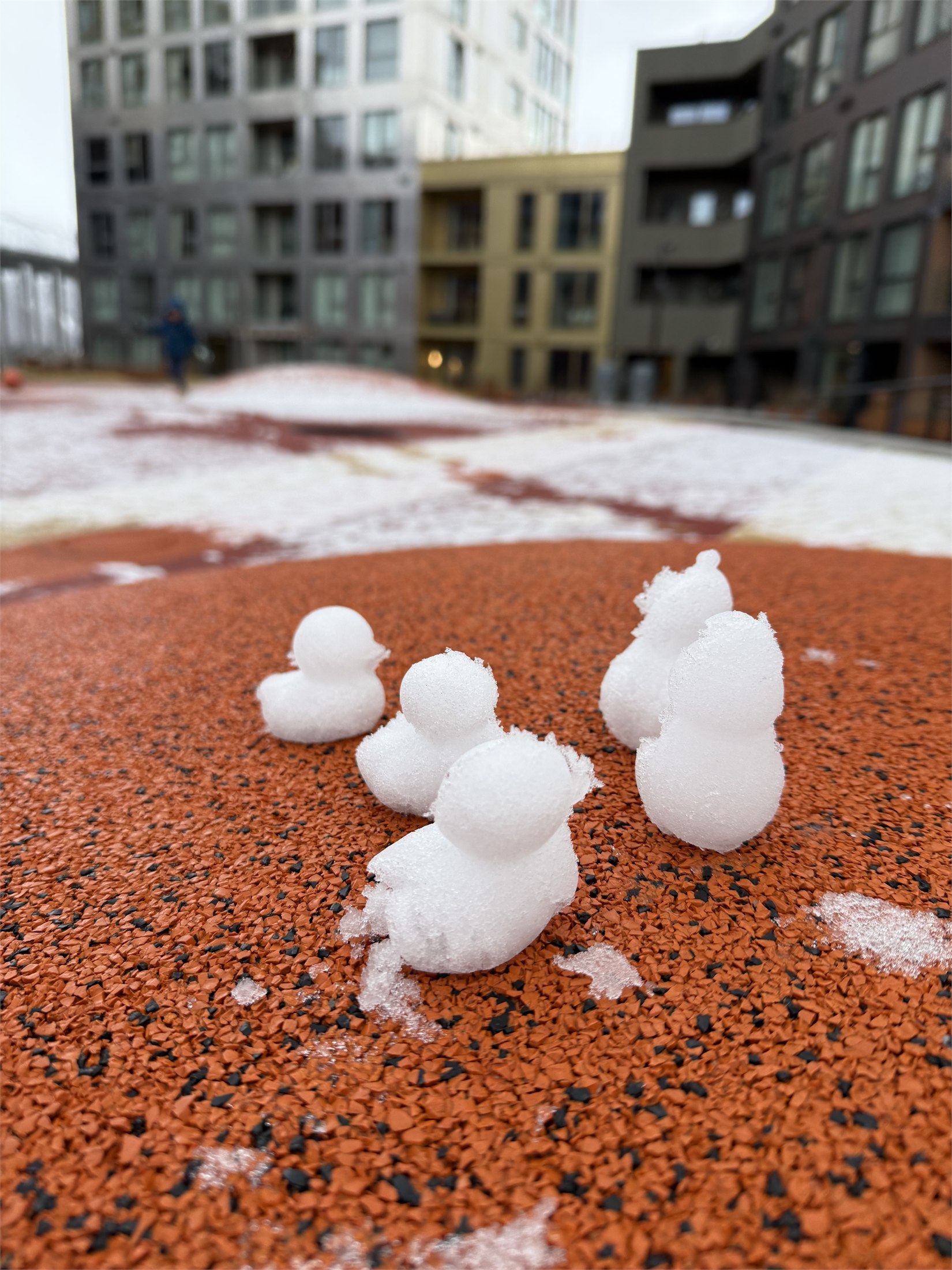
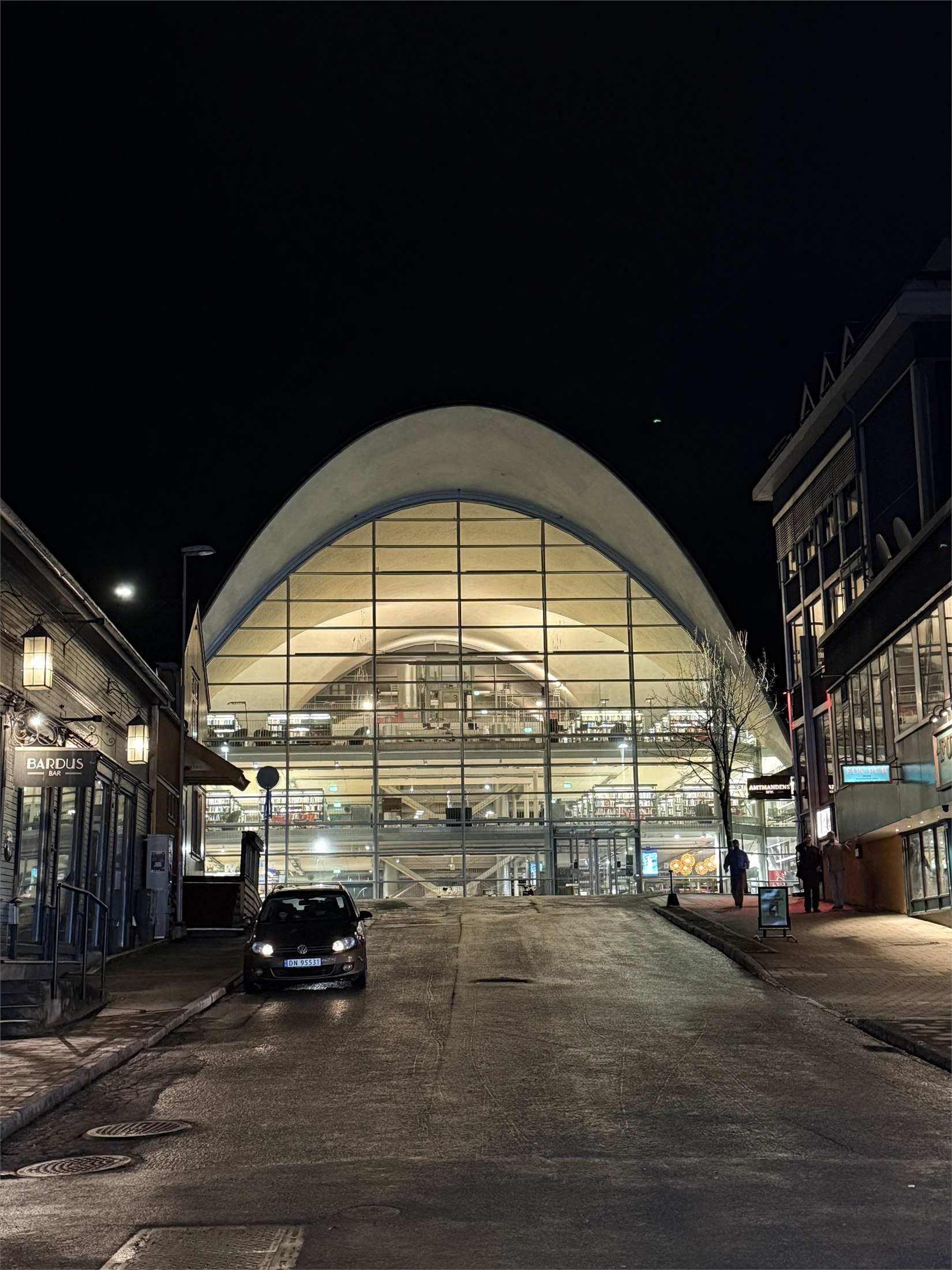
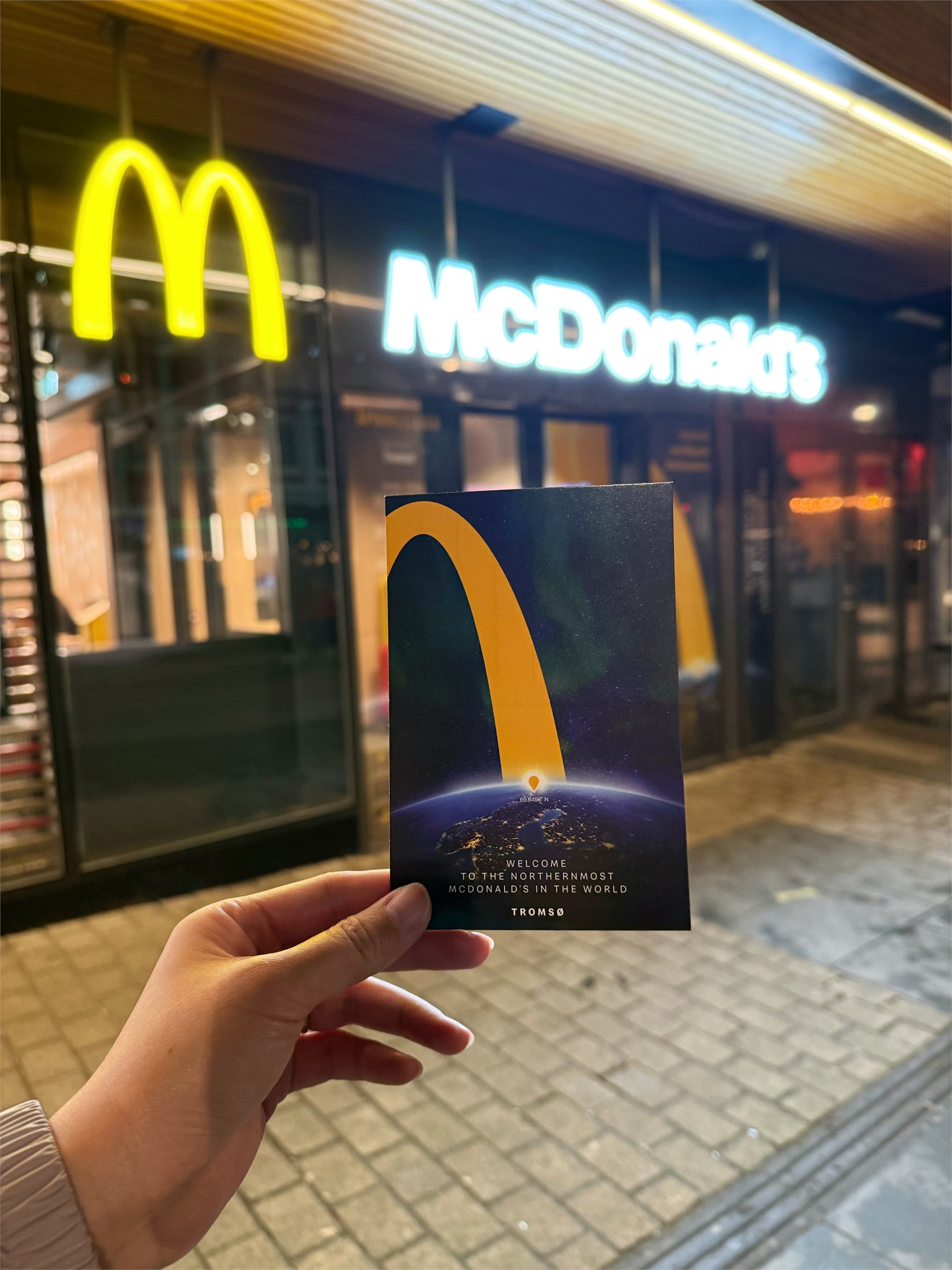
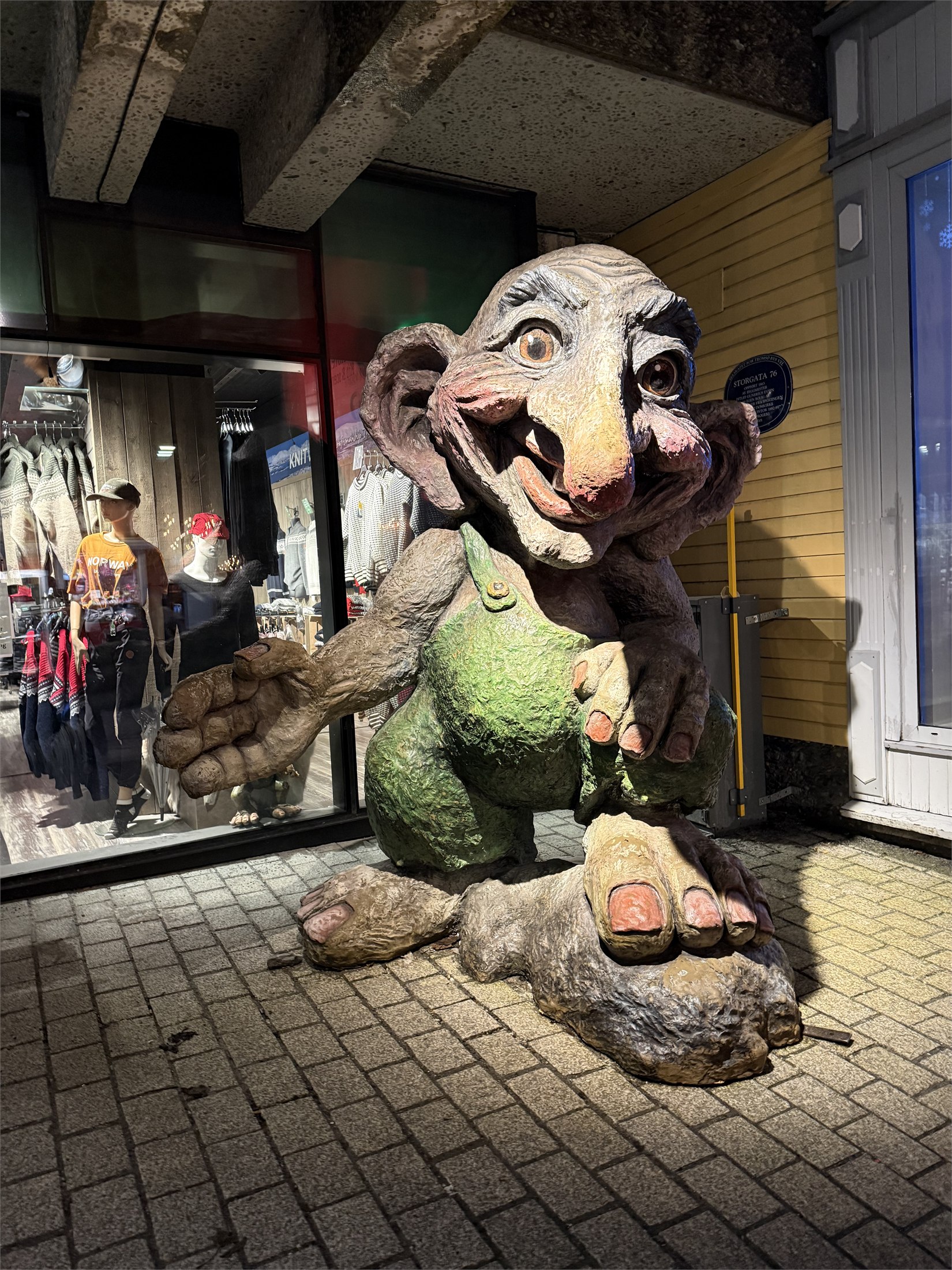
Recommendation: pair one outdoor or evening experience with one flexible indoor stop. You will still feel the Arctic magic, but nobody has to be brave against the weather all day long.
We flew from Tromsø (TOS) to Bodø (BOO), then connected onward to Svolvær (SVJ). The individual regional flights were short—roughly 1 hour to Bodø and about 25 minutes onward to Svolvær—and Bodø’s small airport made the connection feel refreshingly simple: walk on, choose open seats, and settle in. Once we collected the rental car, stocked up at REMA 1000, and set off toward Reine, the travel day suddenly became part of the experience.
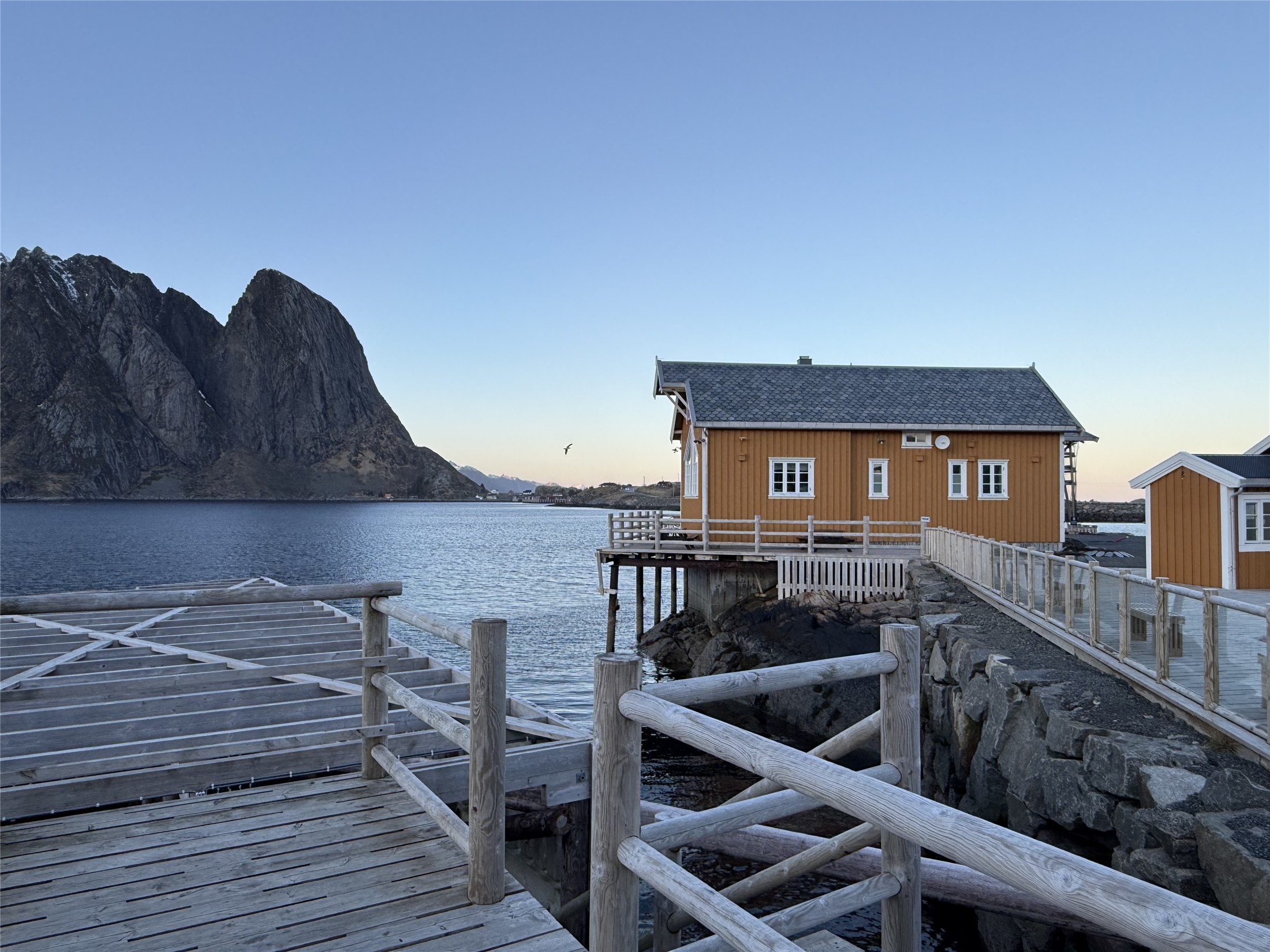
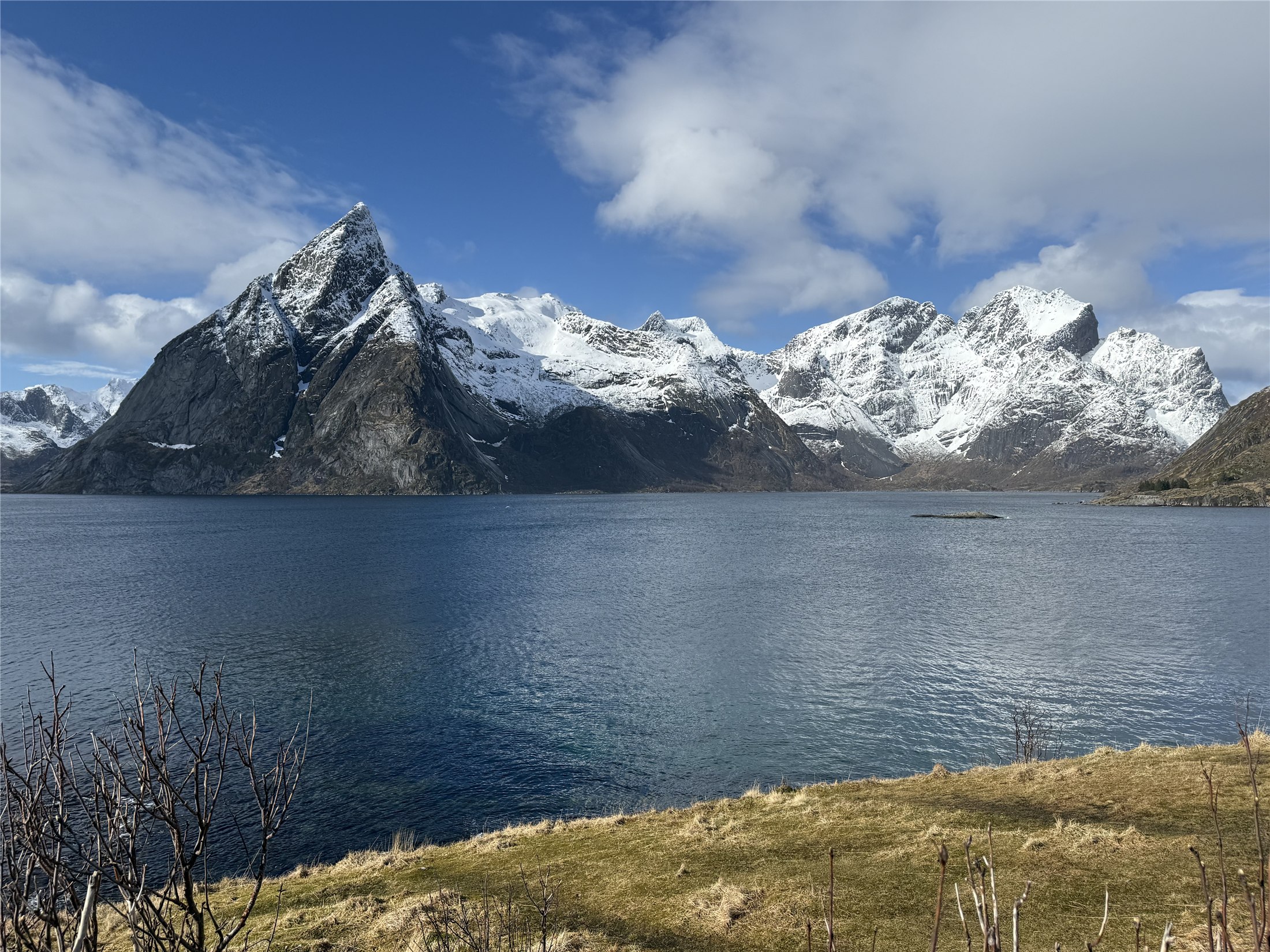
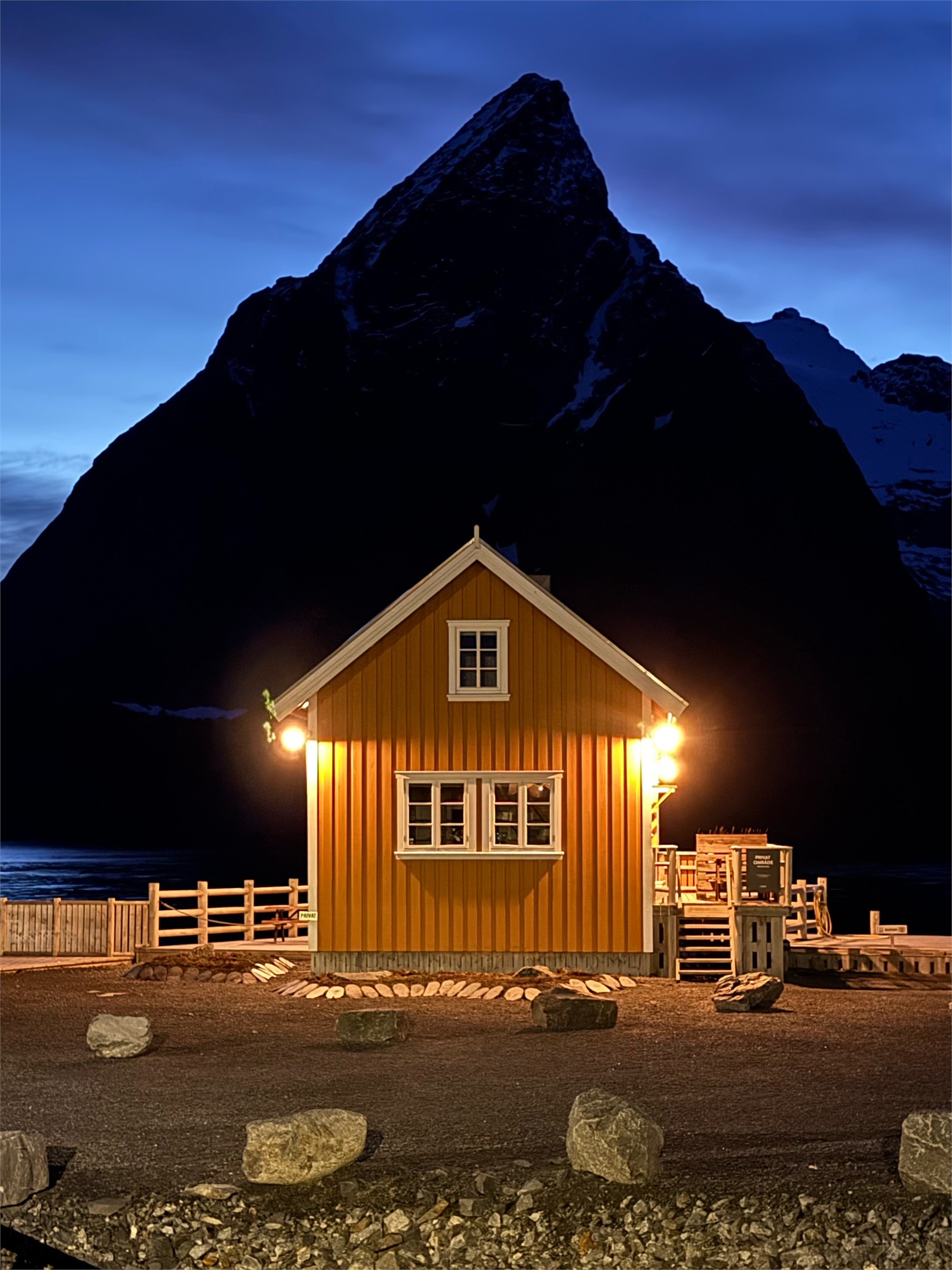
Hamnøy was our first proper wow moment. The red cabins against the mountain backdrop looked almost too composed to be real, and we stopped more than once because the view changed with every small shift in angle and at different times of day. Sakrisøy, with its cheerful yellow house and water all around, had the same effect.
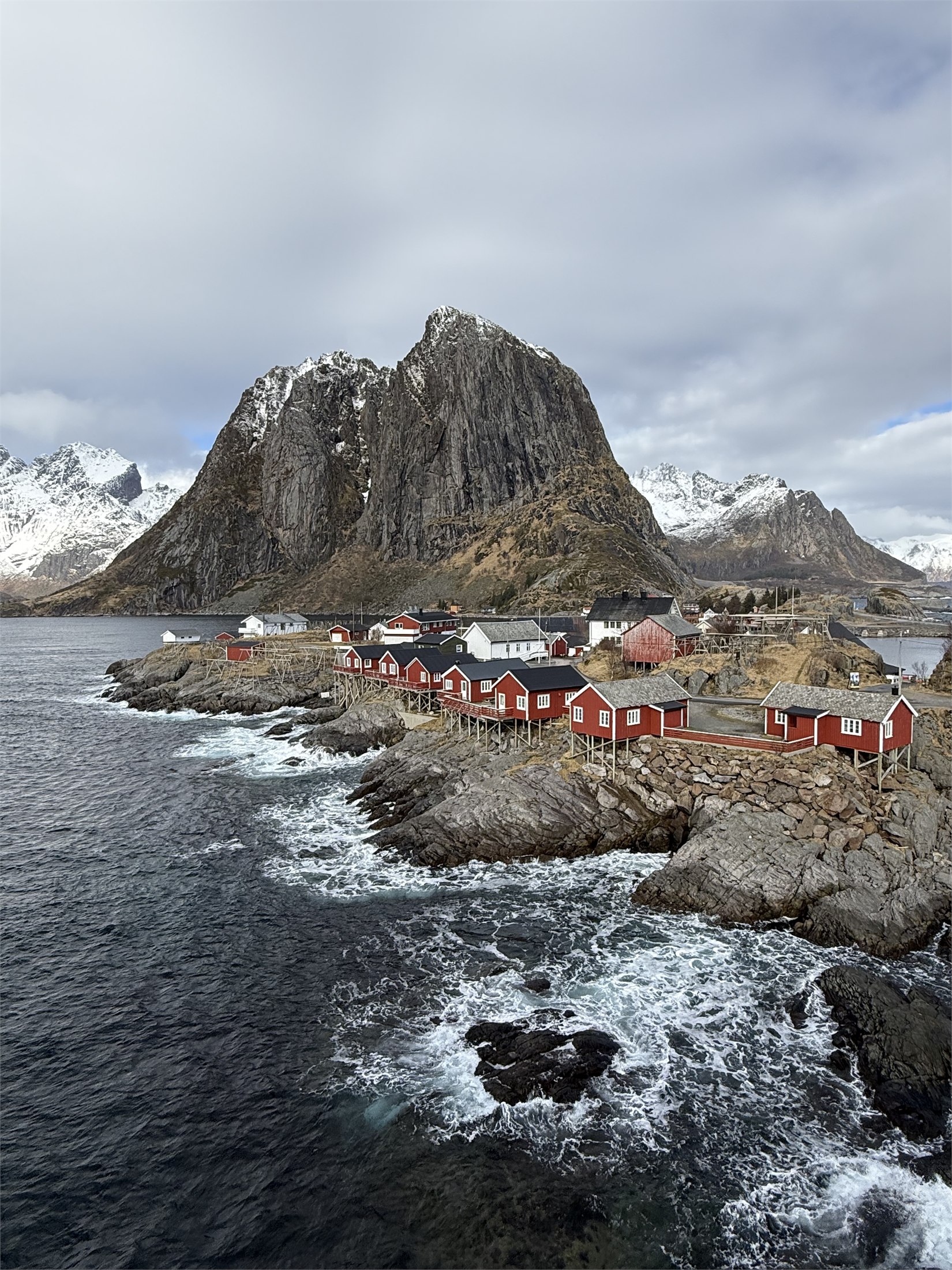
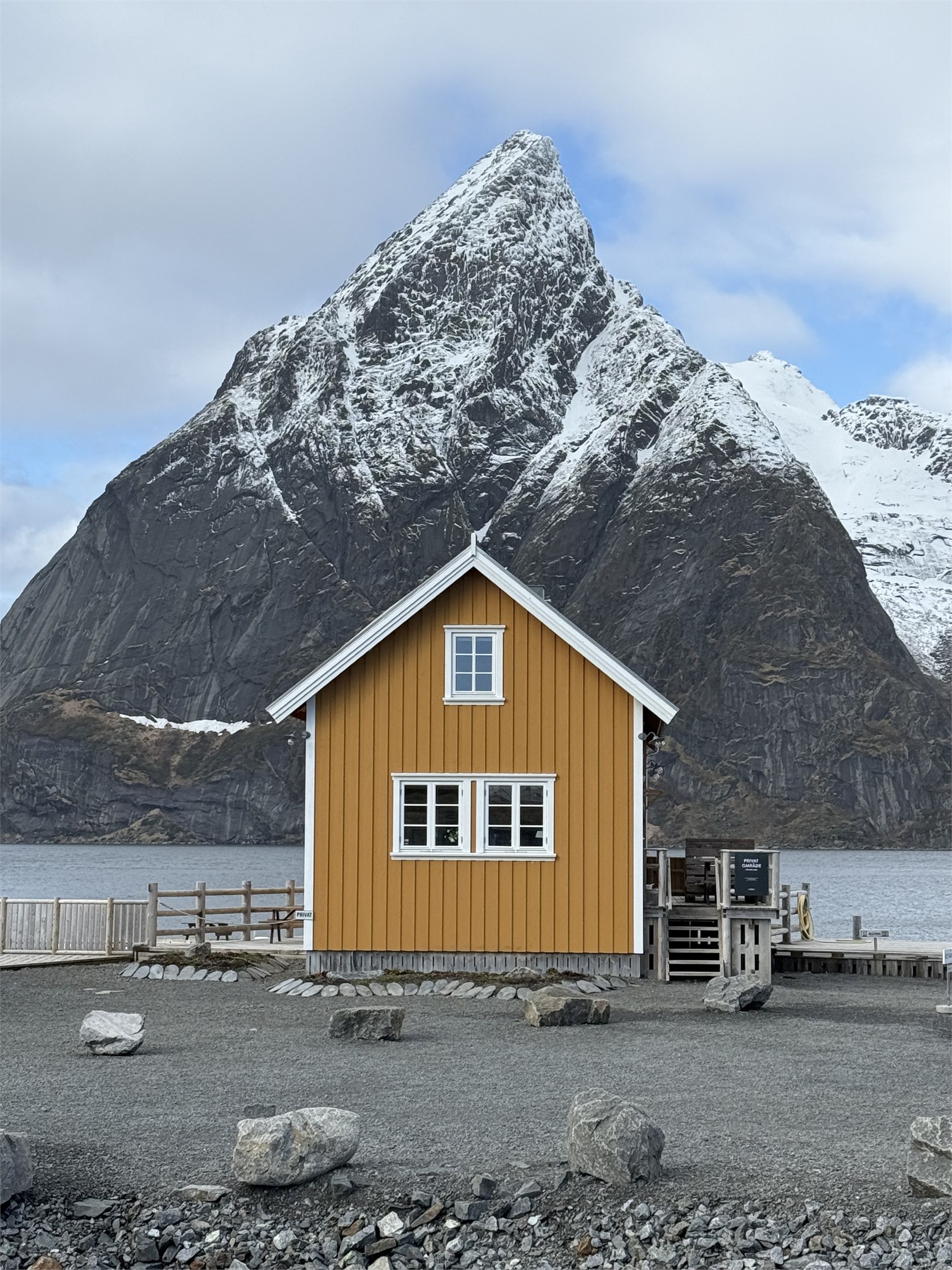
Our first base was a Reine fisherman’s house with mountain-and-sea views, plenty of space, and a crib already arranged. The house rental was a great choice: a comfortable place to recharge, settle in together, and get ready for the adventures ahead.
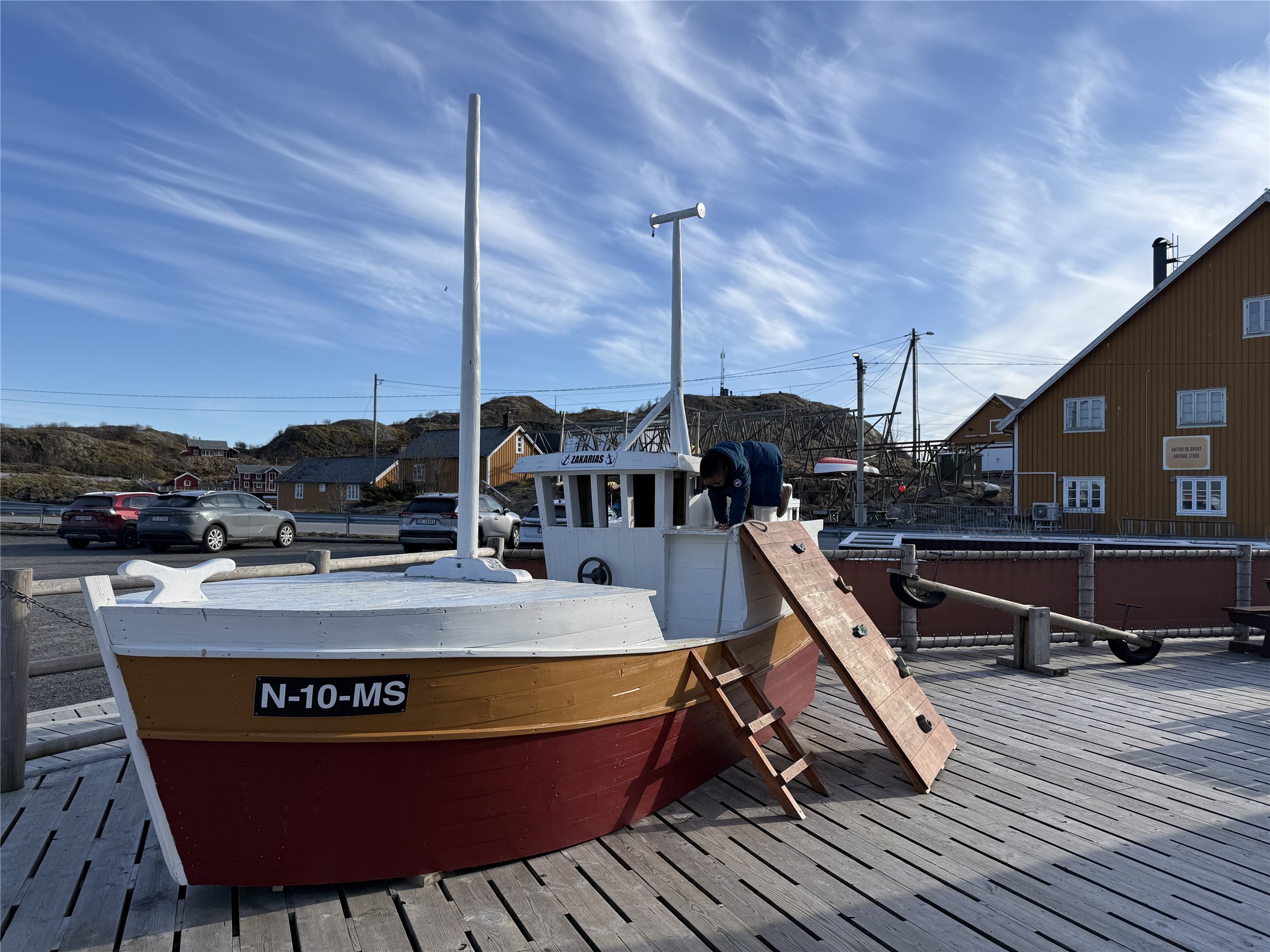
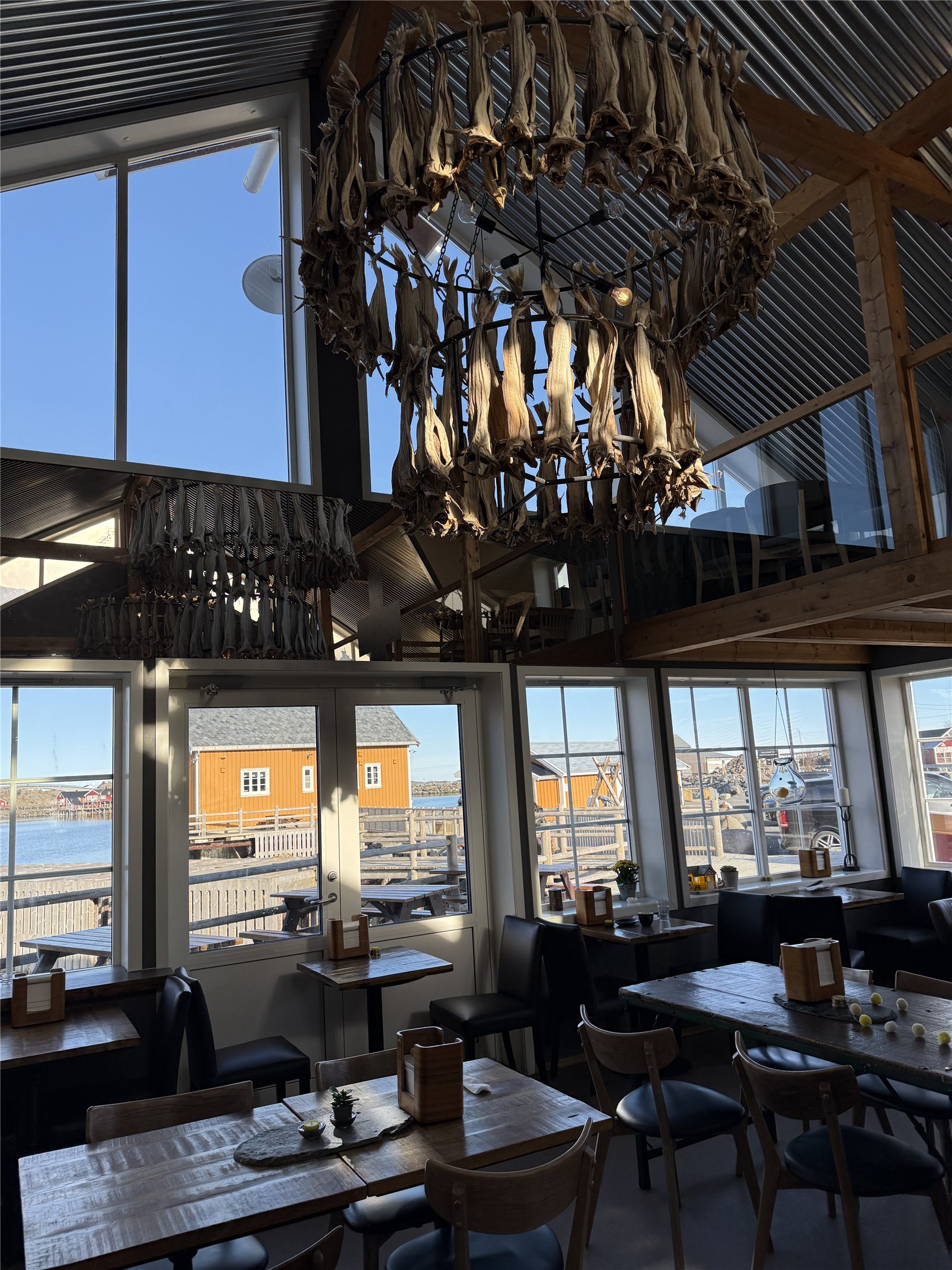
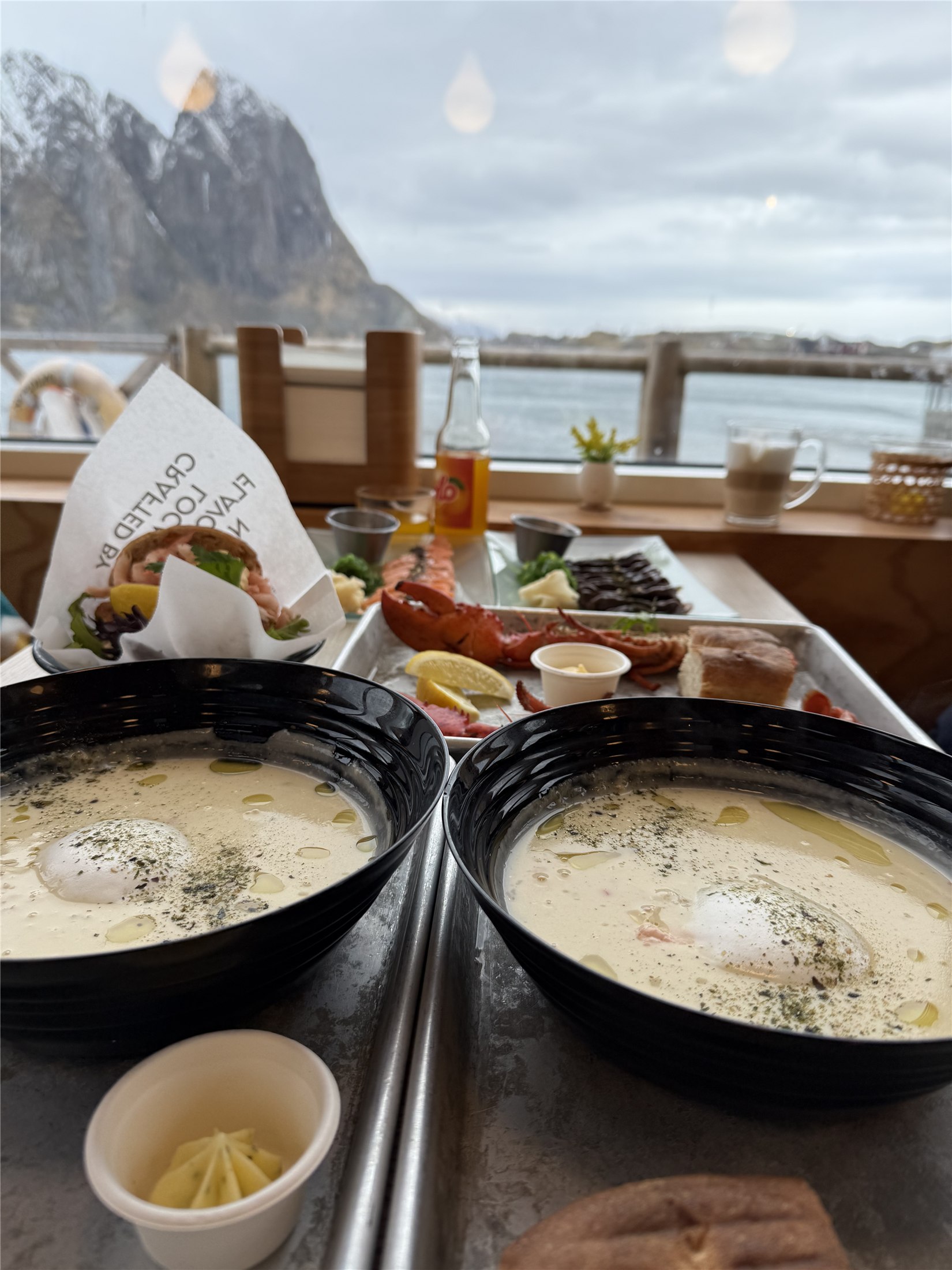
We started with lunch at Anita’s, which quickly became our southern-islands base. The fish burgers and seafood were legitimately good, and it was the kind of cheerful, dependable stop that makes a return visit an easy decision. Outside the restaurant, a small play area gave the kids a good way to let out some energy, with a boat structure to climb on and swings beside it.
Anita’s
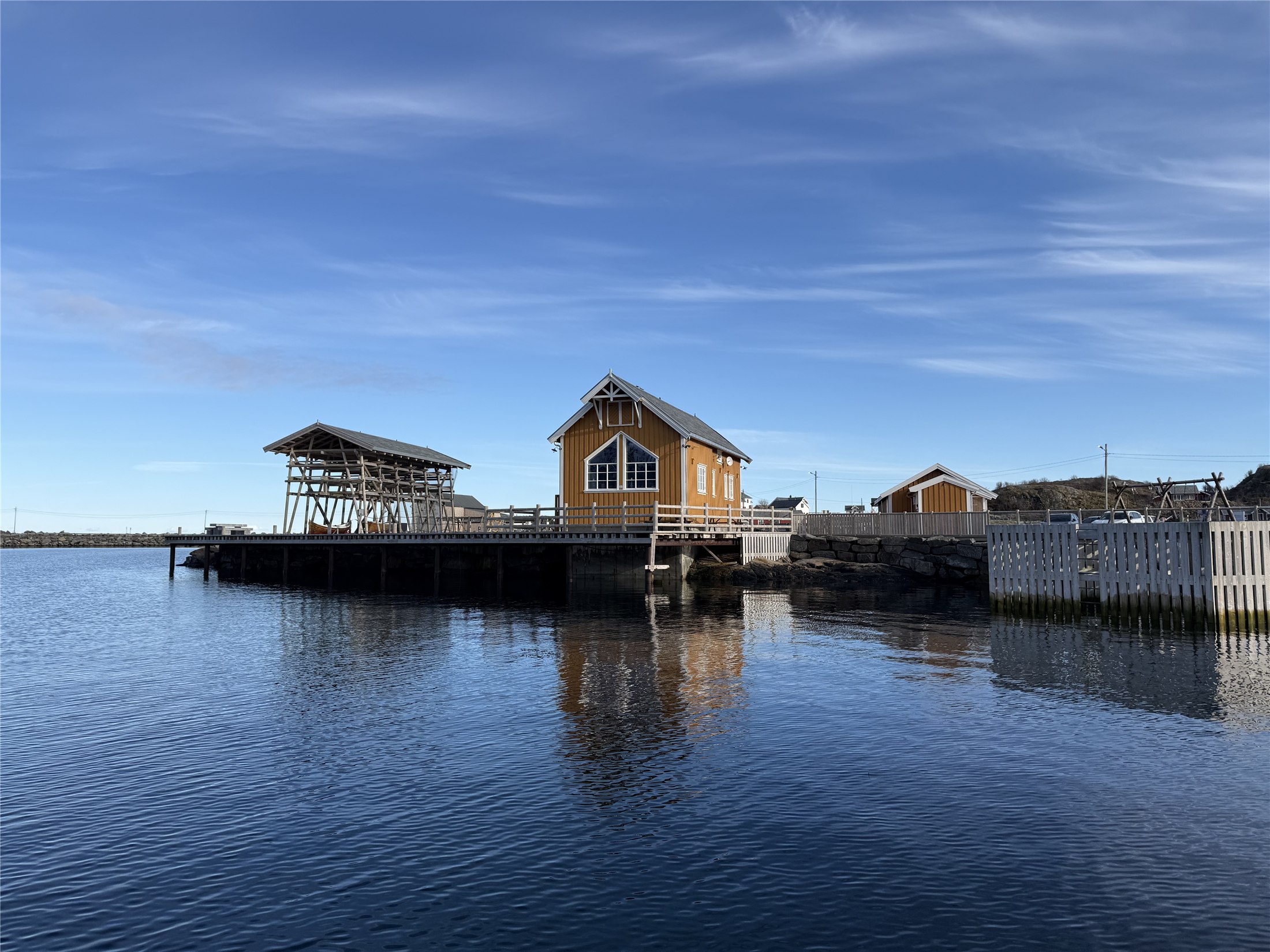
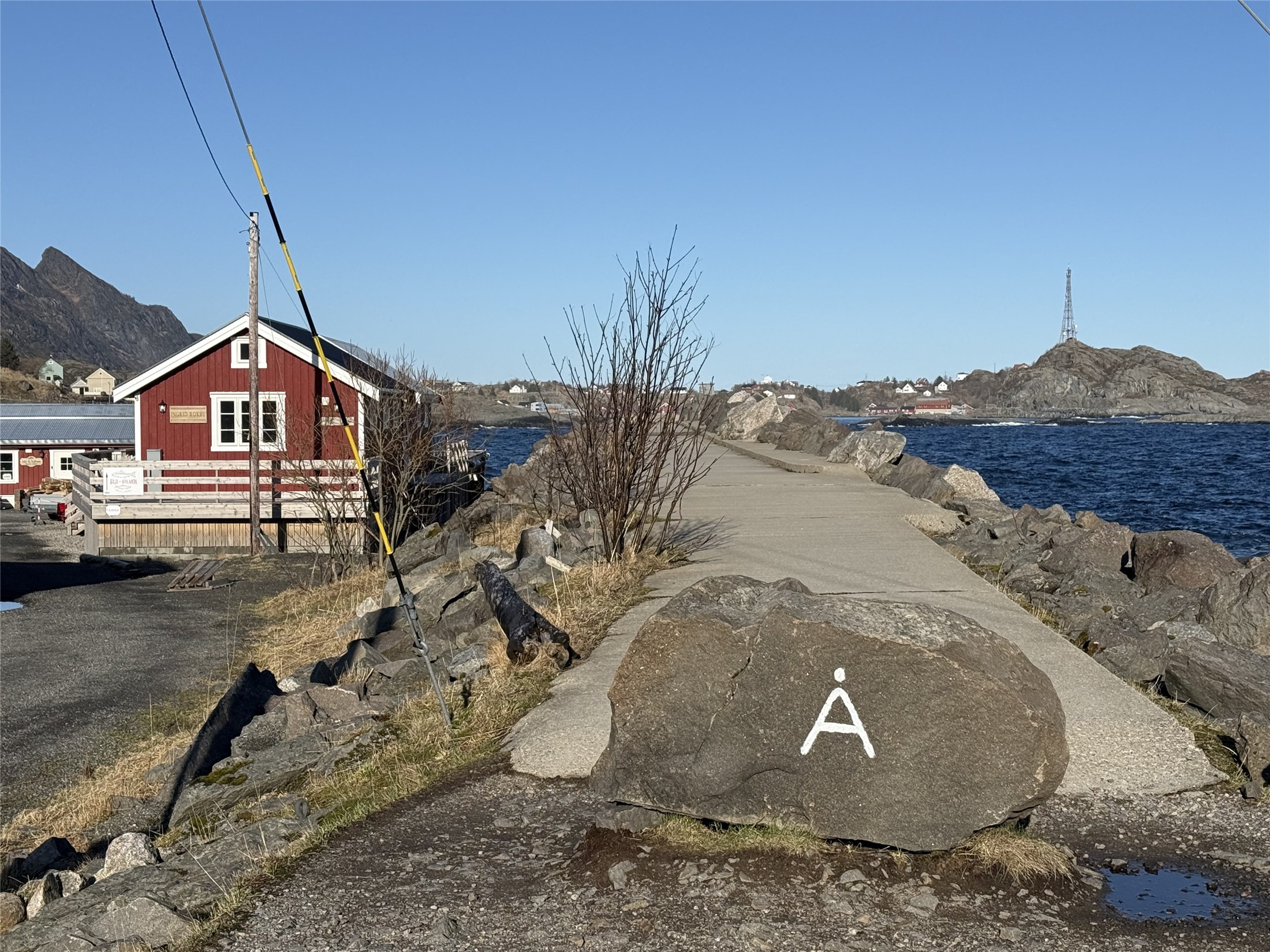
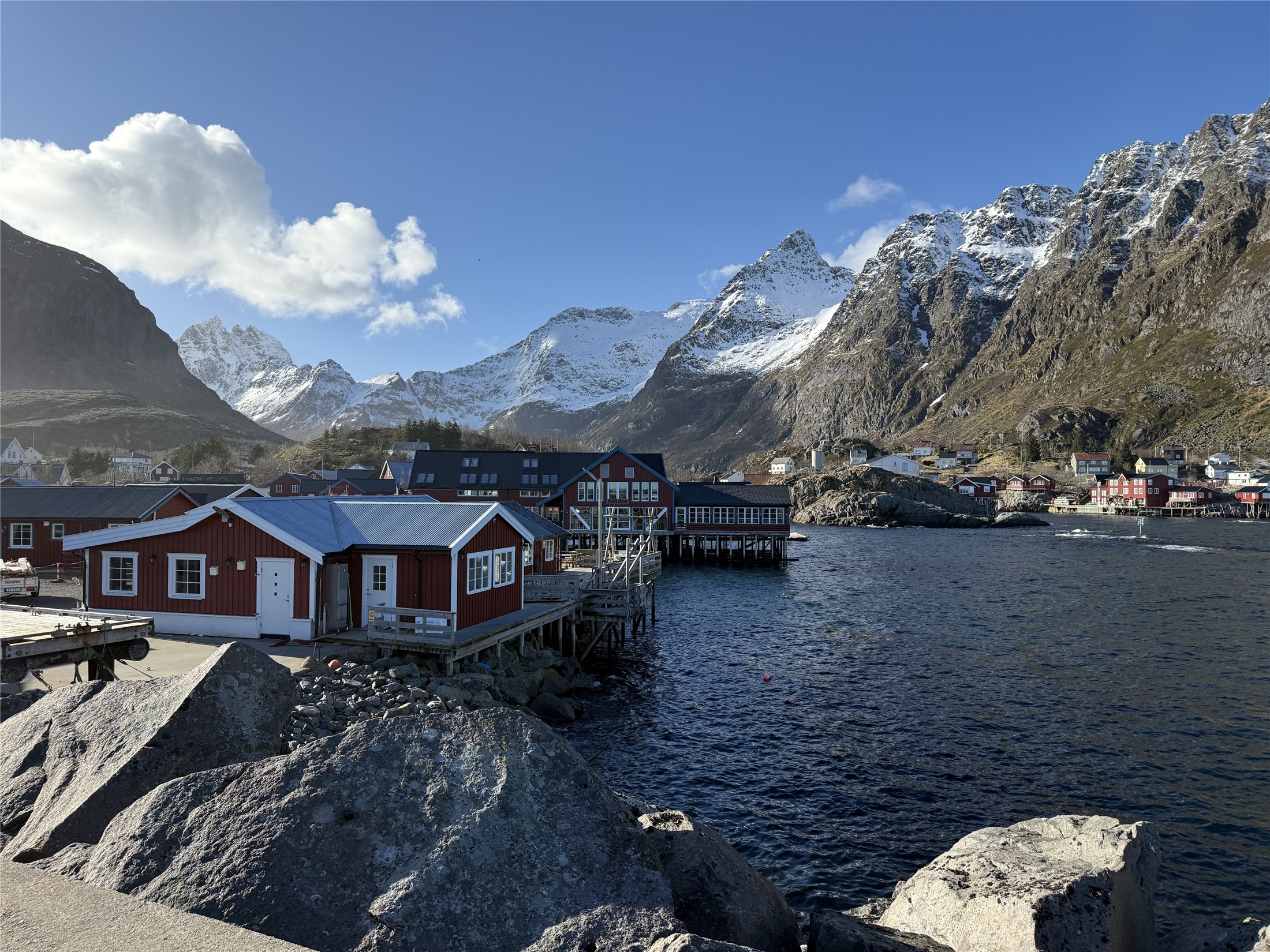
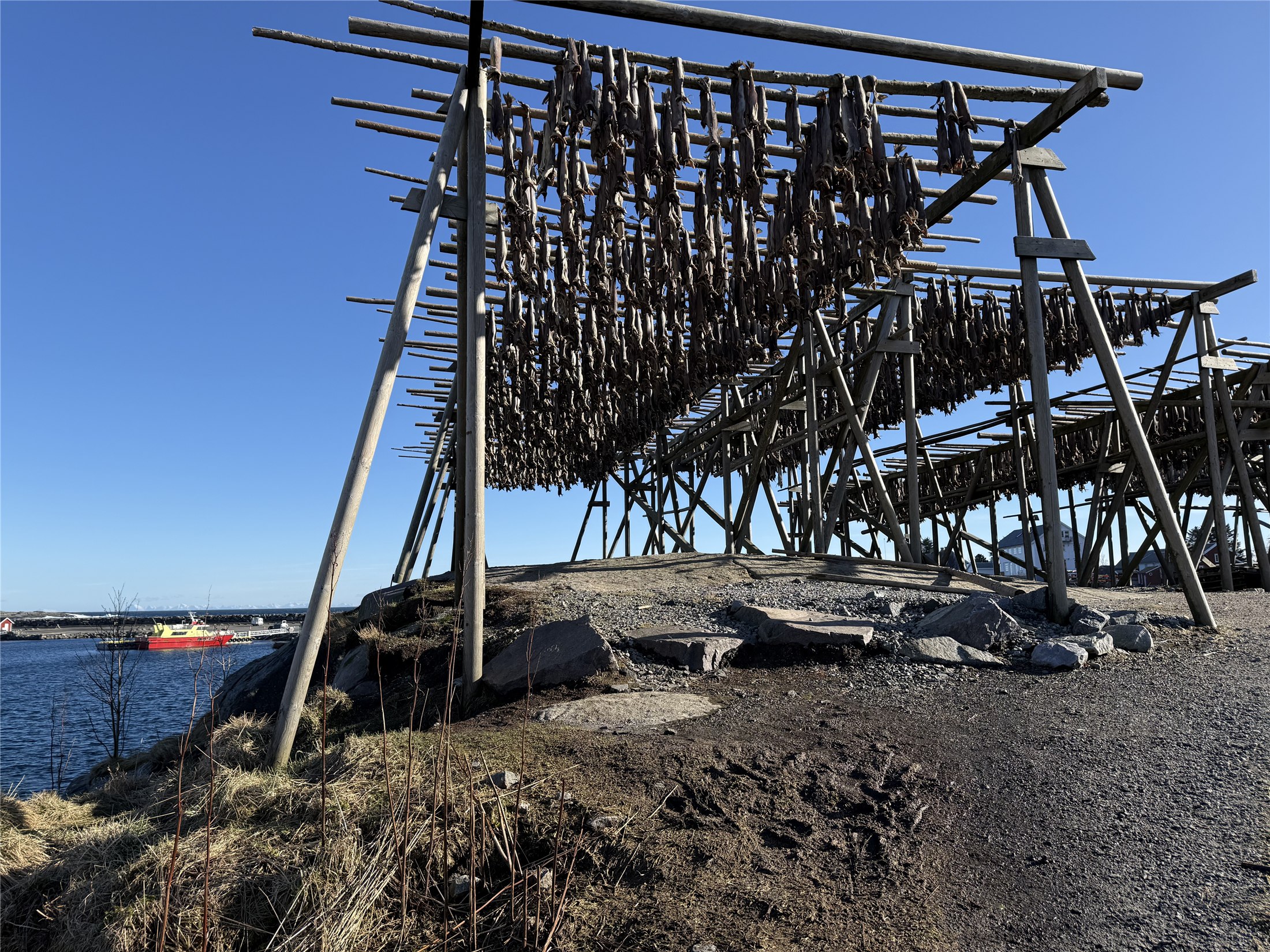
After lunch, we headed down toward Å, with harbor views and quiet village moments along the way. A playground stop in Sørvågen reminded us that a playground with a mountain view becomes a travel memory too.
A Town
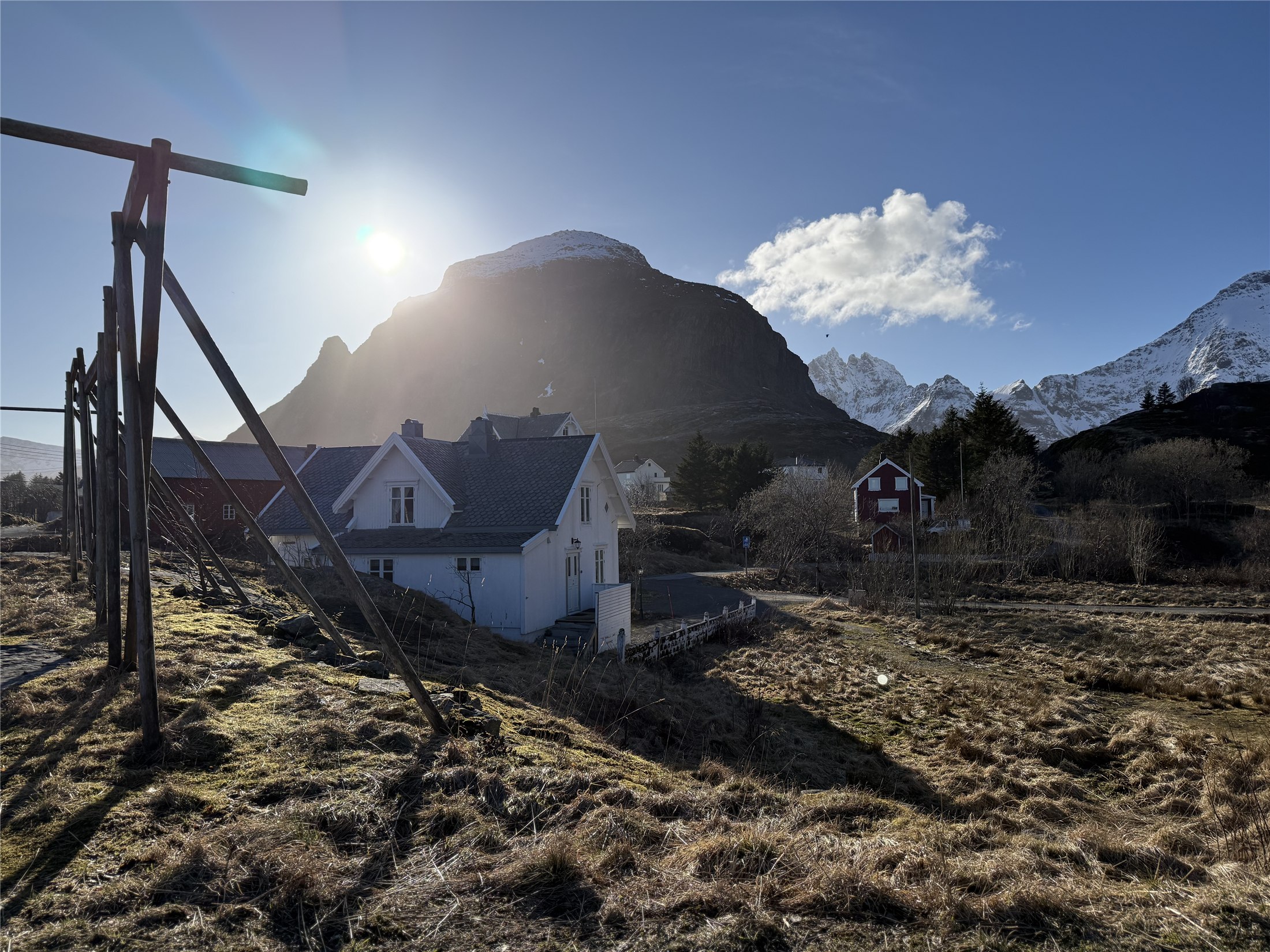
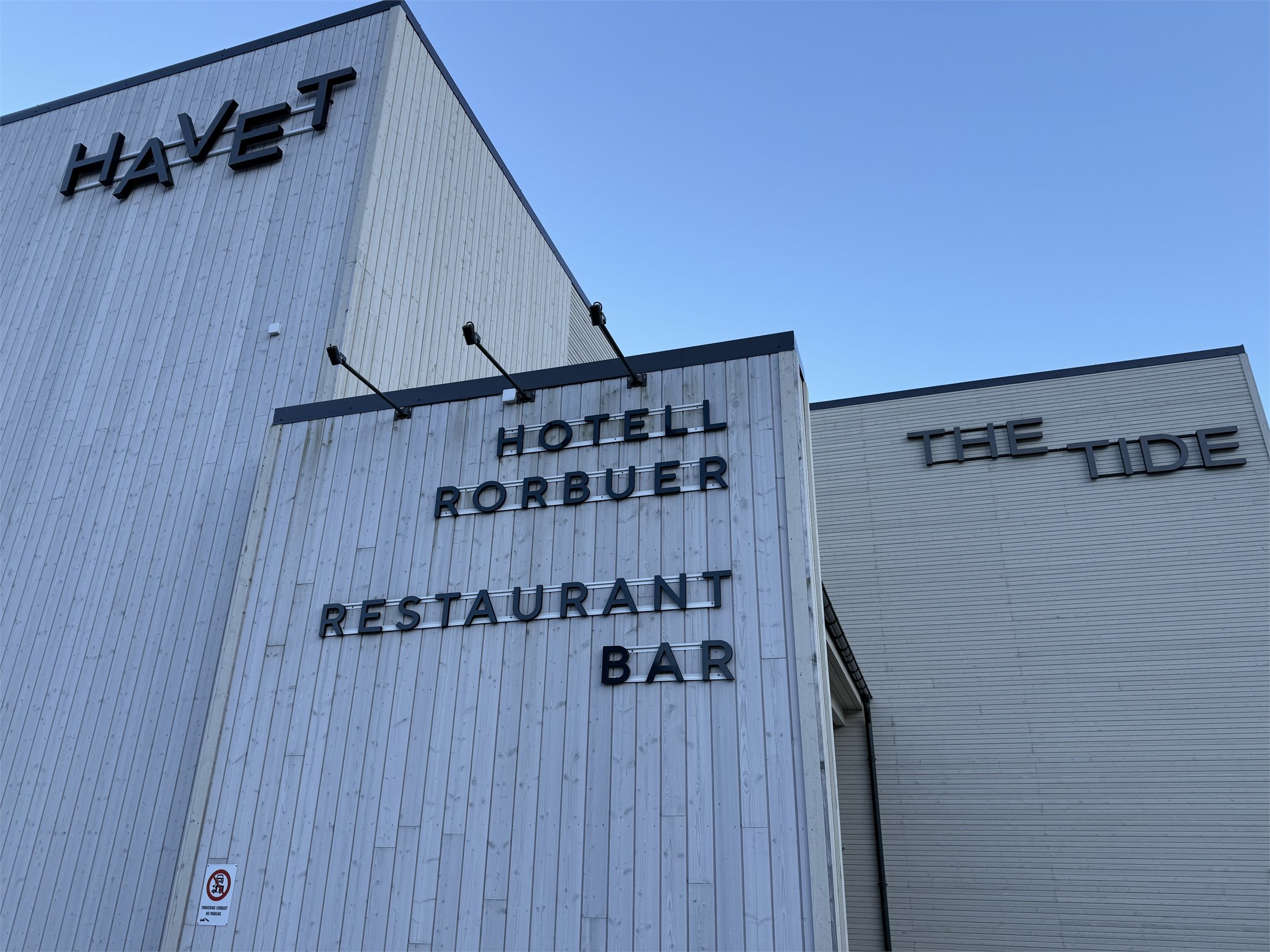
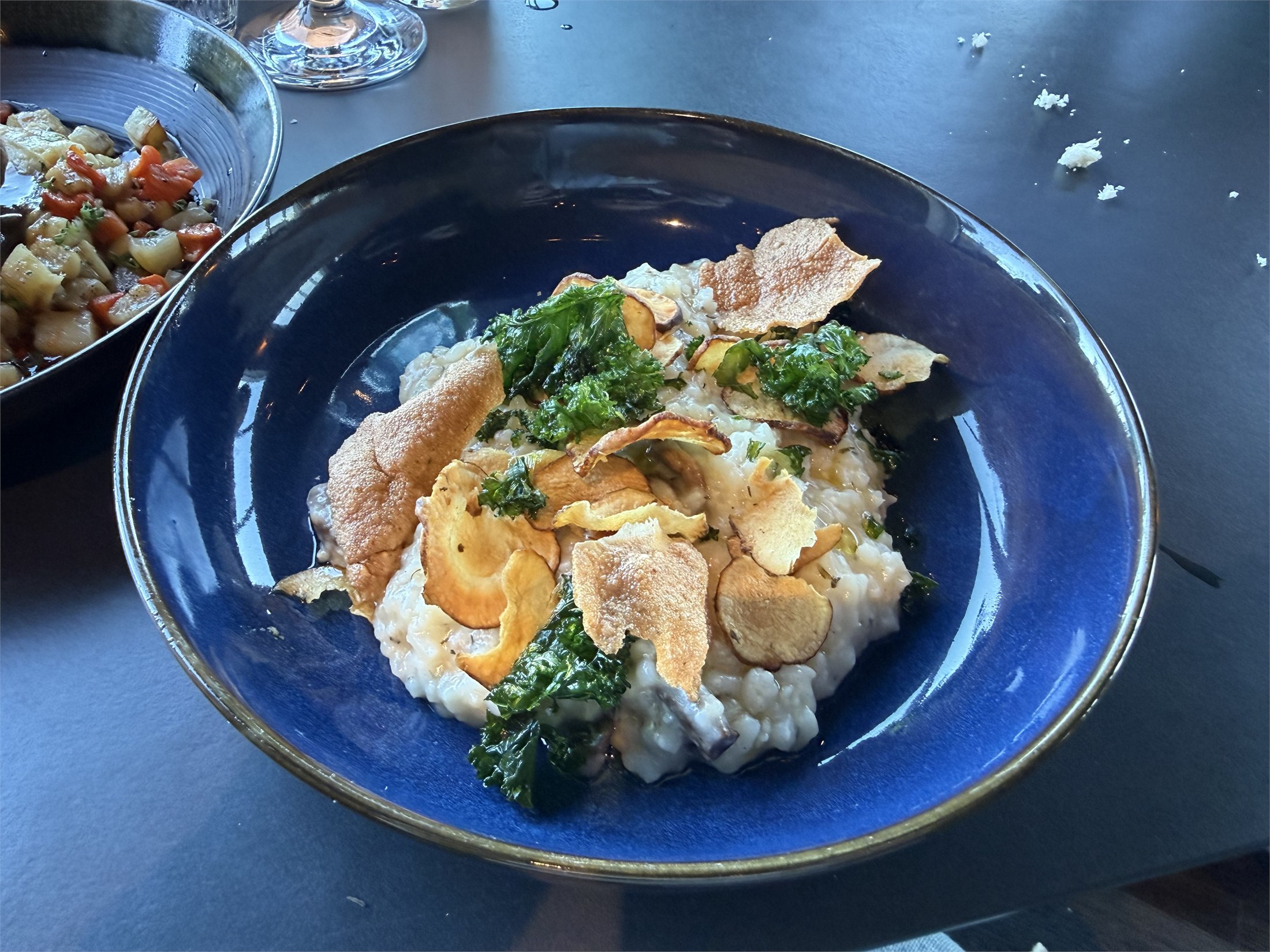
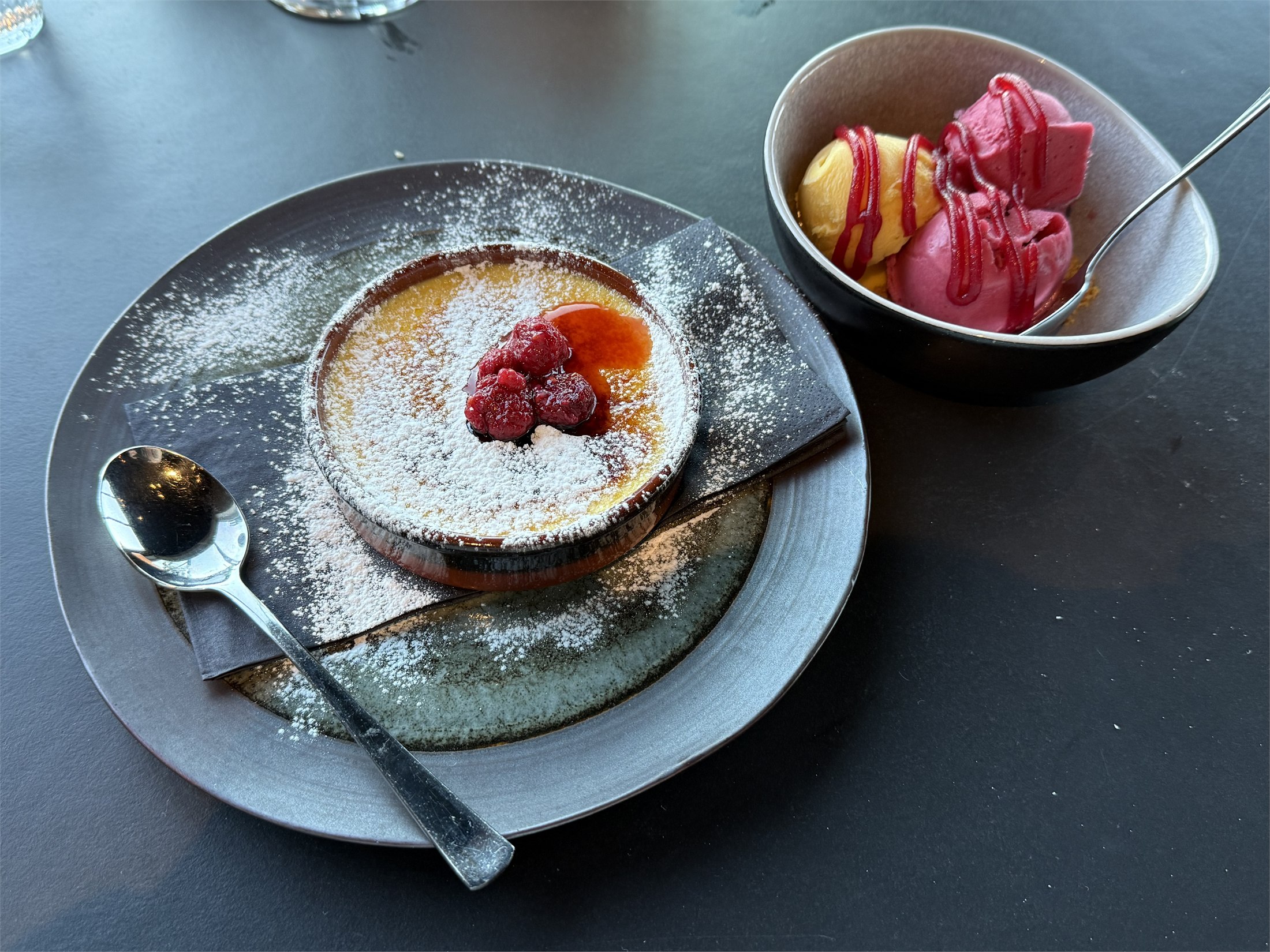
That evening, dinner at Maren Anna was one of the meals we kept talking about. The seafood-forward plates, comforting fish soup, and thoughtful desserts gave the day a beautiful final punctuation mark.
Maren Anna
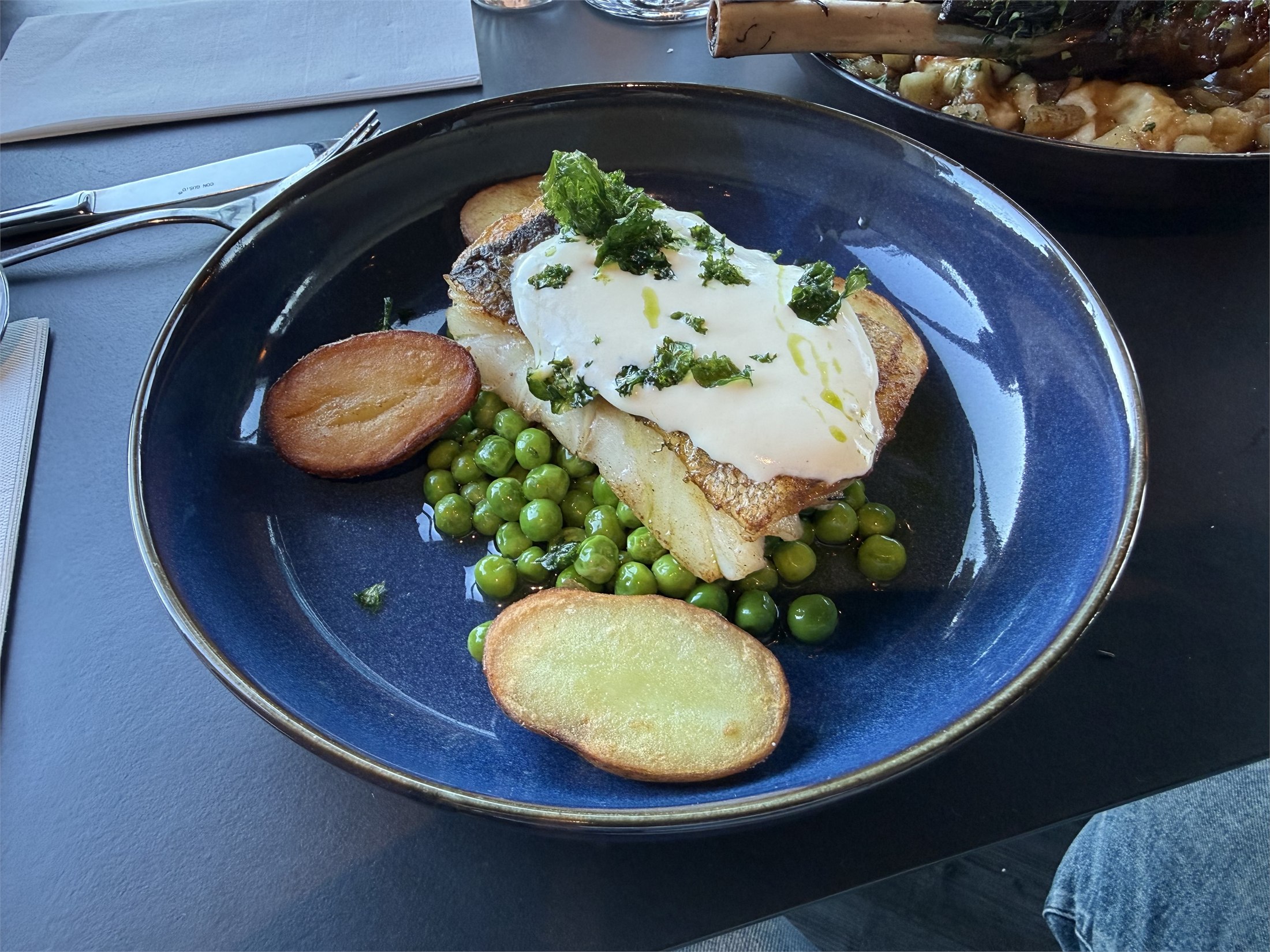
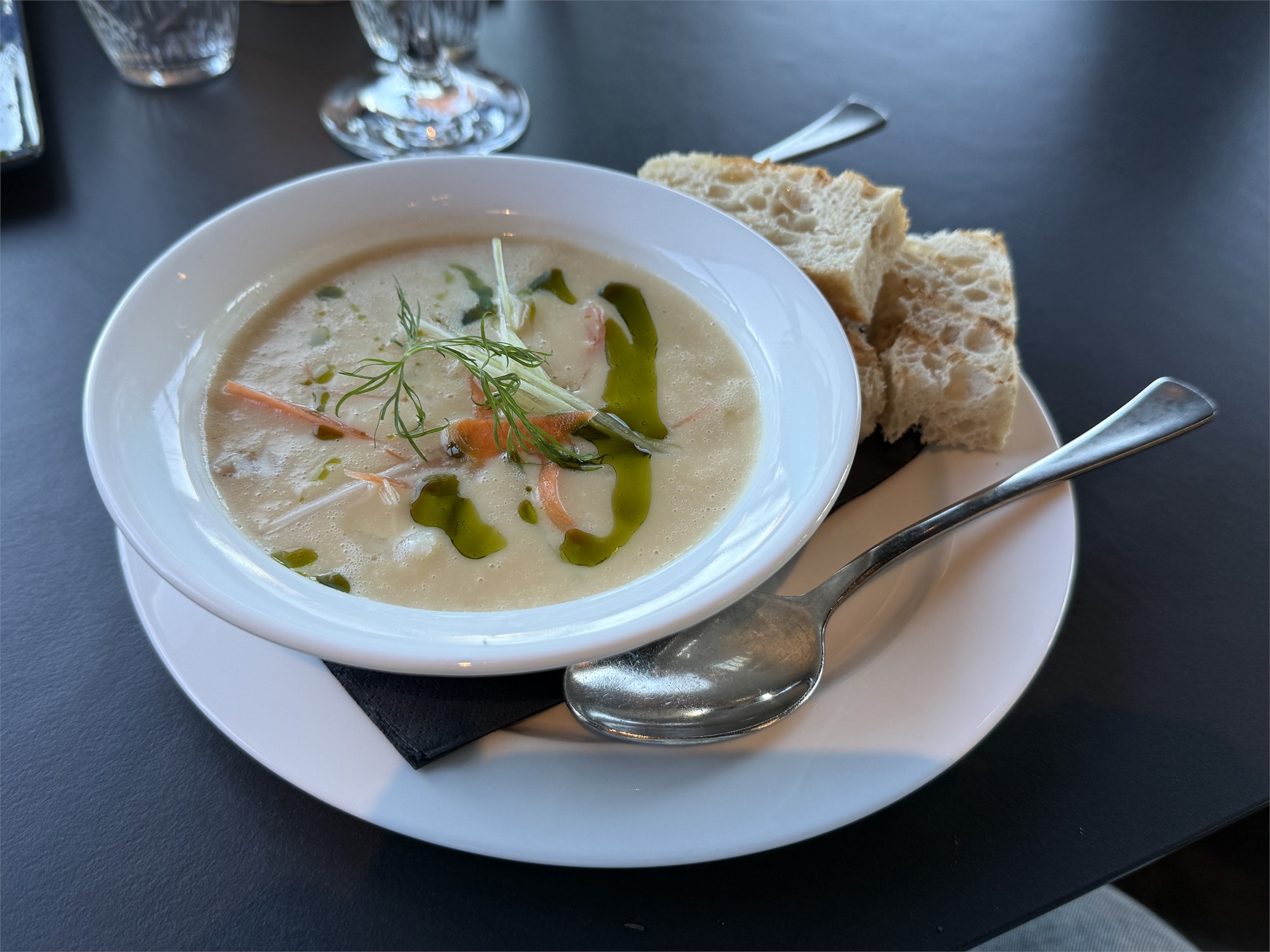
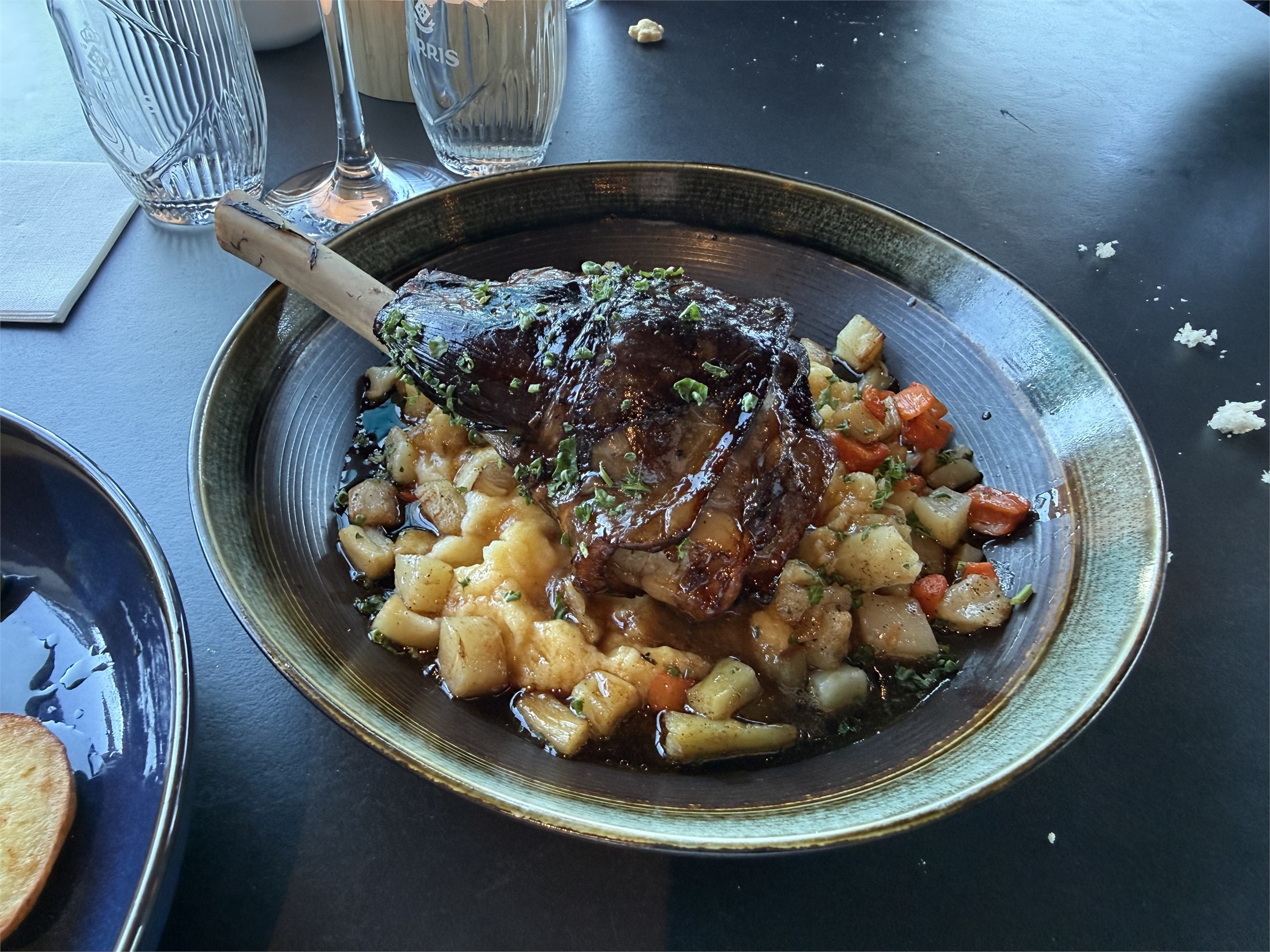
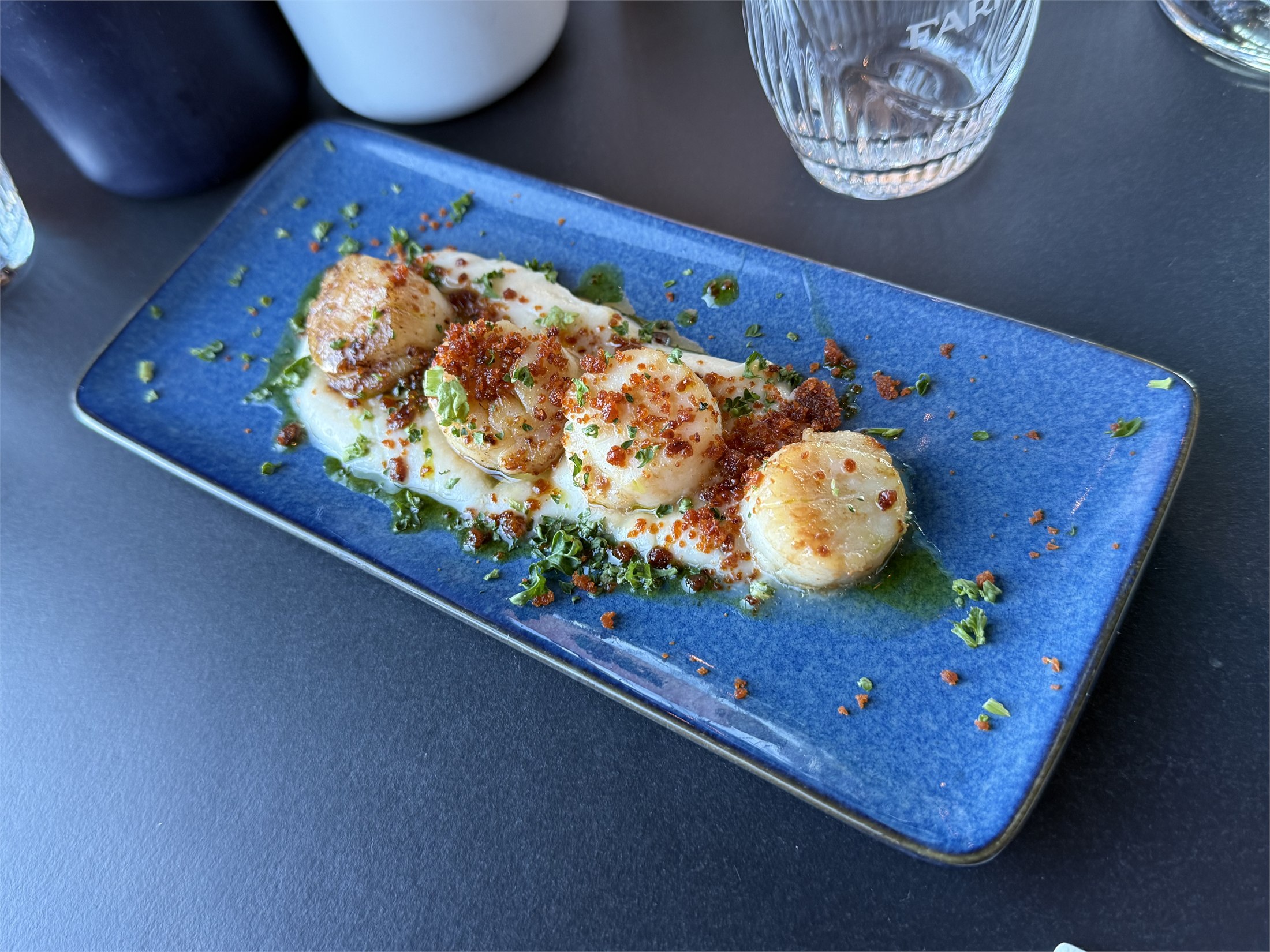
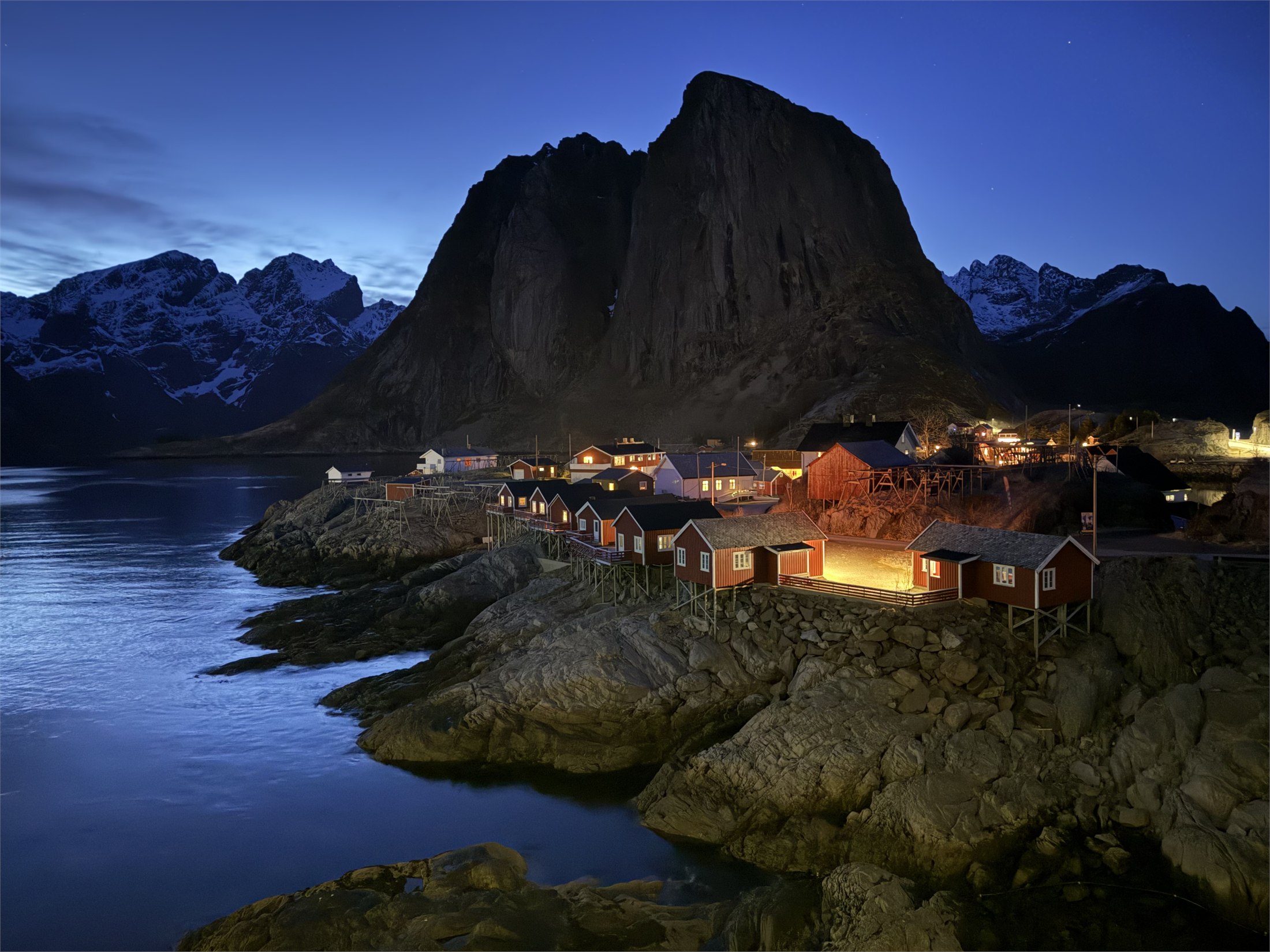
After dinner, we stepped back out into the blue-hour hush around Hamnøy and Sakrisøy. The red and yellow cabins, dark water, and enormous mountains felt completely different after sunset—quiet, dramatic, and even more cinematic than they had been in daylight.
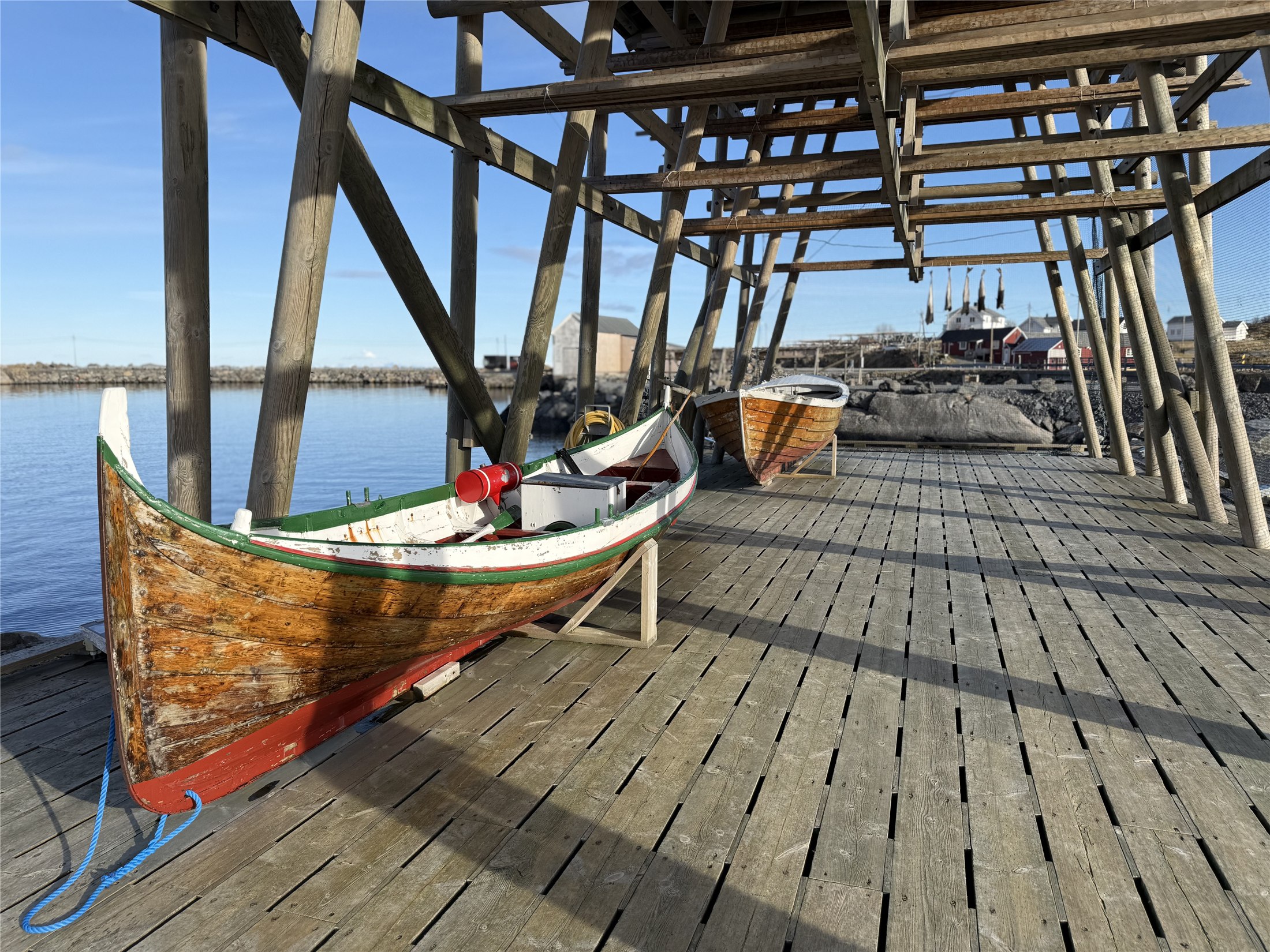
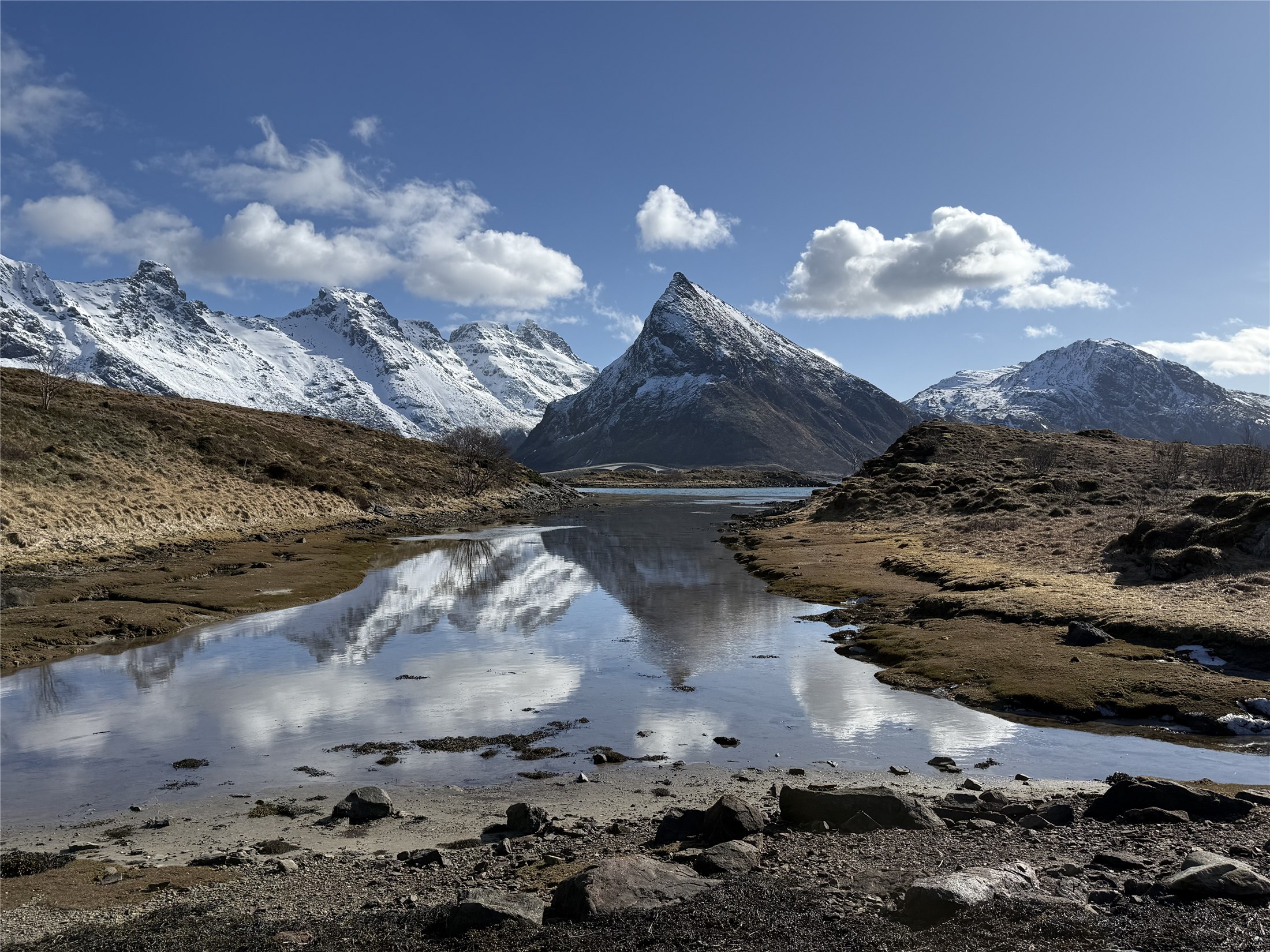
We returned to Anita’s for lunch, then pointed the car north toward Nusfjord. Along the way, Flakstadbruene and Ramberg Beach were worth the slowdowns. Ramberg was particularly memorable for the surreal contrast of pale sand, cold water, and jagged peaks. The drives can feel a touch stressful: much of the road is simply one lane each way, sometimes narrow enough that meeting a large truck calls for a steady hand. But the views are magnificent enough that every careful mile feels worthwhile. Nusfjord added the fishing-village story behind many of the landscapes we had been admiring from the car.
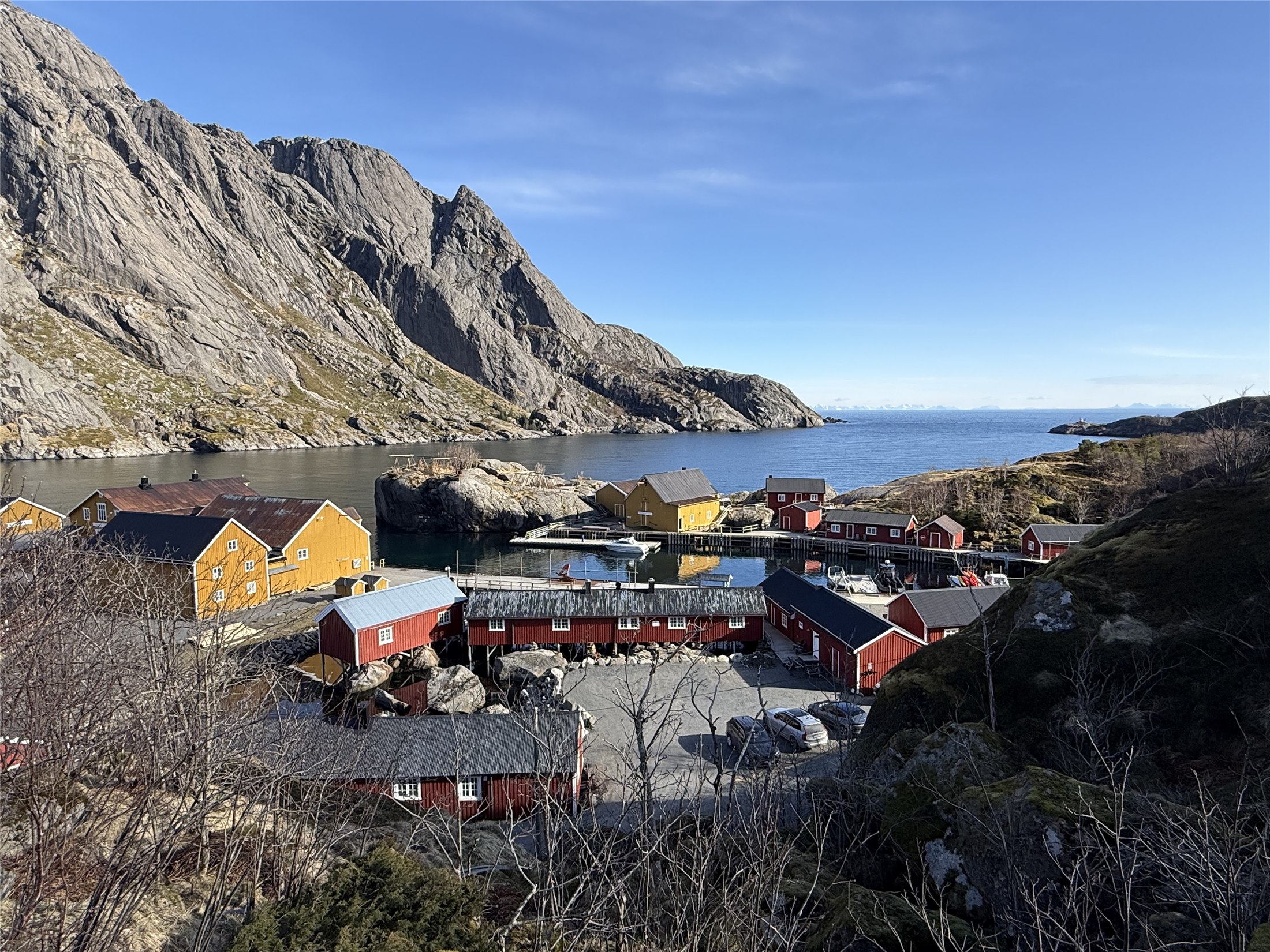
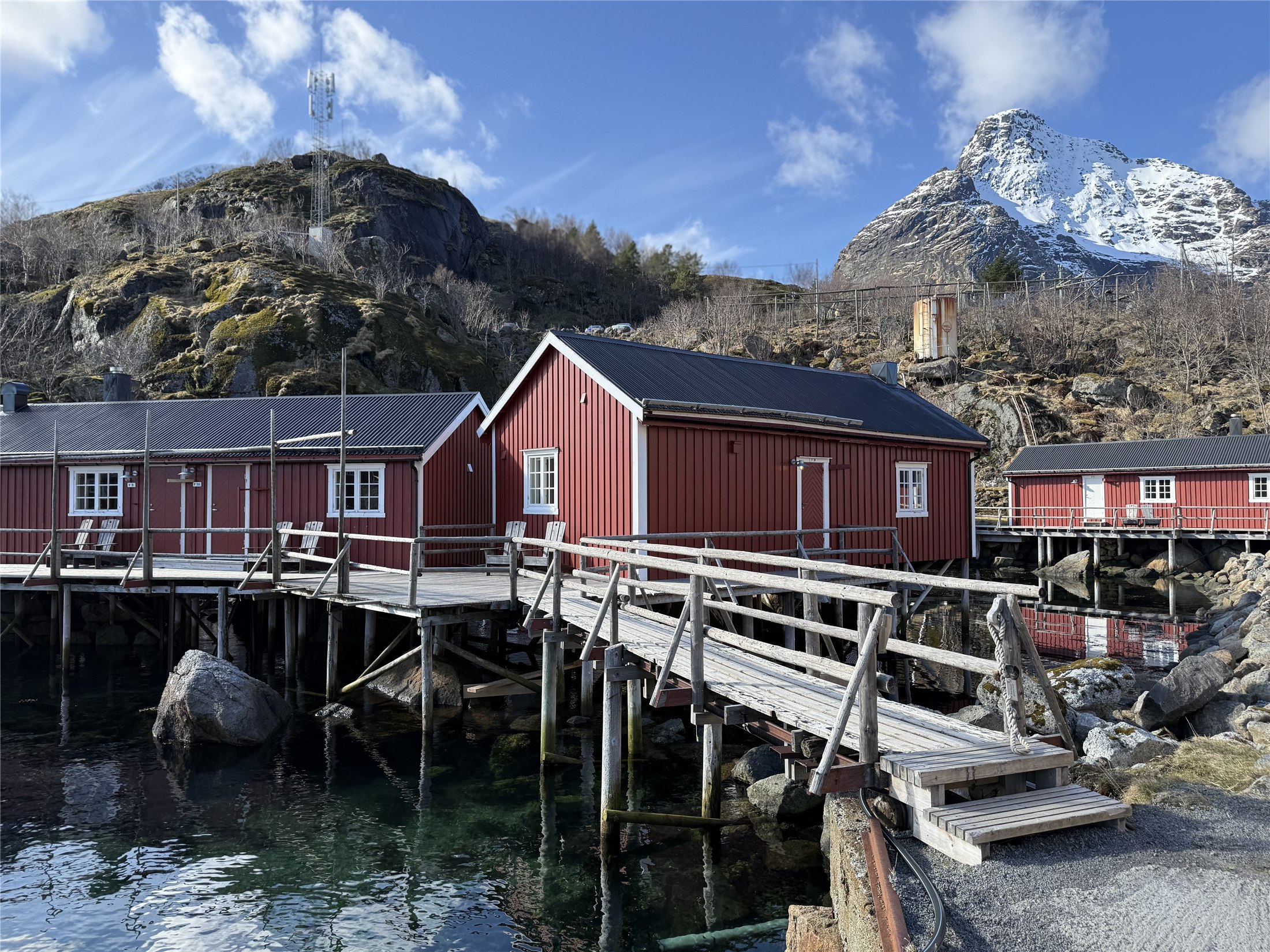
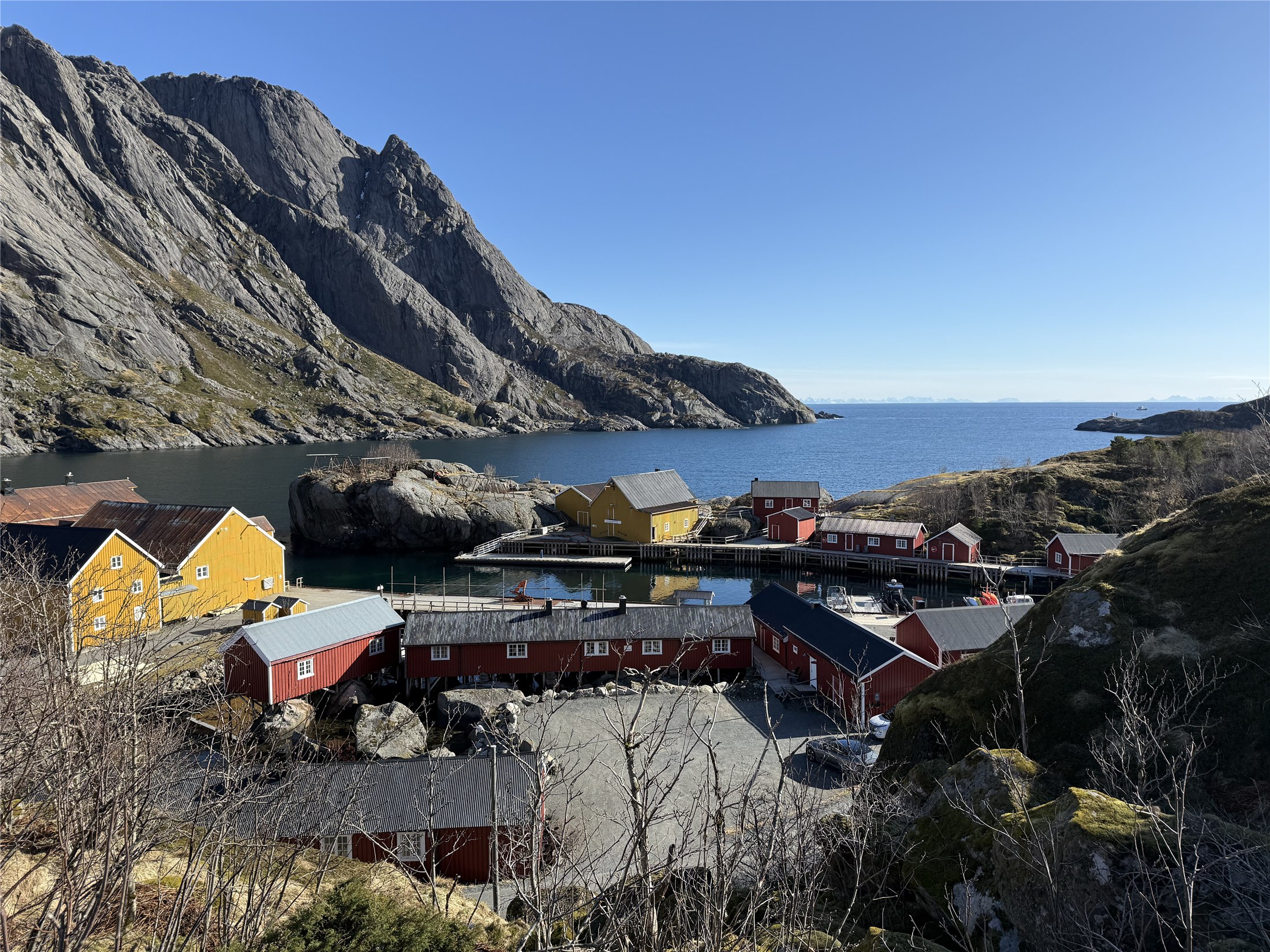
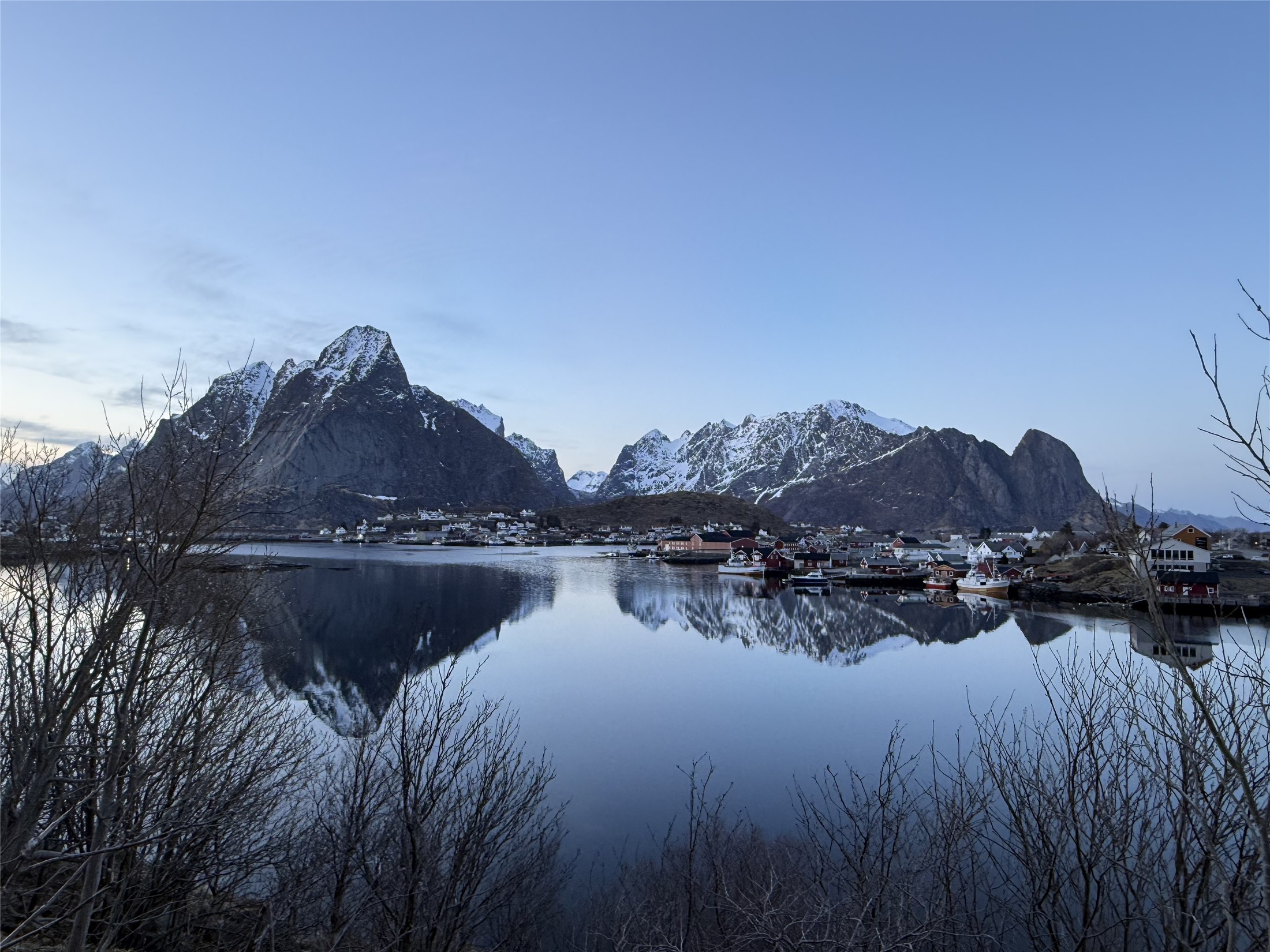
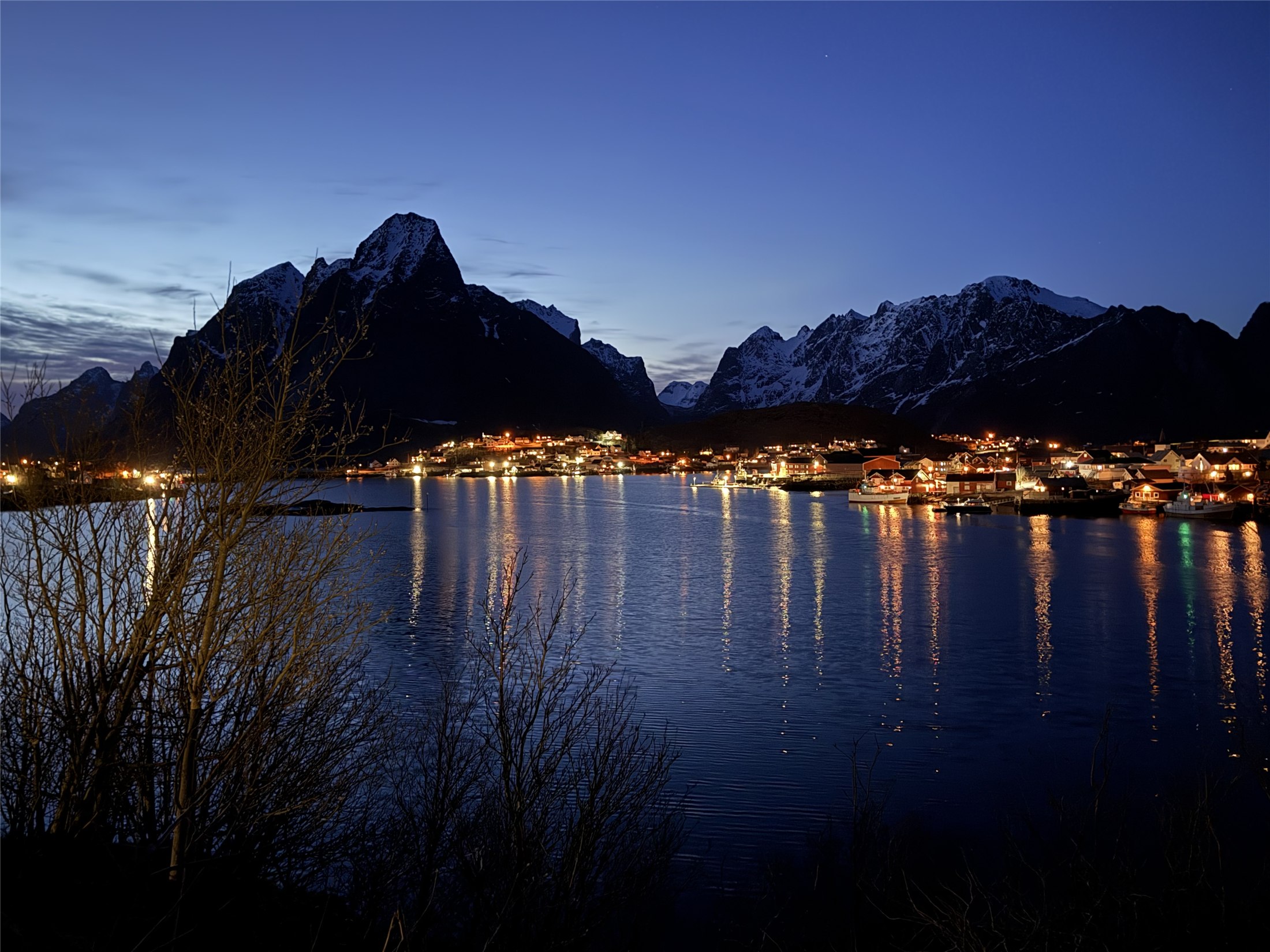
By evening, we were back in Reine and the view had gone quiet in the best way. The harbor held onto the last blue of the sky before the cabin lights took over, turning the village and its mountain backdrop into a scene we were happy to linger with.
Reine
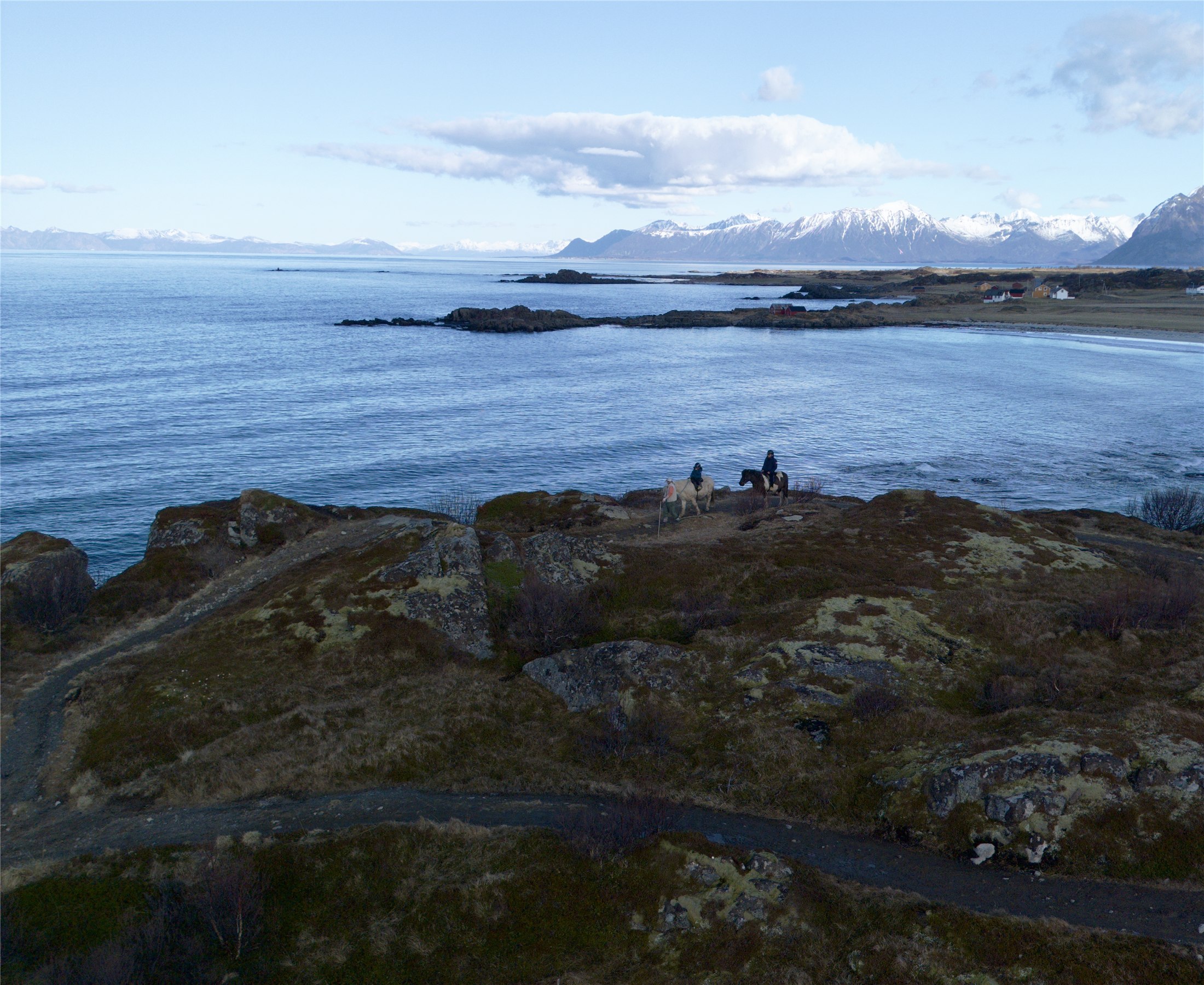
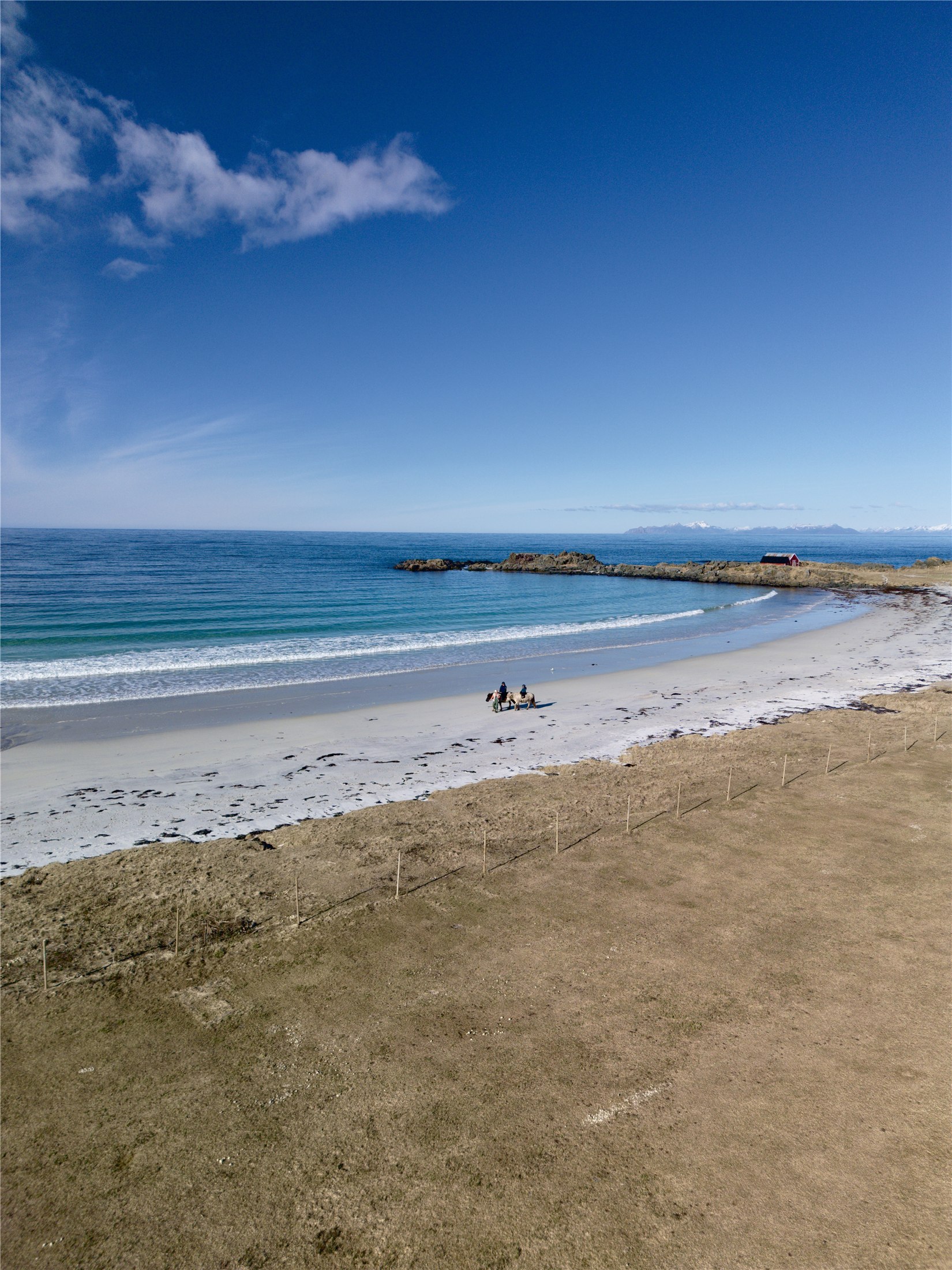
We drove back north, closer to the airport, and moved into Lofoten Apartments in Svolvær for the final nights—another family-friendly apartment stay with a confirmed crib and room to settle after days on the road. On the way, we detoured for horseback riding at Hov Gård. We also hired a drone photographer and came away with some amazing shots, but the peaceful ride itself was the real highlight: the calm horses, mountains, beach, and open nature made it a wonderfully relaxing activity. My son absolutely loved it.
On Day 12, we visited Henningsvær, one of Lofoten’s most iconic little fishing villages, then stayed for a lovely dinner. We wandered around the pier and took in the remarkable football field tucked between the sea and mountains—a place that looked just as striking in person as it does from above. We enjoyed the village once the day had softened into evening. It was an easy, satisfying final chapter before the journey home.
For the journey home, we flew from Svolvær (SVJ) back through Bodø and Oslo before continuing onward. It was a long travel day, but it gave us a final chance to look back at how much Norway had packed into one family trip: a gentle city landing, Arctic skies, reindeer, northern lights, red fishing cabins, windswept beaches, and a child happily talking about his horse. We came home full of stories and awesome memories, already missing the slow drives, wild coastlines, and little moments that made every stop feel like ours. It was the kind of trip we loved from beginning to end—and one we will be smiling about for a very long time.
Recommendation: do not plan every hour. Plan your overnight bases, key meals, and one or two priorities each day. Then leave the rest available for weather, naps, charging the car, and the pullovers you cannot possibly predict.
The atlas is growing
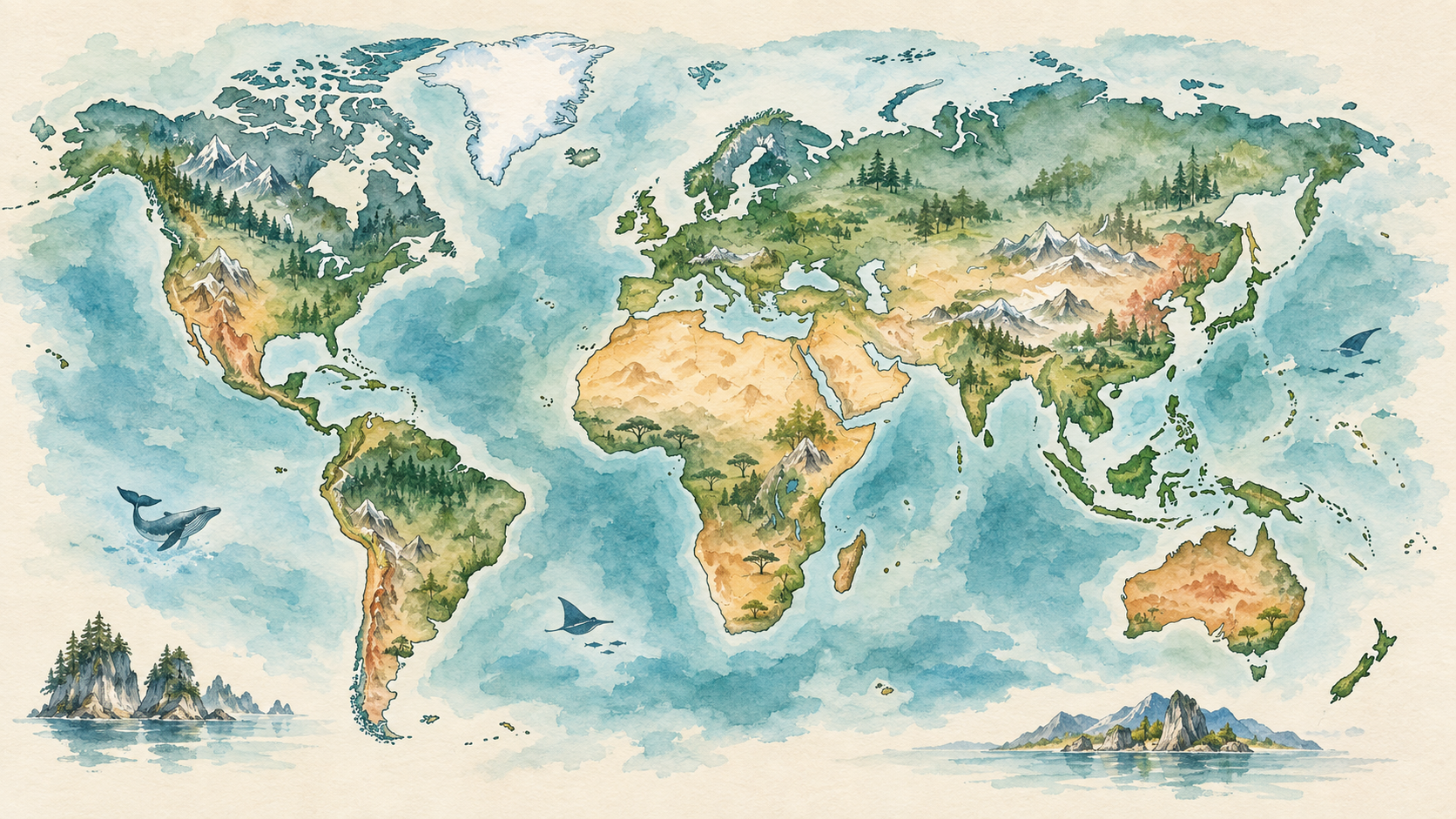
United States, Mexico, Asia, and more of Europe will appear here as new journeys are ready to share.
About
Our Big World Journal is where we share the places that delighted us, the details that made traveling with children easier, and the experiences we would genuinely tell friends to seek out. Every guide begins with a real trip and grows through the stories, photos, food, and small discoveries worth passing on.